Top
NRB’s Loan Restructuring Policy Brings Major Relief to Borrowers, But Offers Limited Gains for Banks
NRB’s Loan Restructuring Policy Brings Major Relief to Borrowers, But Offers Limited Gains for Banks Nepal Rastra Bank’s (NRB) new provision on loan rescheduling and restructuring has emerged as a much-needed lifeline for borrowers affected by recent floods and landslides. However, financial experts observe that the directive does not substantially benefit banks and financial institutions, apart from offering them temporary relief in terms of reduced non-performing loans (NPLs). The move, they argue, is primarily designed to stabilize distressed borrowers rather than improve the balance sheets of banks.
Dipesh Ghimire
3 min read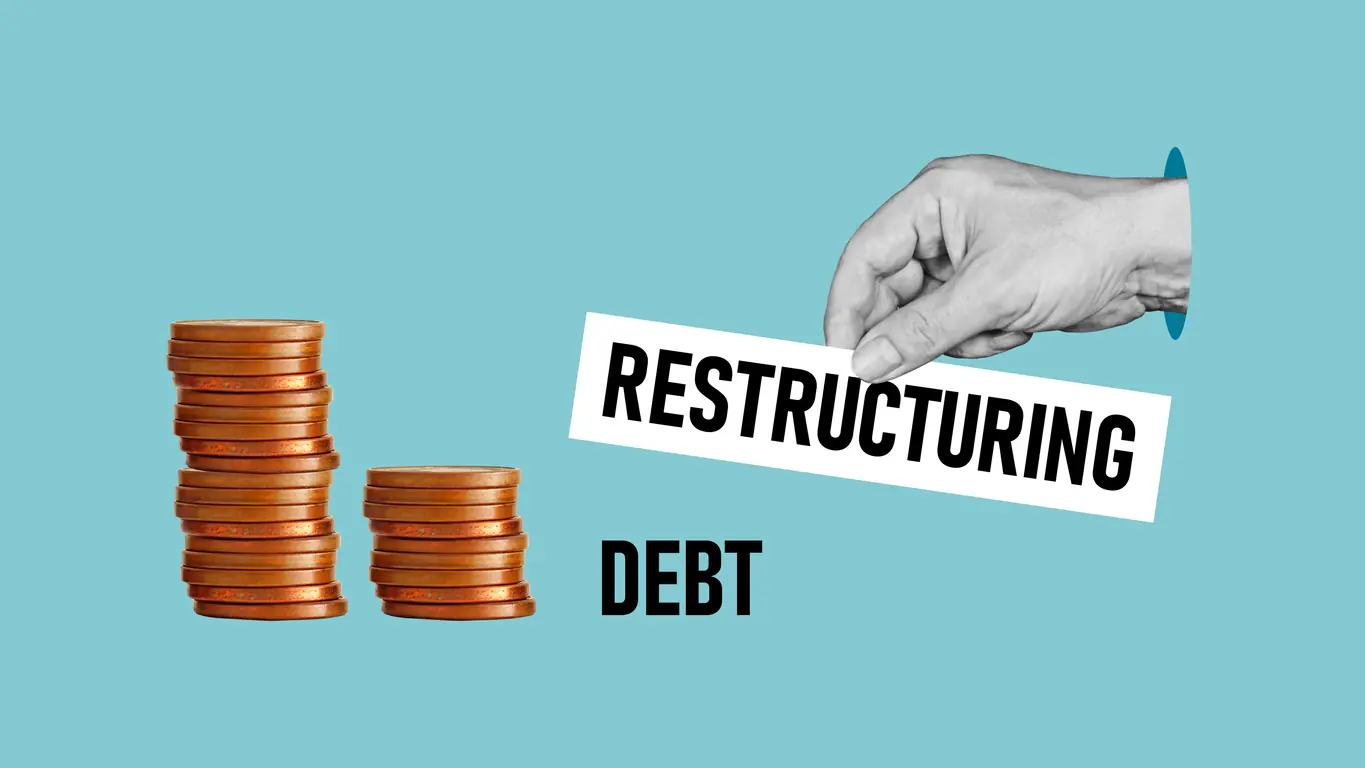
Nepal Rastra Bank’s (NRB) new provision on loan rescheduling and restructuring has emerged as a much-needed lifeline for borrowers affected by recent floods and landslides. However, financial experts observe that the directive does not substantially benefit banks and financial institutions, apart from offering them temporary relief in terms of reduced non-performing loans (NPLs). The move, they argue, is primarily designed to stabilize distressed borrowers rather than improve the balance sheets of banks.
Following the first quarterly review of the Monetary Policy for FY 2082/83, NRB issued an integrated directive that allows the restructuring of loans disbursed to businesses operating in disaster-hit districts such as Ilam. According to the central bank, banks may initiate restructuring upon the borrower’s request after conducting a detailed assessment of the borrower’s cash flow, income, and repayment capacity. The provision mandates borrowers to deposit at least 10 percent of the outstanding interest amount, and the restructuring process must be completed by the end of Chaitra.
Although this policy seeks to cushion the impact of natural calamities on local enterprises, the directive simultaneously imposes conditions that restrict banks from improving their financial positions. The central bank requires that any loan undergoing restructuring or rescheduling must retain its previous risk classification. In practical terms, this means that a loan categorized as “watchlist,” “substandard,” or “doubtful” before restructuring cannot be upgraded during the process. Consequently, banks must maintain the same level of loan-loss provisioning, which significantly limits their ability to reduce provisioning costs and enhance profitability.
Bankers say that this provision eliminates any chance for immediate improvement in their bottom line. Even though restructuring may prevent borrowers from defaulting further, the high provisioning requirement continues to weigh on banks’ earnings. This ultimately reduces the attractiveness of restructuring from the banks’ perspective, as the regulatory burden remains unchanged. As one industry analyst noted, “This is a supportive policy for borrowers, not a relief mechanism for banks.”
Borrowers, on the other hand, are set to gain substantial relief. Under the new directive, borrowers only need to pay 10 percent of the interest due, while the remaining unpaid interest will be capitalized and converted into principal. This approach significantly reduces pressure on immediate cash flows, especially for small and medium-scale enterprises struggling to recover from disaster-induced losses. Businesses with irregular installments or delayed repayment schedules will now be able to renegotiate terms and gradually resume payments in coordination with their banks.
The arrangement also eases repayment flexibility. Borrowers can reduce installment amounts, extend repayment periods, or request revised schedules based on their financial condition. This ensures that businesses receive breathing space to regain stability without facing immediate legal or financial penalties. For many enterprises in affected regions, the new facility could be the difference between temporary hardship and permanent shutdown.
However, when viewed from a macro-economic perspective, the policy's impact is somewhat mixed. While it helps contain the short-term financial distress of borrowers, it does not reduce the systemic risks faced by banks. The high provisioning requirement means banks’ capital buffers remain under pressure, especially if natural disasters continue to affect repayment capacity. Analysts warn that the central bank may need to introduce additional supportive measures if the frequency of restructuring requests increases in coming months.
The directive also reflects NRB’s broader strategy of maintaining credit discipline while providing targeted support. By restricting reclassification benefits, the central bank aims to prevent misuse of restructuring provisions—something that has historically occurred during periods of financial stress. NRB appears determined to ensure that restructuring does not become a loophole for avoiding accurate risk recognition.
In conclusion, the revised restructuring framework reveals a clear policy priority: immediate relief for borrowers, regulatory caution for banks, and a controlled approach to financial stability. While the measure brings significant comfort to borrowers struggling due to natural disasters, it leaves banks still carrying their existing provisioning load. The long-term outcome will depend on how effectively both borrowers and banks navigate this new arrangement in the months ahead.
Advertisement
Written by
Dipesh Ghimire