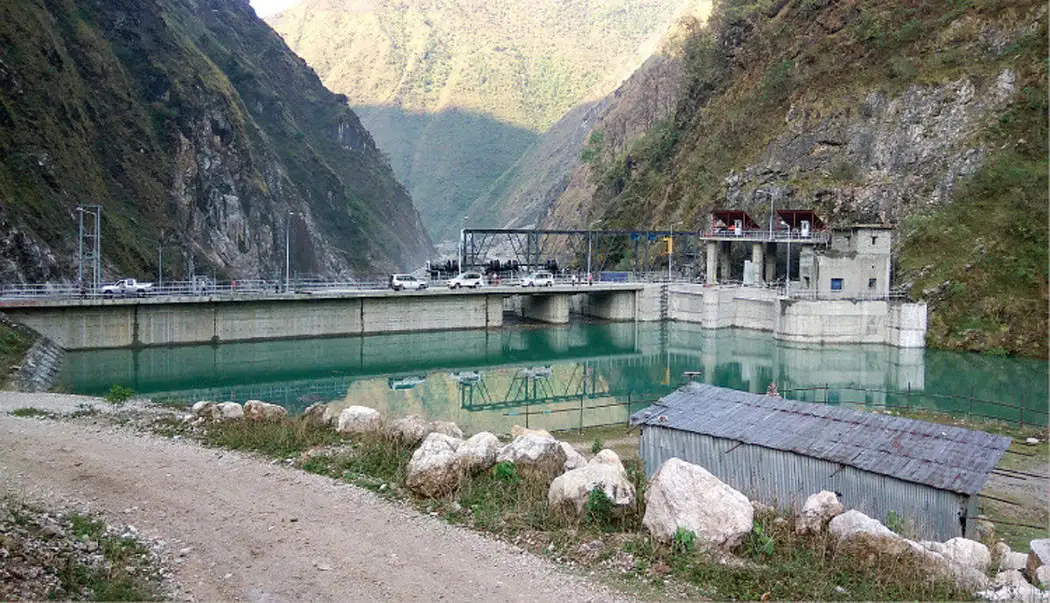
Hydropower Stocks4 min readHydropower Stocks Now Drive Nepal's Capital Market, Commanding 45 Percent of All Trading ActivityNone of this diminishes the genuine achievement that hydropower's capital market journey represents. Private sector energy companies tapping public savings to build national infrastructure is exactly the kind of financial deepening that developing economies need. The challenge now is whether Nepal's regulators and policymakers have the wisdom to encourage diversification of the listed universe before the market's dependence on a single sector creates vulnerabilities that even the most enthusiastic hydropower investor would prefer to avoid.Dipesh Ghimire·16 Jun, 2026
Nepal's Hydropower4 min readNepal's Hydropower IPO Rules: A Web of Overlapping Laws That Companies Must NavigateTaken together, what this legal framework reveals is a system that is simultaneously protective and cumbersome. The multiple layers of approval — from the Electricity Regulatory Commission, through securities regulators, and ultimately to the stock exchange — were each designed with legitimate goals in mind. But the cumulative effect is a process that demands extraordinary patience, documentation, and institutional capacity from hydropower companies. Whether Nepal can streamline this framework without abandoning investor protection will be one of the defining regulatory challenges as the country pushes toward its ambitious electricity generation targets in the years ahead.Dipesh Ghimire·16 Jun, 2026
Nepal's Capital Market3 min readNepal's Capital Market at a Crossroads: Three Decades of Growth, Yet Fundamental Weaknesses PersistThe underlying message running through the commission's findings is difficult to ignore. Nepal's capital market has the potential to become a powerful engine for channeling domestic savings into productive investment, reducing the economy's dependence on bank lending, and giving ordinary citizens a meaningful stake in the country's corporate growth. But that potential is being squandered. Until the government treats regulatory independence, market diversification and investor protection as genuine priorities rather than items on a reform checklist, Nepal's stock market will remain what it largely is today — a speculative arena shaped more by rumor and manipulation than by economic fundamentals.Dipesh Ghimire·16 Jun, 2026
Nepal’s Economy 6 min readTourism Earnings Slip While Education Spending Abroad Climbs: Nepal's Services Account Remains in Deficit at Rs.68 BillionIn-depth analysis of Nepal's services trade and travel account — FY 2082/83, Ten Months (Through Baisakh 2083)Dipesh Ghimire·10 Jun, 2026
Nepal’s Economy 7 min readNepal's Terms of Trade Deteriorate by 16.9 Percent: Import Prices Surge 24 Percent While Export Prices Crawl at 3.1 PercentIn-depth analysis of Nepal's trade structure and export-import price indices — FY 2082/83, Ten Months (Through Baisakh 2083)Dipesh Ghimire·10 Jun, 2026
Nepal’s Economy 6 min readTrade Deficit Crosses Rs.1,443 Billion: Exports Grow But Imports Outpace Them, China-Bound Exports Collapse by 41 PercentIn-depth analysis of Nepal's foreign trade — FY 2082/83, Ten Months (Through Baisakh 2083)Dipesh Ghimire·10 Jun, 2026
Nepal’s Economy 5 min readWholesale Prices Sound the Alarm: Intermediate Goods Surge 15.59 Percent as Nepal's Inflation Outpaces IndiaAn in-depth reading of wholesale price movements and the Nepal-India inflation comparison — FY 2082/83, Baisakh 2083Dipesh Ghimire·10 Jun, 2026
Nepal’s Economy 5 min readPrices Climbing Faster: Nepal's Inflation Crosses Five Percent in Baisakh, Signaling a New Pressure PointDetailed analysis of consumer and wholesale price movements — FY 2082/83, Ten-Month ReviewDipesh Ghimire·10 Jun, 2026
Nepal's Economy 5 min readNepal's Economy Shows Resilience: Foreign Reserves Surge, Remittances Soar in FY 2082/83Based on ten-month data (through Baisakh 2083) released by Nepal Rastra BankDipesh Ghimire·10 Jun, 2026
EV4 min readNepal Needs 10,000 EV Chargers by 2030 — a Tenfold Leap That Will Decide Its Hydropower BetThe opportunities the study sets out are genuine — lower operating costs and job creation, cleaner air, modernized public transport and fewer road accidents, more efficient urban mobility and added appeal for tourists. But each of them is contingent on closing the same gaps: the chargers, the standards, the financing and the skills. Whether Nepal can turn 1,000 stations into 10,000 is, in the end, the test that will decide whether the rest of the promise is realized.Dipesh Ghimire·8 Jun, 2026