IMF3 min readSovereign Debt Crisis Looms as Global Borrowing Nears 100 Percent of GDP, IMF WarnsHowever, Georgieva made it clear that this localized tech-driven growth cannot mask systemic structural flaws. To stabilize the global economy, the IMF chief outlined a macro-rebalancing strategy: China must stimulate its domestic consumption, the United States must increase its savings rate to cool its debt dependency, and Europe must aggressively expand capital investment. Ultimately, the IMF’s message is unequivocal—controlling debt is no longer just an accounting exercise; it is an urgent strategic imperative necessary to ensure governments can survive the next inevitable global crisis.Dipesh Ghimire·15 Oct, 2026
Nepal’s Economy 2 min readCredit Flows Surge as Interest Rates Tumble, But Productive Sectors Left WantingUltimately, the data underscores a critical narrative for policymakers: while lowering interest rates successfully triggers credit growth, the headline numbers mask the ground reality. Without targeted policy interventions and strict regulatory oversight, the banking sector's capital naturally flows toward quick-turnover trade and consumption, rather than the sustainable, employment-generating industries the Nepali economy desperately needs.Dipesh Ghimire·15 Oct, 2026
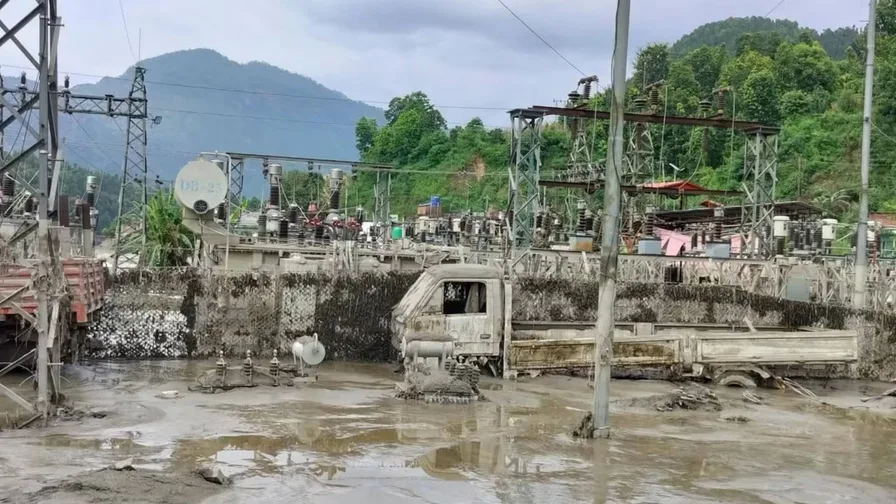
Floods2 min readGovt Proposes Rs 559 Billion Mega-Reconstruction Masterplan Following Devastating Monsoonal FloodsRecognizing the dangerous failure of communication channels during the disaster, the Ministry of Information and Communication has proposed over Rs 870 million to establish resilient mobile BTS towers, satellite backup systems, and internet continuity plans. Furthermore, security apparatuses—the primary first responders during such calamities—are seeking capacity upgrades. The Armed Police Force (APF) has requested over Rs 1.64 billion, heavily focused on procuring specialized search and rescue equipment for future preparedness, while Nepal Police requires Rs 18.2 million for immediate physical infrastructure repairs.Dipesh Ghimire·15 Oct, 2026
NEPSE2 min readMargin Lending Surges Past Rs 167 Billion, But NEPSE Fails to Reflect the Credit BoomFurthermore, this trend highlights the heavy capitalization of the market. The continuous influx of new share supply—driven by a relentless stream of IPOs, right shares, and bonus distributions—has heavily diluted the impact of the newly injected cash. Ultimately, the data suggests that while the financial fuel required for a market rally is already circulating in the system, the sheer volume of share supply is currently absorbing the Rs 167 billion credit shock, keeping the NEPSE index subdued for the time being.Dipesh Ghimire·15 Oct, 2026
SEBON2 min readIPO Pipeline Swells to Rs 71.42 Billion as Manufacturing Sector Leads Capital MobilizationWhile the sheer volume of a Rs 71.42 billion pipeline highlights strong corporate appetite for equity financing, it does not imply an immediate liquidity drain on the financial system. An application at SEBON is merely the first step in a stringent regulatory funnel. The board conducts rigorous evaluations of each company's financial disclosures, credit ratings, corporate governance, and statutory compliance before granting the final issuance permit. Consequently, this massive capital demand will not flood the market simultaneously but will be systematically staggered over several months or years. Ultimately, the growing presence of manufacturing and hospitality firms in the IPO pipeline is a highly positive indicator for the Nepal Stock Exchange (NEPSE), promising a more diversified and resilient secondary market that accurately reflects the broader national economy.Dipesh Ghimire·14 Oct, 2026
Bindhyabasini Hydropower De2 min readBindhyabasini Hydropower Calls 10th AGM for Kartik 18; Proposes 5% Bonus and 1:1 Right SharesThe secondary agendas—specifically the proposal to issue debentures convertible into ordinary shares and the formal ratification of previous debt and corporate guarantees—indicate that the company is actively rebalancing its capital structure. For capital-intensive hydropower developers, transitioning from high-interest bank debt to equity-based or convertible debt financing lowers debt-servicing burdens, improves the debt-to-equity ratio, and enhances long-term solvency. This capital injection will bolster the company's balance sheet, providing financial flexibility to manage ongoing operations or finance potential capacity expansion.Dipesh Ghimire·14 Oct, 2026
Peoples Energy2 min readPeoples Energy Proposes 20% IPO and Capital Expansion; Calls 10th AGMThe specific AGM agenda seeking to ratify past loans, corporate guarantees, and investment decisions strongly indicates that the company has relied on substantial bank financing to bankroll its large-scale infrastructure developments. The injection of fresh equity through the IPO will serve a critical dual purpose: it will help alleviate the severe burden of high-interest bank debt and fortify the company’s balance sheet. A healthier debt-to-equity ratio will make it much easier for the company to mobilize future funding. Ultimately, this public transition is expected to enforce stricter corporate transparency, strengthen institutional governance, and offer the general public a fresh, viable avenue for investment in the country's vital energy infrastructure.Dipesh Ghimire·14 Oct, 2026
Top2 min readCentral Bank Mandates 24/7 Rapid Response Officers to Thwart Festive Cyber ScamsBy mandating a 24-hour operational bridge between banks and the Nepal Police, the NRB is actively neutralizing the scammers' biggest advantage: time. During the festive season, the volume of digital transactions, online shopping, and mobile money transfers surges exponentially, naturally increasing the attack surface for financial fraud. This new directive ensures that the financial system's defense mechanisms do not go on vacation, thereby providing a much-needed safety net for digital consumers and significantly boosting the efficacy of cybercrime investigations.Dipesh Ghimire·14 Oct, 2026
Finance Companies2 min readBanking Sector NPL Hits 5.66 Percent; Finance Companies Grapple with Alarming Default RatesThe central bank's data paints a complex picture of a financial sector flush with investable funds but hampered by latent credit risks. The dual narrative of aggressively expanding loan portfolios alongside rising default rates—particularly the near double-digit NPLs in finance companies—points toward systemic frailties in credit appraisal and recovery mechanisms. While the overall capital adequacy ratio remains relatively secure at 12.64 percent, the rising tide of bad loans means banks must divert a larger chunk of their operating profits toward loan loss provisions. If domestic economic activities and business cash flows do not accelerate adequately to support loan repayments, these historically bad loans will remain a dead weight, inevitably eroding the banking sector's profitability and dividend distribution capacity in the upcoming quarters.Dipesh Ghimire·14 Oct, 2026
IMF2 min readIMF Forecasts Sub-4% Growth for Nepal Through 2027 Amid Inflationary Volatility and Global SlowdownThe IMF’s insight regarding AI-driven economic resilience presents a strategic warning for developing nations like Nepal. While advanced markets are leveraging digital infrastructure and automation to boost productivity despite geopolitical headwinds, economies with lower digital penetration risk falling further behind in total factor productivity. For Nepal, buffering against this global slowdown will require disciplined monetary policies from the central bank, accelerated capital spending on essential domestic infrastructure, and targeted support for high-potential export sectors.Dipesh Ghimire·14 Oct, 2026