Top
Surge in QR Code Payment Frauds: Nepal Rastra Bank Issues Warning
Surge in QR Code Payment Frauds: Nepal Rastra Bank Issues Warning With the rapid increase in the use of electronic payments in Nepal, there has been a noticeable rise in fraudulent activities involving QR code payments. In response to this growing concern, Nepal Rastra Bank (NRB) has issued a directive urging service and goods providers to exercise caution when accepting QR code payments. The central bank's warning comes as part of its ongoing efforts to protect both businesses and consumers from financial fraud in the digital payment sector.
Dipesh Ghimire
2 min read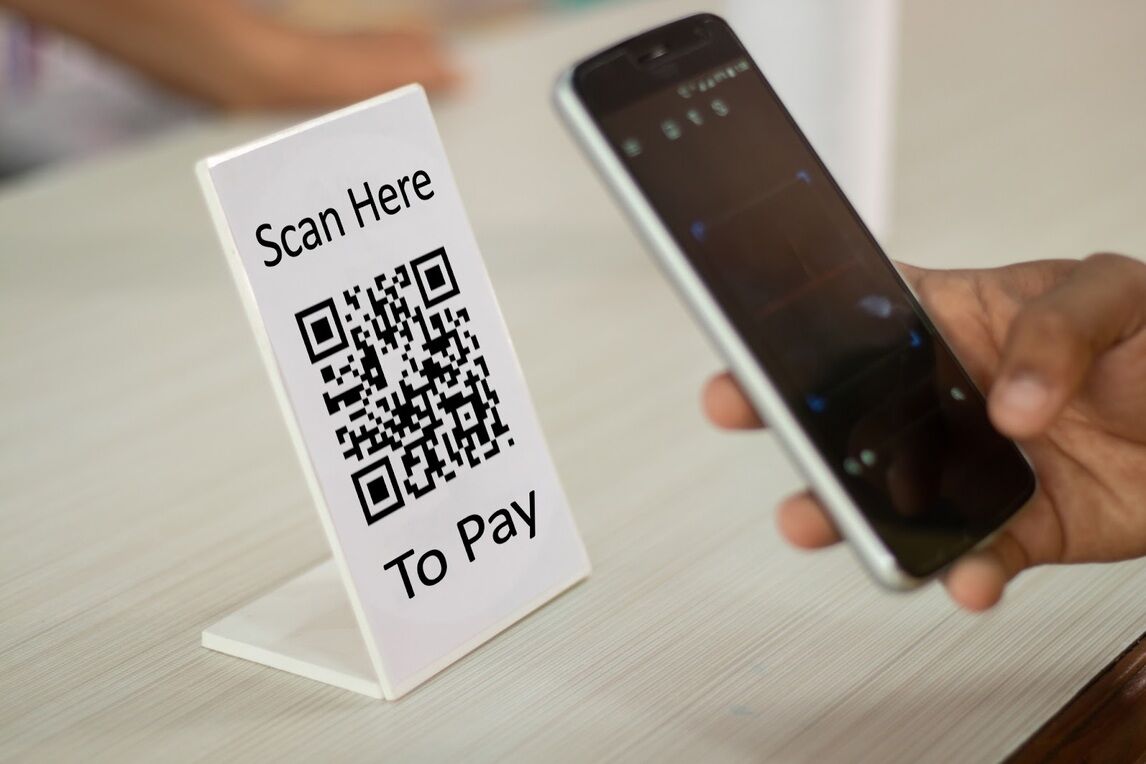
With the rapid increase in the use of electronic payments in Nepal, there has been a noticeable rise in fraudulent activities involving QR code payments. In response to this growing concern, Nepal Rastra Bank (NRB) has issued a directive urging service and goods providers to exercise caution when accepting QR code payments. The central bank's warning comes as part of its ongoing efforts to protect both businesses and consumers from financial fraud in the digital payment sector.
Rising Threat of QR Code Payment Frauds
QR code-based payments have become a popular method of transaction in Nepal, allowing for quicker and more convenient financial exchanges. However, this convenience has also given rise to fraudulent schemes. According to the Financial Inclusion and Customer Protection Division of NRB, the risk of fraud is heightened when sellers rely solely on payment screenshots provided by customers.
The issue lies in the fact that a screenshot of a payment receipt can easily be manipulated or outdated, leading sellers to believe they have received payment when, in fact, the transaction has not been processed. NRB has stressed that these screenshots, which may show old or fake receipts, should not be trusted as evidence of a completed transaction.
NRB's Advisory to Vendors: Confirm Payments Through Official Channels
In light of the growing risk of fraud, NRB has emphasized the importance of verifying payments through official channels. The central bank has made it mandatory for service providers to confirm whether the payment has been successfully deposited into their account before proceeding with any transaction. Vendors are advised to check their mobile banking apps, receive SMS alerts, or use official bank notifications to confirm that the payment has been received.
Failure to verify payments can result in significant financial losses. NRB has highlighted that businesses that do not adopt these precautions could face large-scale economic damage if they fall victim to fraudulent transactions.
Enhancing Consumer Protection in Digital Transactions
The rise of digital payments in Nepal has highlighted the need for robust consumer protection measures. While QR code payments offer great convenience, the associated risks must not be overlooked. NRB's efforts to raise awareness among vendors and service providers about the importance of verifying payments reflect its commitment to maintaining the integrity of digital financial transactions.
As the use of mobile and digital payments grows, NRB's advisory is a timely reminder of the need for vigilance in financial dealings. It is crucial that businesses stay updated on best practices for securing payments and protecting themselves against fraud.
The rapid adoption of QR code payments has undoubtedly improved financial access in Nepal, but it has also introduced new risks. NRB’s directive serves as an important reminder for businesses to remain cautious and adopt secure payment verification processes. By ensuring that payments are confirmed through official banking channels, vendors can avoid the financial consequences of falling prey to fraud. This move is essential for maintaining the trust and security of both service providers and consumers in Nepal’s evolving digital economy.
Advertisement
Written by
Dipesh Ghimire