
नेपालको पुँजी बजार : तीन दशकको यात्रा, अझै अधुरो सुधारNepal's Capital Market at a Crossroads: Three Decades of Growth, Reforms Still Unfinished
काठमाडौं — नेपालको पुँजी बजारले तीन दशकभन्दा बढी समयको यात्रा तय गरिसकेको छ। सन् १९९० को दशकमा सेयर बजारको रूपमा औपचारिक सुरुवात भएदेखि आजसम्म यो बजारले उल्लेखनीय विस्तार त गरेको छ — तर विशेषज्ञहरूका अनुसार यो विकास अझै अधुरो छ र संरचनागत कमजोरीहरू ज्यूँकै छन्।
२०५१ सालमा नेपाल स्टक एक्सचेन्जमा जम्मा ६६ वटा कम्पनी सूचीकृत थिए र बजार पुँजीकरण करिब रु. १४ अर्ब मात्र थियो, जुन कुल गार्हस्थ्य उत्पादनको ७ प्रतिशत हाराहारी थियो। त्यतिखेर नेप्से सूचकाङ्क २२६ बिन्दुमा थियो। तीन दशकपछि २०८२ चैतमा आइपुग्दा सूचीकृत कम्पनीको संख्या साढे चार गुणाले बढेर २९४ पुगेको छ। बजार पुँजीकरण ३४५ गुणा फड्को मारेर रु. ४८ खर्ब ३३ अर्ब पुगेको छ — जुन अहिले कुल गार्हस्थ्य उत्पादनको ७३ प्रतिशत हो। संख्यामा यो वृद्धि प्रभावशाली देखिन्छ, तर विशेषज्ञहरू यो तस्बिरको अर्को पाटोतर्फ ध्यान दिलाउँछन्।
सूचीकृत कम्पनीहरूमध्ये ४५ प्रतिशत बैंक तथा वित्तीय संस्थाहरू र ३५ प्रतिशत अर्थात् १०३ वटा जलविद्युत कम्पनीहरू छन्। यसले बजारमा विविधताको गम्भीर अभाव रहेको देखाउँछ। प्रविधि, उत्पादन र सेवा क्षेत्रका कम्पनीहरूको उपस्थिति अत्यन्त न्यून छ। बजारमा सूचीकृत कम्पनीहरू प्रायः एउटै दिशामा उठ्ने र झर्ने प्रवृत्ति रहेकाले लगानीकर्ताले जोखिम विविधीकरण गर्न पाउँदैनन् — र यही एकरूपताले सर्वसाधारण लगानीकर्तालाई सबैभन्दा बढी जोखिममा राख्छ।
उच्च स्तरीय आर्थिक सुधार सुझाव आयोग २०८१ ले औँल्याएका कमजोरीहरू अझै सान्दर्भिक छन्। पुँजी बजारमा सेयर जारी हुने गरेको छ तर ऋणपत्र (बन्ड) बजार खासै विकसित छैन। बैंक तथा वित्तीय संस्थाबाहेक अन्य सूचीकृत कम्पनीहरूले ऋणपत्र जारी गरेको पाइँदैन। सरकारी ऋणपत्रको समेत दोस्रो बजारमा खरिद–बिक्री हुन सकेको छैन। डेरिभेटिभ बजार र वस्तु विनिमय बजार सुरु हुन सकेको छैन। विदेशी लगानीकर्तालाई अझै लगानीको अनुमति छैन — केवल नेपाली नागरिक र सीमित मात्रामा गैरआवासीय नेपालीहरूले मात्र कारोबार गर्न पाउँछन्।
नियामक स्वतन्त्रताको अभाव पनि उत्तिकै गम्भीर समस्या हो। धितोपत्र बोर्ड र नेपाल स्टक एक्सचेन्ज दुवैमा अर्थ मन्त्रालयको हस्तक्षेप अत्यधिक छ। यसले गर्दा समयमा आवश्यक निर्णय लिन र संस्थागत क्षमता विकास गर्न कठिन भएको छ। थप चिन्ताको विषय के छ भने — कम चुक्ता पुँजी भएका कम्पनीका सेयरमा मूल्य उतारचढाव ल्याउने, भित्री र चक्रीय कारोबार गर्ने प्रवृत्ति रहेको छ। यसले सीमित व्यक्तिहरूलाई मात्र फाइदा पुर्याउँछ र सर्वसाधारण लगानीकर्ता घाटामा पर्छन्।
यी समस्याको समाधानका लागि आयोगले ठोस सुझावहरू अगाडि सारेको छ। सरकारी ऋणपत्रको दोस्रो बजार कारोबार सुरु गर्ने, गैरआवासीय नेपालीलाई व्यक्तिगत रूपमा कारोबार गर्न दिने, धितोपत्र बोर्डको संरचना परिमार्जन गरी स्वायत्तता दिने, जलविद्युत कम्पनीले उत्पादन सुरु गरेपछि मात्र प्राथमिक निष्काशन गर्न पाउने व्यवस्था गर्ने र ठूलो कारोबारमा लाग्ने शुल्क घटाउने — यी सबै सुझाव कार्यान्वयनको पर्खाइमा छन्।
विशेषज्ञहरू स्पष्ट छन् — नेपालको सेयर बजारले अर्थतन्त्रको वास्तविक क्षेत्रलाई अझै प्रतिबिम्बित गर्न सकेको छैन। इक्विटी क्राउडफन्डिङ, डेरिभेटिभ बजार र वस्तु विनिमय बजारजस्ता नयाँ उपकरणहरू थप्दै, वित्तीय साक्षरता बढाउँदै र नियामक संस्थाहरूलाई साँच्चिकै स्वायत्त बनाइएमा मात्र पुँजी बजारले नेपालको आर्थिक वृद्धिमा अपेक्षित योगदान दिन सक्नेछ। सुधारको यो एजेन्डा अब कागजमा मात्र सीमित रहनु हुँदैन — कार्यान्वयनको समय आइसकेको छ।
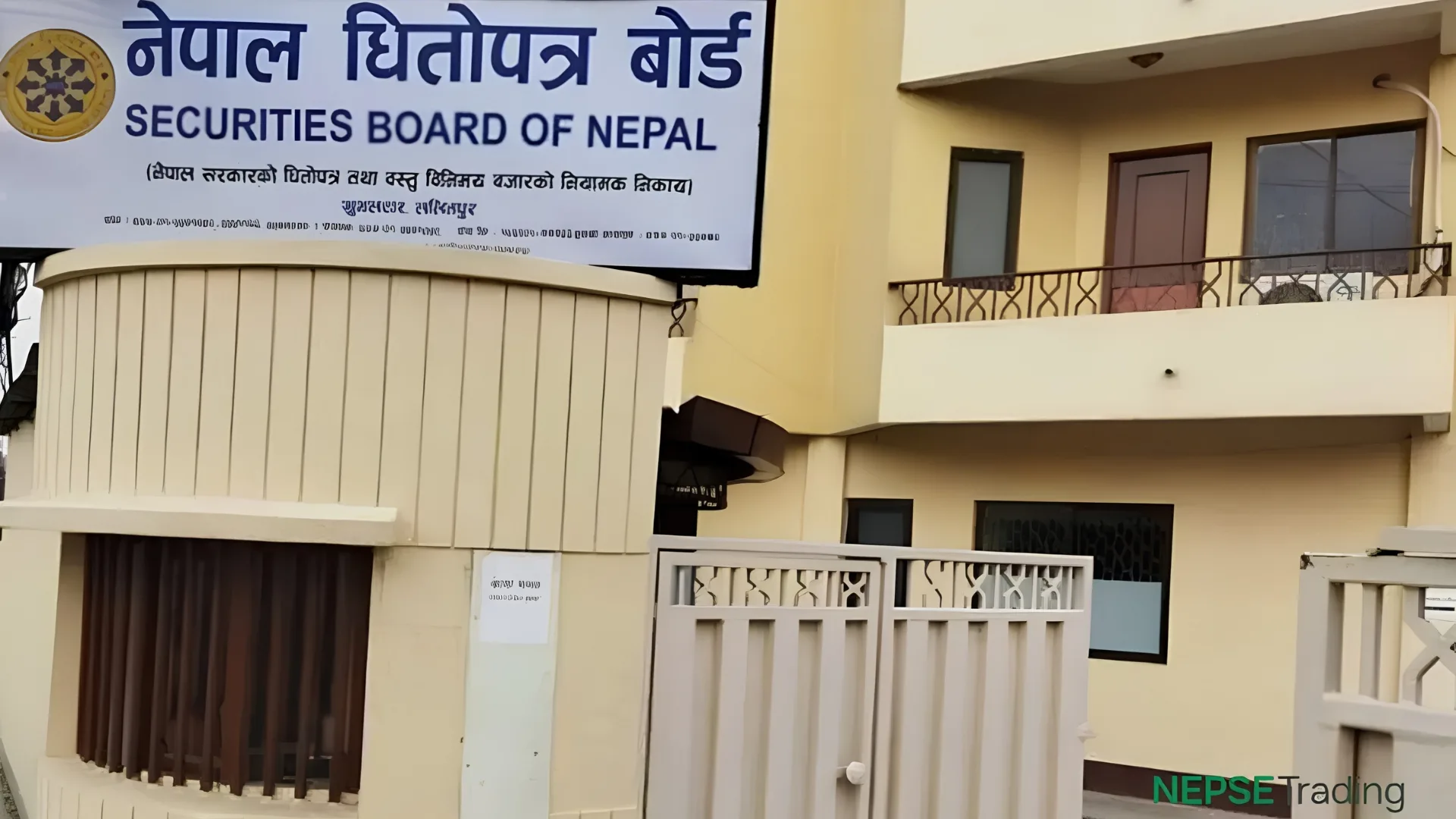
Nepal's capital market has completed more than three decades of existence. Since its formal establishment as a stock market in the 1990s, the market has expanded considerably in size and participation — but experts warn that this growth remains incomplete, and deep structural weaknesses continue to hold the market back from realizing its true potential.
When Nepal Stock Exchange began operations around 2051 BS, just 66 companies were listed and total market capitalization stood at approximately Rs. 14 billion — roughly 7 percent of GDP at the time. The NEPSE index hovered at 226 points. Fast forward to Chaitra 2082, and the picture looks dramatically different on the surface. Listed companies have grown four and a half times to 294, while market capitalization has surged 345 times to reach Rs. 48 trillion 33 billion — now equivalent to 73 percent of GDP. In raw numbers, the growth appears impressive. But experts urge a closer look at what lies beneath those figures.
A deeper examination of the market's composition reveals a worrying lack of diversity. Of the companies currently listed, 45 percent are banks and financial institutions, while hydropower companies have expanded rapidly to account for 35 percent — 103 companies in total. Technology, manufacturing, and service sector companies remain strikingly absent. Because listed companies tend to move in the same direction at the same time, investors have little meaningful opportunity to diversify risk across sectors. This uniformity, analysts say, leaves retail investors the most exposed when the market turns.
The weaknesses identified by the High-Level Economic Reform Recommendation Commission 2081 remain as relevant today as when they were first raised. Nepal's capital market is overwhelmingly equity-driven — bonds and debentures are rarely issued, and companies outside the banking sector have almost entirely avoided the bond market as a source of long-term capital. Even government securities cannot be traded on the secondary market. Derivative markets and commodity exchange markets have not been established. Foreign investors are still barred from participating, with only Nepali citizens and a limited number of Non-Resident Nepalis permitted to trade.
The absence of genuine regulatory independence compounds these problems significantly. Both the Securities Board of Nepal and Nepal Stock Exchange operate under excessive interference from the Ministry of Finance, limiting their ability to make timely decisions and build institutional capacity. Equally alarming is the persistence of market manipulation — stocks with low paid-up capital are frequently used to engineer artificial price swings, while insider trading and circular transactions continue to allow a small number of well-connected individuals to profit at the expense of ordinary investors who have no access to the same information.
The reform agenda put forward by the commission is both concrete and urgent. Among the key recommendations: establishing a secondary market for government securities, allowing Non-Resident Nepalis to trade individually without forming investment funds, restructuring the Securities Board to reduce political appointments and increase the number of independent experts, requiring hydropower companies to complete construction and begin production before conducting an IPO, and reducing transaction fees on large-volume trades. Each of these measures remains unimplemented, sitting on paper while the structural gaps they are meant to address continue to widen.
Broader reforms are also needed beyond what the commission outlined. Regulatory independence of the Securities Board must be genuinely strengthened, not merely promised. Mandatory licensing and clear qualification standards for stock analysts are long overdue. Financial literacy must be promoted at every level of society. And new market instruments — equity crowdfunding, derivative markets, and commodity exchanges — need to be introduced if Nepal's capital market is to offer investors real choices and real protection.
The verdict from experts is clear and consistent — Nepal's stock market still does not reflect the true shape of the economy. Real sector companies remain largely absent, and the market continues to be dominated by financial institutions and hydropower projects. Until the reform agenda moves from paper to practice — with SEBON and Nepal Stock Exchange given genuine autonomy, new instruments introduced, and investor protection strengthened — the capital market will keep falling short of its potential. Nepal's economic growth deserves a capital market that is truly built for it. The time for action is no longer approaching. It has already arrived.