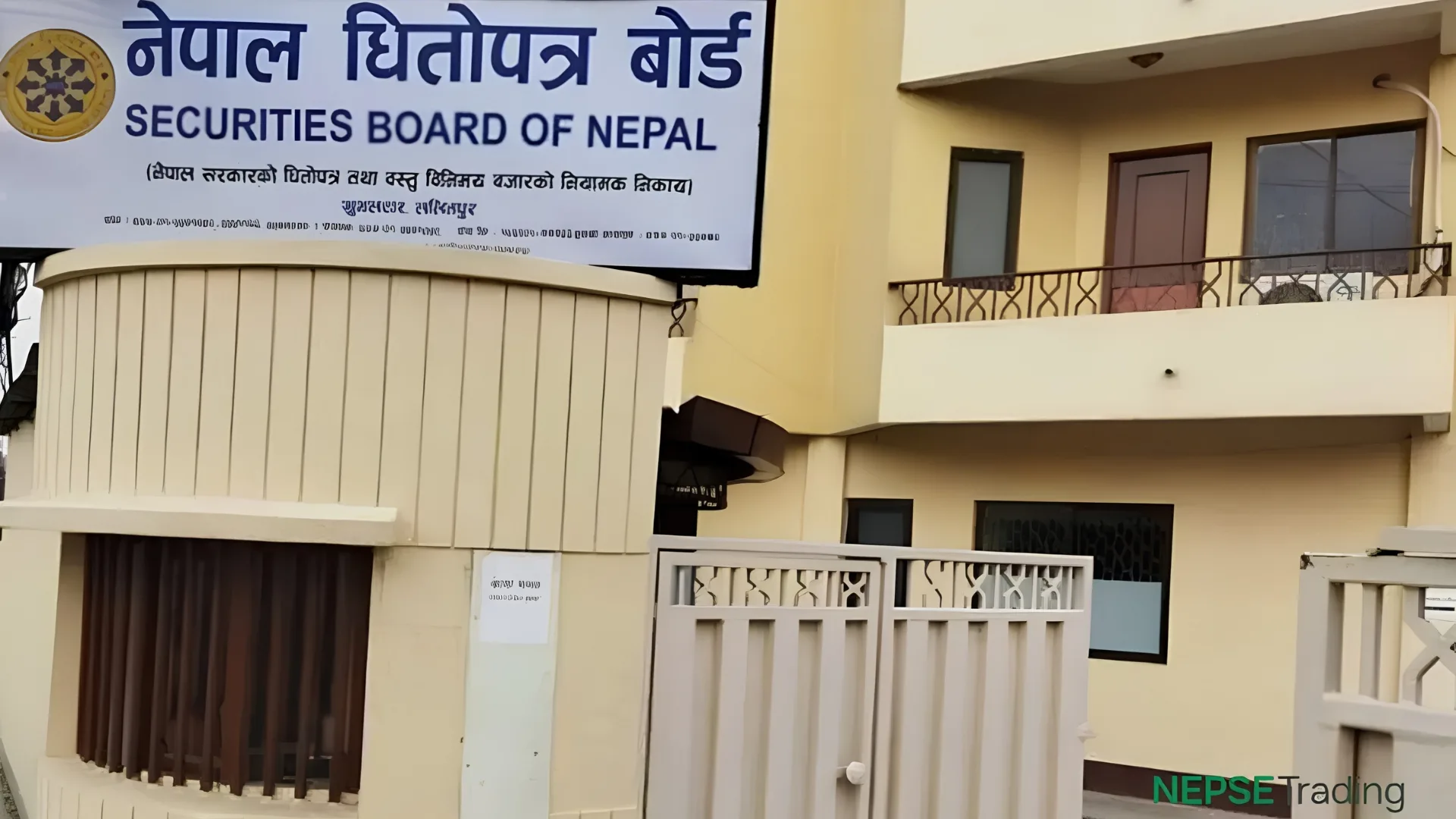
शेयर बजारमा नयाँ खेल : पद छाडेर सेयर बेच्ने प्रवृत्तिले सर्वसाधारण लगानीकर्ता जोखिममाNepal's Stock Market Trap: Promoters Exit, Retail Investors Left Behind
नेपालको शेयर बजारमा एउटा नयाँ र चिन्ताजनक चलन मौलाउँदै गएको छ। सूचीकृत कम्पनीका संस्थापक तथा उच्च व्यवस्थापकहरू आफ्नो पद स्वेच्छाले त्यागेर एक वर्ष पर्खिने र त्यसपछि ठूलो परिमाणमा सेयर बिक्री गर्ने बाटो रोज्न थालेका छन्। कानुनी व्यवस्थाको यो चलाखीपूर्ण दुरुपयोगले सर्वसाधारण लगानीकर्ताको हित र बजारप्रतिको विश्वास दुवैमा गम्भीर प्रश्न उठाएको छ।
धितोपत्र बोर्डको नियमअनुसार सूचीकृत कम्पनीमा पदमा रहँदा र पद छाडेको एक वर्षसम्म सञ्चालकले आफ्नो सेयर बिक्री गर्न पाउँदैनन्। तर यही व्यवस्थाको छिद्र पहिचान गर्दै केही सञ्चालकहरूले जानाजान पदबाट राजीनामा दिने र एक वर्षको प्रतीक्षापछि सेयर बजारमा खन्याउने रणनीति अपनाएका छन्। पछिल्ला महिनामा यस्तो घटना बारम्बार देखिन थालेपछि बजार जानकारहरू चिन्तित बन्न थालेका छन्।
यो समस्या सुरुमा जलविद्युत् क्षेत्रमा मात्र सीमित थियो। तर अहिले लगानी, उत्पादन तथा प्रशोधन, होटल तथा पर्यटन र व्यापार समूहका सूचीकृत कम्पनीहरूमा समेत यस्तो चलन फैलिसकेको छ। कुनै एक क्षेत्रको समस्या अब समग्र बजारमै संक्रमित हुने अवस्थामा पुगेको विज्ञहरू बताउँछन्। निजी क्षेत्रका कम्पनी शेयर बजारमा ल्याउँदा तीन वर्षको लकइन अवधि तोकिएको थियो — तर त्यही व्यवस्थाको मर्मलाई नै आज कुल्चिइँदैछ।
धितोपत्र बोर्डले आफैँले गराएको 'जलविद्युत् समूहका सूचीकृत कम्पनीको सेयर संरचनाको विद्यमान अवस्था र त्यसको प्रभाव' सम्बन्धी अध्ययन प्रतिवेदनले यो कटु सत्य उजागर गरेको छ। प्रतिवेदनले स्पष्ट पारेको छ कि प्रायः संस्थापक सेयरधनीहरू लकइन अवधि सकिनुअघि नै पद छाडेर हिँड्ने गरेका छन्। आफैँले खडा गरेको कम्पनीले भविष्यमा राम्रो प्रतिफल दिन्छ भन्ने विश्वास स्वयं संस्थापकलाई नै नरहेको यो तथ्यले छर्लंग पार्छ — र यही तथ्य सर्वाधिक चिन्ताजनक छ।
भित्री जानकारी राख्नेहरू बाहिरिने र बाहिरका सर्वसाधारण लगानीकर्ता भित्रै थुनिने यो विडम्बनापूर्ण अवस्थाले बजारको मूल आधार — विश्वास — लाई नै कमजोर बनाउँछ। जसलाई कम्पनीको वास्तविक अवस्था थाहा छ, तिनै भाग्छन् र जसलाई थाहा छैन, तिनै बस्छन् — यो उल्टो खेलले सर्वसाधारण लगानीकर्तालाई सबैभन्दा बढी मार पार्छ। कम्पनीको सुशासन र दीर्घकालीन स्थायित्वमाथि पनि यसले गम्भीर प्रश्नचिह्न खडा गर्छ।
यस समस्याको दिगो समाधानका लागि बोर्डको प्रतिवेदनले ठोस सुझाव अगाडि सारेको छ। संस्थापकले कम्तीमा सात वर्षसम्म आफ्नो तीस प्रतिशत सेयर अनिवार्य रूपमा आफैँसँग राख्नुपर्ने व्यवस्था गरिनुपर्छ। यसका साथै धितोपत्र स्वीकृति दिने क्रममा कम्पनीको ऋण भुक्तानी अवधिलाई आधार मानेर मात्र संस्थापक सेयरलाई सर्वसाधारण सेयरमा रूपान्तरण गर्न दिनुपर्ने पनि प्रतिवेदनमा उल्लेख छ।
विज्ञहरू एकमत छन् — धितोपत्रसम्बन्धी कानुनमा तत्काल र कडा सुधार नगरिए यो प्रवृत्ति थप मौलाउने छ। र यसको मूल्य चुकाउने भनेको सधैँझैँ सर्वसाधारण लगानीकर्ता नै हुनेछन् — जो बजारमा भरोसा राखेर पैसा लगाउँछन् तर भित्रको खेलबाट सधैँ अनजान रहन्छन्। बजारको विश्वसनीयता जोगाउन नियामक निकायले अब थप ढिलाइ गर्न नहुने अवस्था आइसकेको छ।

A troubling new pattern is quietly taking root in Nepal's stock market. Promoters and senior executives of listed companies have begun resigning from their positions, waiting out the mandatory one-year cooling period, and then offloading large volumes of shares onto the open market. This calculated exploitation of a legal loophole is raising serious questions about market integrity, corporate governance, and the fate of ordinary investors who are left holding the bag.
Under Securities Board of Nepal (SEBON) regulations, directors and senior management are prohibited from selling their shares while in office and for one full year after leaving their position. The rule was designed to prevent insider trading and protect retail investors. But rather than respecting the spirit of the law, a growing number of executives have found a way around it — simply stepping down, waiting twelve months, and then selling freely. Market insiders say this trend has accelerated sharply in recent months, with incidents becoming increasingly frequent and brazen.
The problem was once confined largely to the hydropower sector, where project-based companies frequently list on the stock exchange after completing construction. It has since spread well beyond that boundary. Companies in the investment, manufacturing and processing, hotel and tourism, and trading sectors are now exhibiting the same behavior. What began as a sector-specific anomaly has quietly evolved into a market-wide crisis. SEBON had originally enforced a three-year lock-in period when private companies entered the public market — but the very intent behind that safeguard is now being systematically undermined.
The evidence does not come from outside critics alone. SEBON's own commissioned study — titled "Current State of Share Structure of Listed Companies in the Hydropower Sector and Its Impact" — has laid bare this uncomfortable reality. The report found that promoter shareholders routinely exit their positions before the lock-in period has even concluded. The implication is deeply unsettling: the very people who built these companies do not believe those companies will deliver meaningful long-term returns. When promoters are racing for the exit, ordinary investors deserve to know why.
The dynamic playing out in Nepal's market is a textbook information asymmetry problem. Those with the deepest knowledge of a company's true financial health and future prospects are the ones selling. Those with the least access to that information — retail investors — are the ones staying in or buying more. The result is a fundamentally unfair marketplace where the most vulnerable participants consistently absorb losses that the well-informed have already escaped. Corporate governance suffers, long-term stability is undermined, and public trust in the market erodes with every such exit.
SEBON's own report has put forward concrete recommendations to address the crisis. Promoters should be legally required to retain at least thirty percent of their shares for a minimum of seven years — a measure that would force them to remain genuinely invested in the company's performance over the long term. The report also recommends that SEBON tie the conversion of promoter shares into publicly tradable shares to the company's loan repayment schedule, ensuring that promoters cannot cash out before the company has demonstrated genuine financial health.
Experts are united in their assessment — without swift and meaningful reform to Nepal's securities laws, this trend will only deepen. The regulatory gap that currently exists is not a minor technicality; it is a structural weakness that sophisticated insiders are actively exploiting at the expense of ordinary citizens who invest their savings in good faith. The credibility of Nepal's capital market depends on SEBON acting decisively and without further delay. Every month of inaction is another month in which retail investors remain exposed to a game whose rules they do not fully know — and whose outcomes are quietly being decided by those who do.