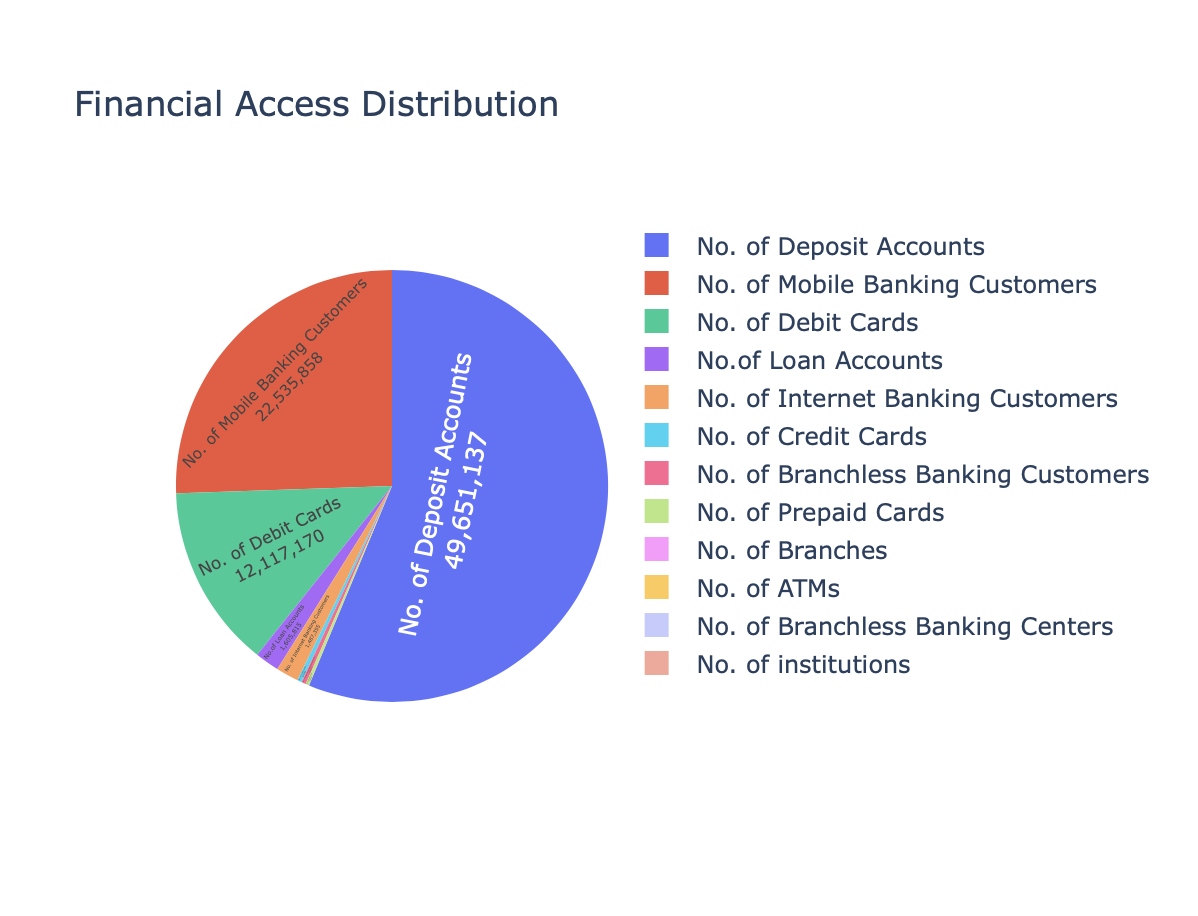
नेपालमा बैंकिङ पहुँच विस्तार र वित्तीय समावेशीकरणका क्षेत्रमा ऐतिहासिक उपलब्धि देखिएको छ। हालै सार्वजनिक गरिएको तथ्यांकअनुसार, वाणिज्य बैंकहरूमा रहेको निक्षेप खाताको संख्या ४,९६,५१,१३७ पुगेको छ, जुन नेपालको कुल जनसंख्या २ करोड ९७ लाख (२,९७,००,०००) भन्दा करिब १.६७ गुणा बढी हो।
के संकेत गर्छ यो तथ्यांक?
यो तथ्यांकले नेपालको वित्तीय क्षेत्रले तीव्र प्रगति गरिरहेको स्पष्ट संकेत गर्दछ। औसत रूपमा हेर्दा, प्रत्येक नेपाली नागरिकको नाममा कम्तीमा दुईवटा बैंक खाता रहेको देखिन्छ। यस्तो अवस्थामा, वित्तीय पहुँचको सहजता, बैंकिङ सेवाको विस्तार, र डिजिटल बैंकिङको प्रचुर विकास प्रमुख कारणका रूपमा देखिन्छन्।
📊 मुख्य तथ्यांकहरू:
कुल निक्षेप खाता संख्या: ४,९६,५१,१३७
देशको जनसंख्या: २,९७,००,००० (२ करोड ९७ लाख)
खाता-जनसंख्या अनुपात: १.६७ गुणा बढी
मोबाइल बैंकिङ ग्राहक संख्या: २,२५,३५,८५८
इन्टरनेट बैंकिङ ग्राहक संख्या: १४,८७,३५५
कुल एटीएम: ४,८४५
खाताको वृद्धिका प्रमुख कारणहरू:
डिजिटल बैंकिङ सेवाको तीव्र विस्तार:
मोबाइल बैंकिङ र इन्टरनेट बैंकिङ सेवाको व्यापक प्रचलनले बैंकिङ प्रक्रिया सहज बनाएको छ। मोबाइल बैंकिङ ग्राहक संख्या मात्रै २,२५,३५,८५८ पुगेको छ, जसले देखाउँछ कि डिजिटल प्लेटफर्ममार्फत धेरै मानिसहरू बैंकिङ सेवामा जोडिएका छन्।
बहु-खाता खोल्ने प्रवृत्ति:
धेरै व्यक्तिहरूले व्यक्तिगत, व्यवसायिक, बचत, र अन्य प्रयोजनका लागि छुट्टाछुट्टै खाता खोल्ने गर्छन्। यसका साथै, विभिन्न बैंकहरूमा खाता खोल्ने चलनले पनि खाताको संख्या बढाएको छ।
सरकारी योजनाहरू र बैंकिङ पहुँच कार्यक्रम:
सरकारले बैंक खाता खोल्न प्रोत्साहन गर्ने विभिन्न योजनाहरू ल्याएको छ। सामाजिक सुरक्षा भत्ता, छात्रवृत्ति, राहत कोष जस्ता योजनाहरूमा बैंक खाता अनिवार्य बनाइएकाले पनि धेरै नयाँ खाता खुलेका छन्।
ग्रामीण क्षेत्रमा बैंकिङ पहुँचको विस्तार:
ग्रामीण क्षेत्रमा पनि बैंकका शाखा विस्तार हुनु, शाखाविहीन बैंकिङ केन्द्रहरूको स्थापना (१०४८ केन्द्रहरू) ले वित्तीय पहुँचलाई सहज बनाएको छ।
अर्थतन्त्रमा यसको प्रभाव:
वित्तीय समावेशीकरण:
यो वृद्धिले वित्तीय समावेशीकरणलाई मजबुत बनाएको छ, जसले देशको आर्थिक विकासमा प्रत्यक्ष योगदान पुर्याउँछ।
बचत प्रवृत्ति वृद्धि:
धेरै मानिसहरूले बैंकमार्फत बचत गर्न थालेका छन्, जसले पूँजी निर्माणमा मद्दत पुर्याउँछ।
कर्जाको पहुँच:
बैंकिङ पहुँचले साना व्यवसाय, उद्यमी, र किसानहरूलाई सहज रूपमा कर्जा प्राप्त गर्न सक्ने वातावरण तयार गरेको छ।
चुनौतीहरू:
यद्यपि खाताको संख्या उल्लेखनीय रूपमा वृद्धि भएको छ, यससँगै केही चुनौतीहरू पनि छन्:
निष्क्रिय खाता:
सबै खाता सक्रिय छैनन्। धेरै खाता खोलिए पनि वित्तीय कारोबार नगर्ने प्रवृत्ति पनि देखिन्छ।
वित्तीय साक्षरताको कमी:
अझै पनि धेरै व्यक्तिहरूले बैंकिङ सेवाको सही उपयोग गर्न नजानेको पाइन्छ। वित्तीय साक्षरता अभावले बैंक खाताको प्रभावकारिता घटाउन सक्छ।
आर्थिक असमानता:
बैंकिङ पहुँच बढे पनि आर्थिक असमानता अझै कायम छ। सबैले समान रूपमा वित्तीय सेवाको लाभ लिन पाएका छैनन्।
अगाडि के गर्न सकिन्छ?
वित्तीय साक्षरताको प्रवर्द्धन:
सरकार र बैंकहरूले वित्तीय साक्षरता कार्यक्रमहरू सञ्चालन गर्न आवश्यक छ, ताकि खाताको प्रभावकारी उपयोग सुनिश्चित गर्न सकियोस्।
डिजिटल पहुँच सुधार:
ग्रामीण र दुर्गम क्षेत्रहरूमा डिजिटल बैंकिङ सेवा अझ विस्तार गर्नुपर्छ, ताकि सबै नागरिकले वित्तीय सेवाको लाभ लिन सकून्।
निष्क्रिय खाताको व्यवस्थापन:
निष्क्रिय खाताहरूलाई सक्रिय बनाउन प्रोत्साहन कार्यक्रमहरू ल्याउन सकिन्छ।
Nepal has witnessed remarkable progress in financial inclusion, as recent data reveals that the total number of deposit accounts in commercial banks has reached 49,651,137, which is approximately 1.67 times higher than the country’s total population of 29.7 million (2.97 crores).
📊 Key Figures:
Total Deposit Accounts: 49,651,137
Nepal’s Population: 29,700,000 (29.7 million)
Account-to-Population Ratio: 1.67 times higher
Mobile Banking Customers: 22,535,858
Internet Banking Customers: 1,487,355
Total ATMs: 4,845
This data signifies that, on average, every Nepali citizen holds more than one bank account. Such a significant number highlights the expansion of banking services, ease of access to financial products, and the increasing adoption of digital banking platforms across the country.
Major Factors Behind the Growth in Deposit Accounts:
Expansion of Digital Banking Services:
The widespread use of mobile and internet banking has made banking more accessible. With 22.5 million mobile banking users and nearly 1.5 million internet banking users, a large portion of the population is now connected to financial services through digital platforms.
Multiple Account Ownership:
Many individuals maintain multiple accounts for personal, business, savings, and specific purposes. The trend of opening accounts in different banks also contributes to the surge in account numbers.
Government Initiatives for Financial Inclusion:
Government schemes, such as social security benefits, student scholarships, and relief funds, often require bank accounts, which has encouraged more people to open accounts.
Banking Penetration in Rural Areas:
The establishment of banking branches and branchless banking centers (1,048 centers nationwide) has made banking services accessible even in remote areas.
Impact on the Economy:
Enhanced Financial Inclusion:
The growth in deposit accounts reflects a positive trend in financial inclusion, which is critical for economic development.
Increased Savings Culture:
More bank accounts indicate a growing culture of savings, contributing to capital formation within the economy.
Improved Access to Credit:
With better access to banking, small businesses, entrepreneurs, and farmers can more easily secure loans to support their ventures.
Challenges Amidst the Growth:
While the increase in deposit accounts is a positive indicator, it also brings certain challenges:
Inactive Accounts:
Not all accounts are actively used. Many remain dormant, especially those opened for specific purposes or under government programs.
Lack of Financial Literacy:
Despite access to banking, many people lack the financial literacy needed to manage their finances effectively.
Economic Inequality:
Although banking access has expanded, not everyone benefits equally from financial services, highlighting persistent economic disparities.
The Way Forward:
Promoting Financial Literacy:
Both the government and financial institutions need to invest in financial literacy programs to ensure people can make informed financial decisions.
Expanding Digital Infrastructure:
There’s a need to improve digital banking infrastructure in rural and remote areas to bridge the digital divide.
Managing Inactive Accounts:
Banks should introduce strategies to reactivate dormant accounts and encourage regular usage.