Top
Bagmati Province Doubles Driving Licence Fees Under New Fiscal Law
In the short term, the policy is likely to boost provincial revenue collections. In the longer term, its success will depend on whether the increased income translates into better transport management systems, reduced processing delays, and more efficient licensing services. For now, the change signals a clear fiscal direction: stronger provincial revenue mobilization, but at the cost of higher compliance expenses for citizens.
Dipesh Ghimire
3 min read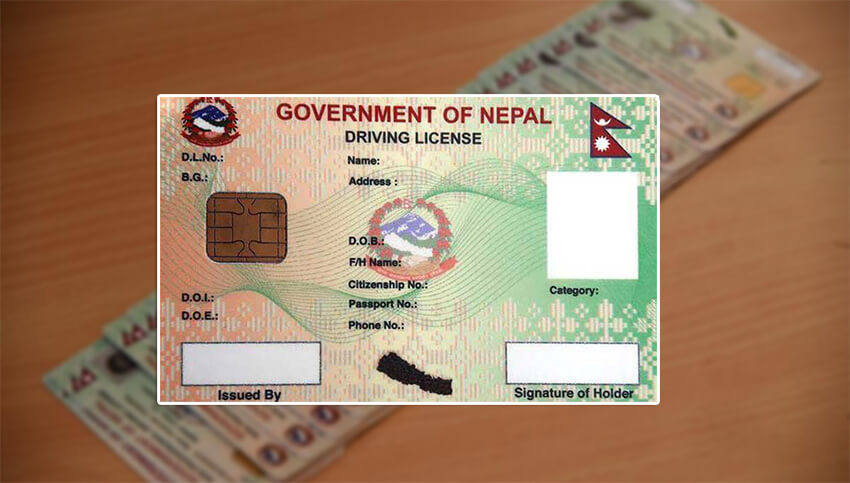
Hetauda — The Bagmati Province government has significantly increased fees related to driving licences, doubling charges across most categories as part of its new fiscal policy to be implemented from the start of the upcoming fiscal year.
According to the financial bill introduced under the provincial budget for fiscal year 2083/84, the revised structure affects licence applications, renewals, and category additions. Officials say the adjustment is aimed at strengthening revenue collection and improving administrative efficiency in transport services.
Under the new provision, the application fee for a driving licence has been raised from Rs 500 to Rs 1,000, marking a 100 percent increase. This adjustment alone is expected to impact thousands of new applicants entering the licensing system each year.
The fee for two-wheelers, including motorcycles and scooters under Category A, has been doubled from Rs 1,500 to Rs 3,000. Similarly, fees for light vehicles such as cars, jeeps, vans, tempos, and power tillers under Categories B, C, and D have increased from Rs 2,000 to Rs 4,000.
For medium commercial and agricultural vehicles under Categories E and F, including tractors, minibuses, and mini trucks, the fee has been revised from Rs 2,500 to Rs 5,000. The revision represents one of the sharpest increases in this segment, effectively doubling the cost of obtaining or renewing licences.
The steepest financial burden is placed on heavy vehicle operators. Licences for Categories G, H, I, and J—which include trucks, buses, loaders, rollers, dozers, cranes, fire engines, excavators, and graders—have been increased from Rs 3,000 to Rs 6,000.
The government has also revised charges for adding new vehicle categories to an existing licence. For Categories A to F, the fee has been increased from Rs 500 to Rs 1,000, while for Categories G to J, it has been raised from Rs 1,000 to Rs 2,000.
Despite the widespread increase in fees, the validity period of driving licences remains unchanged at 10 years, offering no additional extension to offset the higher financial cost for service seekers.
Officials from the provincial government argue that the revision is part of a broader fiscal restructuring plan aimed at improving public service delivery and increasing internal revenue generation. They maintain that the existing fee structure was outdated and not aligned with rising administrative and operational costs.
However, the sharp upward revision is expected to place additional financial pressure on citizens, particularly low- and middle-income applicants seeking new licences or renewals. Transport entrepreneurs and commercial drivers are also likely to feel the impact more strongly due to higher costs in heavy vehicle categories.
Interpretation: Revenue Push vs Public Burden
From a policy perspective, the decision reflects a growing trend among provincial governments to strengthen internal revenue sources amid rising expenditure needs. By doubling licence-related fees, Bagmati Province is attempting to increase non-tax revenue without introducing new tax instruments.
However, the move also raises questions about affordability and access to essential public services. Driving licences are not luxury services but regulatory requirements, meaning price increases effectively function as compulsory costs for citizens entering the transport system.
Economists note that while fee rationalization can improve administrative sustainability, abrupt and uniform increases—especially 100 percent hikes—risk creating dissatisfaction among service users unless matched with visible improvements in service speed, transparency, and digital efficiency.
In the short term, the policy is likely to boost provincial revenue collections. In the longer term, its success will depend on whether the increased income translates into better transport management systems, reduced processing delays, and more efficient licensing services.
For now, the change signals a clear fiscal direction: stronger provincial revenue mobilization, but at the cost of higher compliance expenses for citizens.
Advertisement
Written by
Dipesh Ghimire