Top
Banks Move to Close Over 140 Branches as Digital Banking Gains Ground
Banks Move to Close Over 140 Branches as Digital Banking Gains Ground Nepal’s banking sector is witnessing a structural shift as more than 140 branches are set to be closed or merged by various banks, reflecting a growing transition toward digital banking services. At least 11 banks have already initiated plans to consolidate their urban branch networks, citing changing customer behavior and rising operational costs.
Dipesh Ghimire
2 min read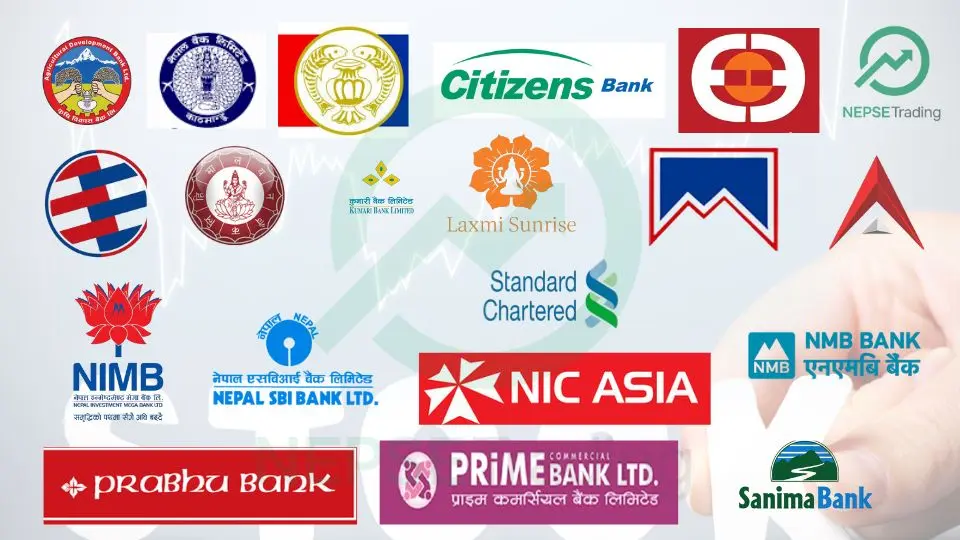
Nepal’s banking sector is witnessing a structural shift as more than 140 branches are set to be closed or merged by various banks, reflecting a growing transition toward digital banking services. At least 11 banks have already initiated plans to consolidate their urban branch networks, citing changing customer behavior and rising operational costs.
The move follows a regulatory easing by the central bank, which has allowed financial institutions to close or merge branches within metropolitan areas without requiring prior approval. This policy change has accelerated decision-making among banks, many of which are now actively restructuring their physical presence, particularly in densely populated urban centers.
Commercial banks have taken the lead in this consolidation drive, with several opting to merge nearby branches and redirect customers to fewer, centralized locations. Development banks are also following a similar path, indicating that the trend is not limited to large institutions alone but is spreading across the entire banking ecosystem.
NIC Asia Bank appears to be at the forefront of this transformation, planning to merge as many as 44 branches. The bank, which once aggressively expanded its physical network, is now reversing course by consolidating operations. Several branches within Kathmandu, including key commercial hubs, are being merged into nearby offices to streamline operations and reduce redundancy.
Other major banks have also announced similar plans. Nepal Investment Mega Bank is preparing to close 18 branches, while Kumari Bank has decided to shut down 16 branches along with eight extension counters. Prabhu Bank is set to close 14 branches, while Global IME Bank and Machhapuchchhre Bank are each planning to shut down eight branches. Siddhartha Bank will close eight branches, Prime Commercial Bank and Nabil Bank seven each, and NMB Bank four branches. Laxmi Sunrise Bank is also preparing to close several outlets, while government-owned banks have begun internal discussions on branch consolidation.
The underlying driver behind this trend is the rapid adoption of digital banking services. With increasing use of mobile banking, internet banking, and digital wallets, customers are relying less on physical branches for routine transactions. As a result, maintaining a large branch network has become less cost-effective for banks, especially in urban areas where multiple branches often operate within close proximity.
From an operational standpoint, branch consolidation offers clear financial advantages. Banks can significantly reduce administrative and infrastructure costs, improve efficiency, and better allocate resources toward technology and innovation. It also allows for more centralized management and improved service consistency across locations.
However, the transition is not without challenges. While urban customers may adapt easily to digital platforms, concerns remain about accessibility for certain groups, particularly elderly customers or those less familiar with digital tools. In addition, branch closures may raise questions about employment adjustments within the sector, although banks have not publicly detailed workforce implications.
Overall, the ongoing wave of branch closures signals a broader transformation in Nepal’s banking industry. As digitalization continues to reshape financial services, banks appear to be recalibrating their strategies to remain competitive in a rapidly evolving landscape. The success of this transition will depend on how effectively institutions balance cost efficiency with customer accessibility in the years ahead.
Advertisement
Written by
Dipesh Ghimire