India’s Gorakhpur–Sonauli High
India’s Gorakhpur–Sonauli Highway Nears Completion, Opening a New Trade and Tourism Gateway for Nepal
With construction approaching completion, the Gorakhpur–Sonauli highway is set to become one of the important connectivity links between India and Nepal, reshaping the movement of goods, tourists and communities across the border.
Dipesh Ghimire
2 min read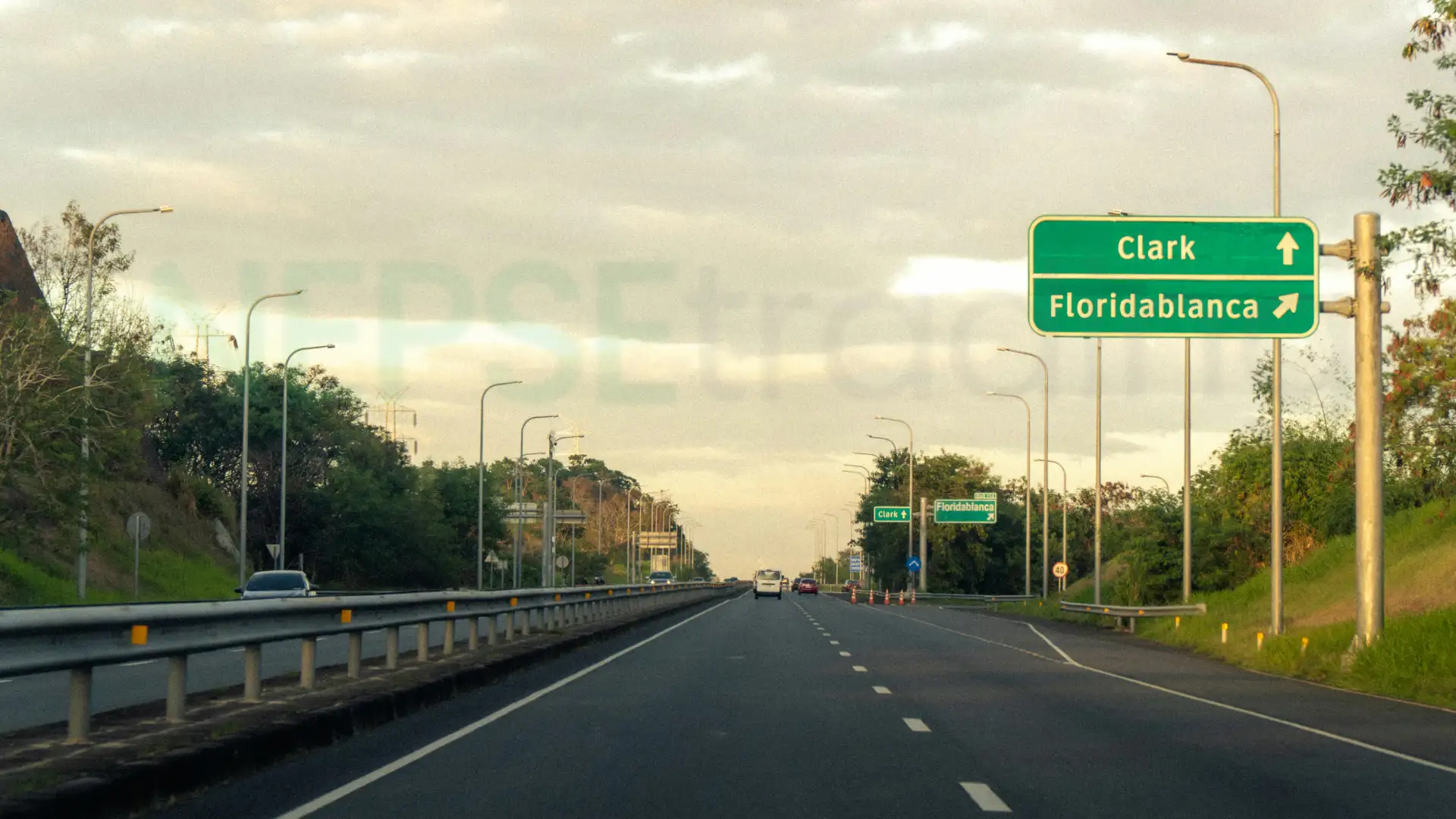
A major road infrastructure project linking India’s eastern transport network with Nepal’s main entry point at Sonauli is moving closer to completion, with the four-lane Gorakhpur–Sonauli National Highway expected to transform cross-border movement, trade and tourism between the two countries.
The National Highways Authority of India (NHAI) has reported that around 89 percent of the 79.5-kilometre highway project has already been completed. The corridor, officially developed as an international connectivity route, is being upgraded from an existing two-lane road into a modern four-lane highway to handle growing passenger and freight movement.
The importance of the project extends beyond a simple road expansion. Gorakhpur has emerged as a key transit hub for travellers and commercial vehicles heading toward Nepal from major Indian regions, including Delhi, Uttar Pradesh and Bihar. However, congestion, narrow road sections and delays in market areas have often slowed movement along the route.
Once operational, the upgraded highway is expected to significantly reduce travel time and improve logistics efficiency. Faster movement of trucks along the corridor could lower transportation delays and provide a more reliable route for businesses engaged in India–Nepal trade.
The project includes several modern infrastructure components, including a railway bridge, two flyovers, 24 underpasses, 105 culverts and 68 kilometres of service roads. These structures are designed not only to improve current traffic flow but also to support future expansion if vehicle movement increases further.
The highway has also been equipped with an advanced traffic management system. Features such as CCTV surveillance, electronic message boards, emergency communication facilities and real-time traffic monitoring are expected to improve road safety and reduce risks associated with increasing traffic density.
For Nepal, the project carries strategic importance because Sonauli is one of the busiest land entry points connecting the two countries. A smoother road network could benefit importers, exporters, tourists and ordinary passengers by reducing transportation costs and improving connectivity with northern Indian markets.
The agricultural sector in border regions is also expected to gain from the improved infrastructure. Faster transport links could allow farmers from areas such as Gorakhpur, Kushinagar and Maharajganj to send vegetables, fruits and other agricultural products to Nepalese markets more quickly, potentially reducing wastage and improving market access.
Tourism is another sector likely to benefit. The improved route could strengthen the Buddhist tourism circuit connecting India’s Kushinagar and Bodh Gaya with Nepal’s Lumbini, the birthplace of Lord Buddha. Easier road access may encourage more religious and cultural visitors travelling between the two countries.
The highway project comes at a time when India is expanding its national road network through large-scale infrastructure investment. For Nepal, the Gorakhpur–Sonauli corridor represents more than a transport project; it is a potential economic link that could deepen regional integration, strengthen supply chains and support cross-border economic activities.
However, the full benefits will depend on effective border management, customs efficiency and coordination between Nepal and India. Better roads can accelerate trade, but smooth movement of goods and people will require equally efficient systems at the border.
With construction approaching completion, the Gorakhpur–Sonauli highway is set to become one of the important connectivity links between India and Nepal, reshaping the movement of goods, tourists and communities across the border.
Advertisement
Written by
Dipesh Ghimire