Top
US–India Trade Deal Marks a Strategic Shift in Global Commerce and Geopolitics
US–India Trade Deal Marks a Strategic Shift in Global Commerce and Geopolitics The announcement of a new trade agreement between the United States and India by former US President Donald Trump signals a notable reset in economic relations between the two countries. By reducing tariffs on Indian imports from 25 percent to 18 percent, Washington has sent a message that trade tensions with one of Asia’s largest economies are giving way to a more cooperative and interest-aligned approach. The decision is being viewed not merely as a tariff adjustment, but as a recalibration of broader economic and strategic priorities. At the heart of the agreement lies India’s commitment to dismantle its existing trade barriers and realign parts of its energy policy. Trump’s statement that India has agreed to stop purchasing oil from Russia adds a geopolitical dimension to what might otherwise be seen as a purely commercial deal. The removal of the additional 25 percent “penalty tariff” imposed earlier suggests that the US is willing to reward policy alignment with tangible economic concessions, blending trade policy with foreign policy objectives.
Dipesh Ghimire
2 min read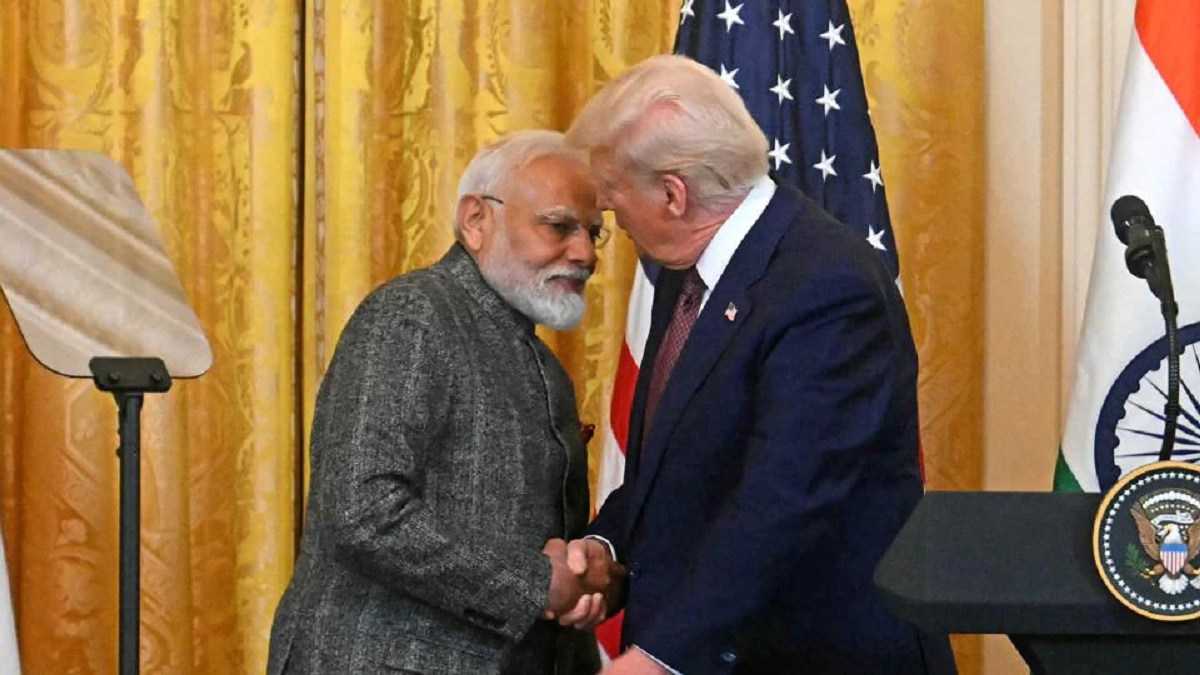
The announcement of a new trade agreement between the United States and India by former US President Donald Trump signals a notable reset in economic relations between the two countries. By reducing tariffs on Indian imports from 25 percent to 18 percent, Washington has sent a message that trade tensions with one of Asia’s largest economies are giving way to a more cooperative and interest-aligned approach. The decision is being viewed not merely as a tariff adjustment, but as a recalibration of broader economic and strategic priorities.
At the heart of the agreement lies India’s commitment to dismantle its existing trade barriers and realign parts of its energy policy. Trump’s statement that India has agreed to stop purchasing oil from Russia adds a geopolitical dimension to what might otherwise be seen as a purely commercial deal. The removal of the additional 25 percent “penalty tariff” imposed earlier suggests that the US is willing to reward policy alignment with tangible economic concessions, blending trade policy with foreign policy objectives.
For India, the reduction in tariffs provides immediate relief to exporters who had been struggling under elevated US duties, some of which had climbed as high as 50 percent in recent years. Lower tariffs could improve the competitiveness of Indian goods in the American market, particularly in manufacturing and value-added sectors. At the same time, opening domestic markets by lowering trade barriers may increase competition within India, forcing local industries to adapt, modernize, and become more efficient.
Indian Prime Minister Narendra Modi’s public expression of appreciation reflects the political importance New Delhi attaches to the agreement. By framing the deal as a benefit to India’s 1.4 billion people, the Indian leadership appears keen to present the agreement as a national economic win rather than a compromise. The messaging underscores India’s growing confidence in engaging major powers on relatively equal terms.
One of the most striking elements of the deal is India’s reported commitment to purchase more than USD 500 billion worth of American goods across sectors such as energy, technology, agriculture, and coal. If realized, this would significantly deepen trade interdependence between the two countries. For the United States, it promises a boost to exports and domestic industries, while for India it offers access to advanced technology, diversified energy supplies, and stable trade partnerships.
The timing of the agreement is also significant. It comes shortly after India concluded a free trade agreement with the European Union, reinforcing the perception that New Delhi is actively repositioning itself within the global trading system. By engaging simultaneously with both the US and the EU, India appears to be pursuing a strategy of diversification—reducing overdependence on any single market while strengthening its role in global supply chains.
Taken together, the US–India trade deal represents more than a bilateral economic arrangement. It reflects shifting global alliances, evolving trade norms, and the increasing linkage between commerce and geopolitics. While the long-term impact will depend on implementation and follow-through, the agreement has already reshaped expectations about the future direction of US–India relations and India’s place in the global economic order.
Advertisement
Written by
Dipesh Ghimire