NEPSEtrading

Live NEPSE data, charts, broker analysis and portfolio tools for investors in Nepal.

Subscribe to our newsletter

Weekly insights from the NEPSE market in your inbox.

Marketminds Investment Group Private Limited

Registration
DOIB certificate no. 4680-2081/2082
Editor-in-chief
Dipesh Ghimire, Director
9802363868, 9851119988
Office
Koteshwor 32, Kathmandu
Phone
01-5253221, +977 9709066745
Email

Contact support

Market

  • Stocks
  • Sectors

Company

  • About Us
  • Our Team
  • Terms of Use
  • Our Policy
  • Training
  • Contact Us

Help

  • Support
  • Report
  • FAQ

Get the app

Markets, signals and alerts on your phone.

Get it onGoogle Play

More from NEPSE Trading

  • Stock EducationFree share market courses
  • EconomyNepal and world economic data
  • BFIS CompareBank rates, loans and insurance
  • Nepal's CapitalsMutual fund NAV and dividends
  • JobsNepalJobs in Nepal

nepsetrading.com is an online news portal that provides insights into trading and investment by analyzing the stock market and the global economy. We create charts based on the analysis of various indicators. Please do not rely solely on this information for investment decisions. Self-study is crucial. Use this information only as an educational and informational resource.

© 2026 nepsetrading.com. All rights reserved. Owned and operated by Marketminds Investment Group Private Limited.·Charts powered by TradingView

  • Portfolio
  • Explore
  • Calendar
  • Chart
  • Social
  • News
  • Account
  1. News
  2. Investor
  3. Deposit Interest Rates Continue to Fall as Excess Liquidity Weighs on Banks

पुसमा पनि घट्यो बैंकहरूको निक्षेप ब्याजदर, औसत दर ५ प्रतिशतभन्दा तलDeposit Interest Rates Continue to Fall as Excess Liquidity Weighs on Banks

NEPSE TRADINGPublished on December 15, 20253 min read
पुसमा पनि घट्यो बैंकहरूको निक्षेप ब्याजदर, औसत दर ५ प्रतिशतभन्दा तल

काठमाडौं — विगत लामो समयदेखि निरन्तर ओरालो लागेको बैंकहरूको निक्षेप ब्याजदर पुस महिनामा पनि थप घटेको छ। वाणिज्य बैंकहरूले सार्वजनिक गरेको नयाँ ब्याजदर सूचीअनुसार व्यक्तिगत तथा संस्थागत दुवै प्रकारका मुद्दती निक्षेपको ब्याजदर घट्दा निक्षेपकर्ताको प्रतिफल थप खुम्चिने संकेत देखिएको छ।

कर्जा प्रवाह अपेक्षित रूपमा बढ्न नसक्दा बैंकिङ प्रणालीमा भने निक्षेप बढ्दो क्रममा देखिएको छ। कर्जाको माग कमजोर रहँदा निक्षेप थुप्रिँदै जाँदा बैंक तथा वित्तीय संस्थामा अधिक तरलताको अवस्था सिर्जना भएको छ। यही अतिरिक्त तरलताले बैंकहरूलाई निक्षेप तान्न ब्याज बढाउनुपर्ने दबाब नपरेको देखिन्छ।

१३ वाणिज्य बैंकले घटाए व्यक्तिगत मुद्दती निक्षेपको ब्याज

पुस महिनाका लागि सञ्चालनमा रहेका २० वाणिज्य बैंकमध्ये १३ बैंकले व्यक्तिगत मुद्दती निक्षेपको अधिकतम ब्याजदर घटाएका छन्। यससँगै वाणिज्य बैंकहरूको व्यक्तिगत मुद्दती निक्षेपको औसत अधिकतम ब्याजदर ०.३१ प्रतिशतविन्दुले घटेर ४.७३ प्रतिशतमा झरेको छ। मंसिर महिनामा यो औसत दर ५.०४ प्रतिशत थियो।

औसत ब्याजदर ५ प्रतिशतभन्दा तल झर्नु बैंकिङ क्षेत्रमा ब्याजदर घट्दो चक्र अझै जारी रहेको स्पष्ट संकेत मानिन्छ। बैंकिङ क्षेत्रका जानकारहरूका अनुसार अधिक तरलताको अवस्था कायमै रहेसम्म ब्याजदरमा तत्काल सुधारको सम्भावना देखिँदैन।

केही बैंकले ठूलो कटौती, केहीले दर यथावत् राखे

ब्याजदर घटाउने बैंकमध्ये प्राइम कमर्सियल बैंक, ग्लोबल आइएमई बैंक र राष्ट्रिय वाणिज्य बैंकले समान रूपमा ०.५ प्रतिशतविन्दुले ब्याजदर घटाएका छन्। त्यस्तै, प्रभु बैंक र कृषि विकास बैंकले ०.४ प्रतिशतविन्दु तथा कुमारी बैंकले ०.३८ प्रतिशतविन्दुले ब्याजदर घटाएका छन्।

यद्यपि, ७ वाणिज्य बैंकले भने मंसिर महिनाकै ब्याजदरलाई निरन्तरता दिएका छन्। सिटिजन्स बैंक, माछापुच्छ्रे बैंक, एनआईसी एशिया बैंक, सिद्धार्थ बैंक, नेपाल इन्भेष्टमेन्ट मेगा बैंक, एनएमबी बैंक र हिमालयन बैंकले व्यक्तिगत मुद्दती निक्षेपको ब्याजदरमा कुनै परिवर्तन गरेका छैनन्।

सबैभन्दा बढी र कम ब्याज दिने बैंक

पुस महिनामा ग्लोबल आइएमई बैंक र हिमालयन बैंकले व्यक्तिगत मुद्दती निक्षेपमा अधिकतम ५.५ प्रतिशत ब्याजदर तोकेका छन्, जुन हाल सबैभन्दा उच्च हो। अर्कोतर्फ, प्राइम कमर्सियल बैंकले सबैभन्दा कम ४.२५ प्रतिशत ब्याजदर कायम गरेको छ।

बैंकहरूबीच ब्याजदरको अन्तर पनि क्रमशः साँघुरिँदै गएको देखिन्छ, जसले बजारमा प्रतिस्पर्धाभन्दा पनि तरलता व्यवस्थापन प्रमुख चुनौती बनेको संकेत गर्छ।

संस्थागत मुद्दती निक्षेपमा पनि गिरावट

व्यक्तिगत मुद्दती निक्षेपसँगै संस्थागत मुद्दती निक्षेपको ब्याजदर पनि घटेको छ। मंसिरको तुलनामा पुस महिनामा संस्थागत मुद्दती निक्षेपको अधिकतम औसत ब्याजदर ०.२२ प्रतिशतविन्दुले घटेर ३.३६ प्रतिशतमा सीमित भएको छ।

पुस महिनाका लागि ५ वाणिज्य बैंकले संस्थागत मुद्दती निक्षेपको ब्याजदर घटाएका छन्, जबकि बाँकी १५ बैंकले अघिल्लो महिनाकै दरलाई निरन्तरता दिएका छन्। संस्थागत निक्षेप ठूलो परिमाणको हुने भएकाले सानो दर परिवर्तनले पनि बैंकको लागत संरचनामा ठूलो प्रभाव पार्ने बैंकर्सहरूको भनाइ छ।

अर्थतन्त्र र निक्षेपकर्तामा असर

ब्याजदर निरन्तर घट्दा निक्षेपकर्ताको वास्तविक आम्दानी घट्ने अवस्था सिर्जना भएको छ। मुद्रास्फीति पूर्ण रूपमा नियन्त्रणमा नआएको अवस्थामा कम ब्याजदरले बचतकर्तालाई वैकल्पिक लगानी खोज्न प्रेरित गर्न सक्ने देखिन्छ।

समग्रमा, पुस महिनाको तथ्यांकले बैंकिङ क्षेत्रमा अधिक तरलता, कमजोर कर्जा माग र ब्याजदरमा तत्काल सुधारको सम्भावना न्यून रहेको सन्देश दिएको छ। कर्जा प्रवाहले गति नलिँदासम्म निक्षेप ब्याजदर दबाबमै रहने विश्लेषकहरूको निष्कर्ष छ।
Kathmandu — Commercial banks in Nepal have further lowered deposit interest rates for the month of Poush, extending a downward trend that has persisted for several months. The latest revisions indicate that returns for depositors are continuing to shrink, reflecting weak credit demand and sustained excess liquidity in the banking system.

Despite steady growth in deposits, banks have struggled to expand lending in line with expectations. Private sector credit growth has remained sluggish, while deposits have continued to accumulate. This imbalance has resulted in surplus liquidity, reducing banks’ need to compete aggressively for deposits and pushing interest rates steadily downward.

Average Individual Fixed Deposit Rates Slip Below 5 Percent

For Poush, 13 out of 20 commercial banks reduced the maximum interest rate on individual fixed deposits compared to Mangsir. As a result, the average maximum rate fell by 0.31 percentage points, declining to 4.73 percent from 5.04 percent a month earlier.

This marks a notable shift, as the average deposit rate has now fallen below the 5 percent level, highlighting the depth of the ongoing rate-cut cycle. Bankers say the decline is primarily driven by liquidity conditions rather than competitive pressures.

Banks Leading the Rate Reductions

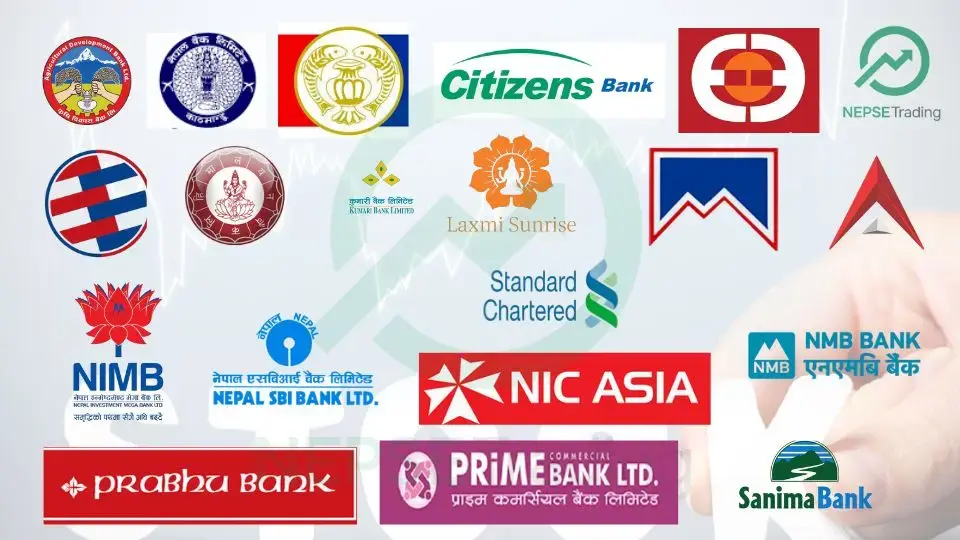
Among the banks implementing the largest cuts, Prime Commercial Bank, Global IME Bank, and Rastriya Banijya Bank reduced their maximum individual fixed deposit rates by 0.5 percentage points each. Prabhu Bank and Agriculture Development Bank followed with 0.4 percentage point reductions, while Kumari Bank lowered its rate by 0.38 percentage points.

Analysts note that banks with relatively stronger deposit inflows are adjusting rates to discourage further accumulation of funds, as holding excess liquidity increases regulatory and opportunity costs.

Several Banks Maintain Previous Rates

In contrast, seven commercial banks opted to keep their deposit rates unchanged for Poush. Citizens Bank, Machhapuchhre Bank, NIC Asia Bank, Siddhartha Bank, Nepal Investment Mega Bank, NMB Bank, and Himalayan Bank continued with the same individual fixed deposit rates as in Mangsir.

This divergence reflects differences in liquidity positions and funding strategies, with some banks prioritizing depositor stability over immediate cost reduction.

Highest and Lowest Deposit Returns

For Poush, Global IME Bank and Himalayan Bank are offering the highest maximum individual fixed deposit rate of 5.5 percent, while Prime Commercial Bank is offering the lowest rate at 4.25 percent.

The narrowing gap between the highest and lowest rates suggests a convergence in pricing strategies, reinforcing expectations that deposit rates will remain under pressure in the near term.

Institutional Deposit Rates Also Decline

The downward trend has extended to institutional fixed deposits as well. Compared to Mangsir, the average maximum institutional deposit rate declined by 0.22 percentage points, falling to 3.36 percent.

During Poush, five commercial banks reduced institutional deposit rates, while the remaining 15 banks kept rates unchanged. Given the large volume of institutional deposits, even modest rate adjustments significantly affect banks’ funding costs.

Liquidity Conditions Drive the Trend

Banking experts attribute the sustained decline in deposit rates to structural excess liquidity, driven by weak investment activity, cautious borrowing behavior, and limited expansion in productive sectors. While deposit growth has continued due to the lack of alternative investment avenues, lending has not kept pace.

As a result, banks are focusing more on liquidity management rather than deposit mobilization, which is likely to keep deposit rates subdued unless credit demand strengthens.

Implications for Depositors and the Economy

For depositors, falling interest rates mean lower real returns, particularly in an environment where household expenses remain elevated. Over time, this could encourage savers to explore alternative investment options, including capital markets, though risk appetite remains cautious.

From a broader economic perspective, persistently low deposit rates signal muted economic momentum, suggesting that monetary easing alone may not be sufficient to stimulate lending without stronger business confidence and investment demand.

Outlook Remains Weak

Given current trends, bankers and analysts do not expect a near-term recovery in deposit interest rates. Unless credit growth accelerates or liquidity conditions tighten, deposit rates are likely to remain low in the coming months.

The Poush data clearly indicates that Nepal’s banking sector is currently grappling more with managing surplus funds than attracting new deposits.

Trending News

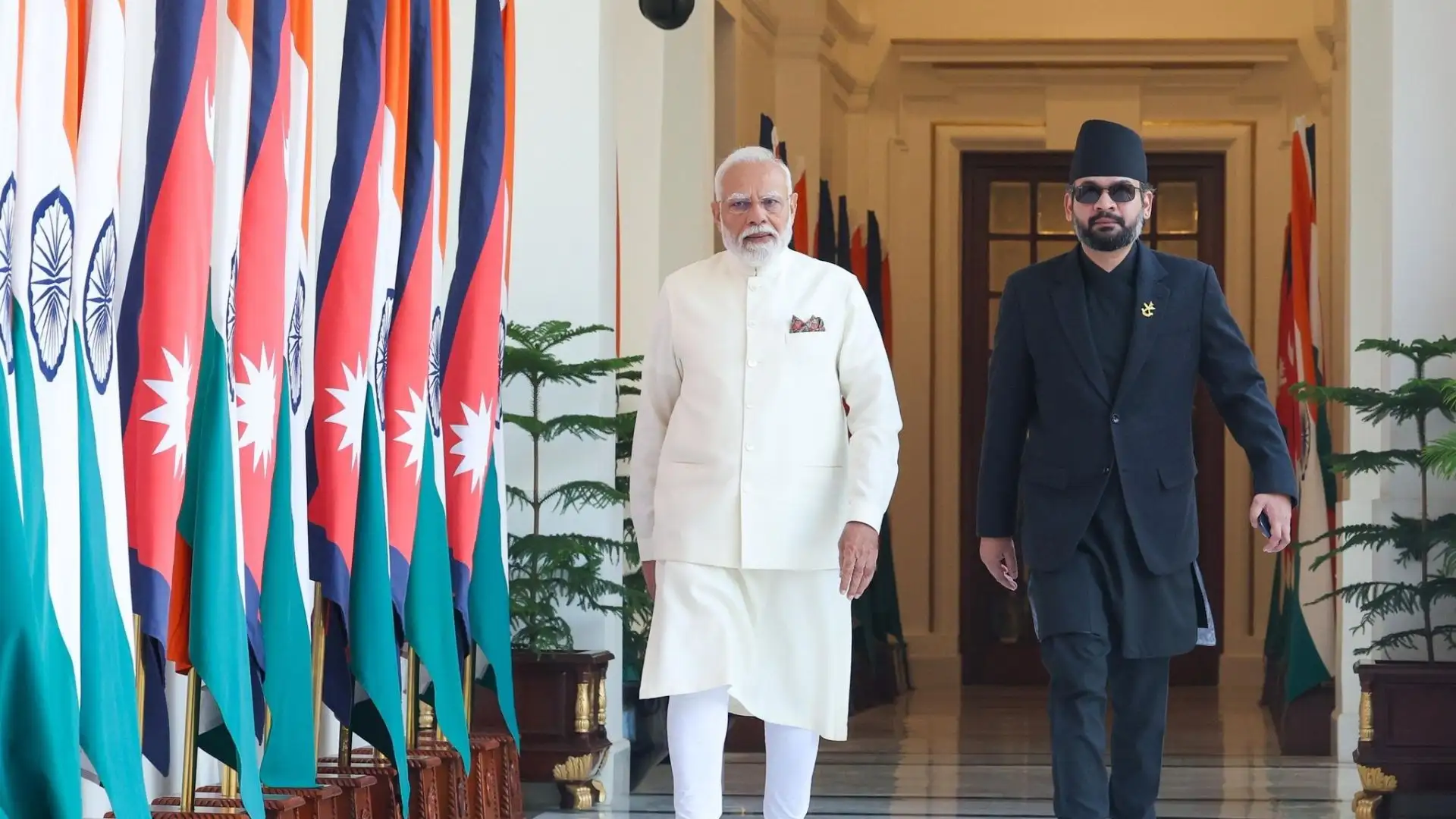
  • नेपाल–भारत उच्चस्तरीय वार्ताः २ खर्ब ४० अर्बको प्याकेजसहित ऊर्जा, पारवहन र प्रविधिमा नयाँ साझेदारीNepal-India High-Level Talks: New Partnership in Energy, Transit, and Technology Alongside Rs 240 Billion Package

    NEPSE TRADING23 Nov, 2026

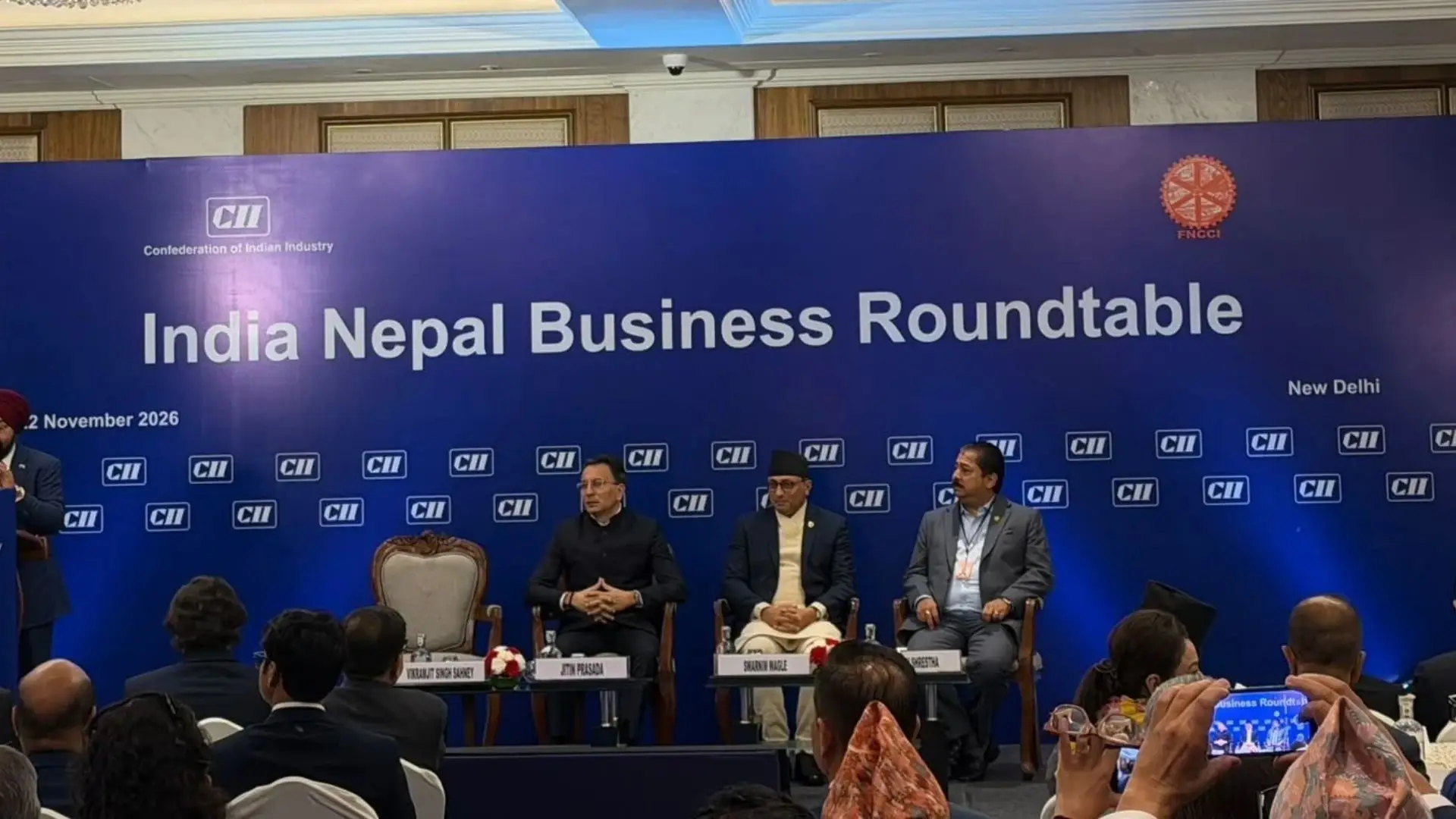
  • व्यापारिक अवरोध हटाउन र लगानी बढाउन भारतसँग नेपाली व्यवसायीको आग्रहNepali Business Leaders Urge India to Lift Trade Barriers, Boost Investment at New Delhi Roundtable

    NEPSE TRADING23 Nov, 2026

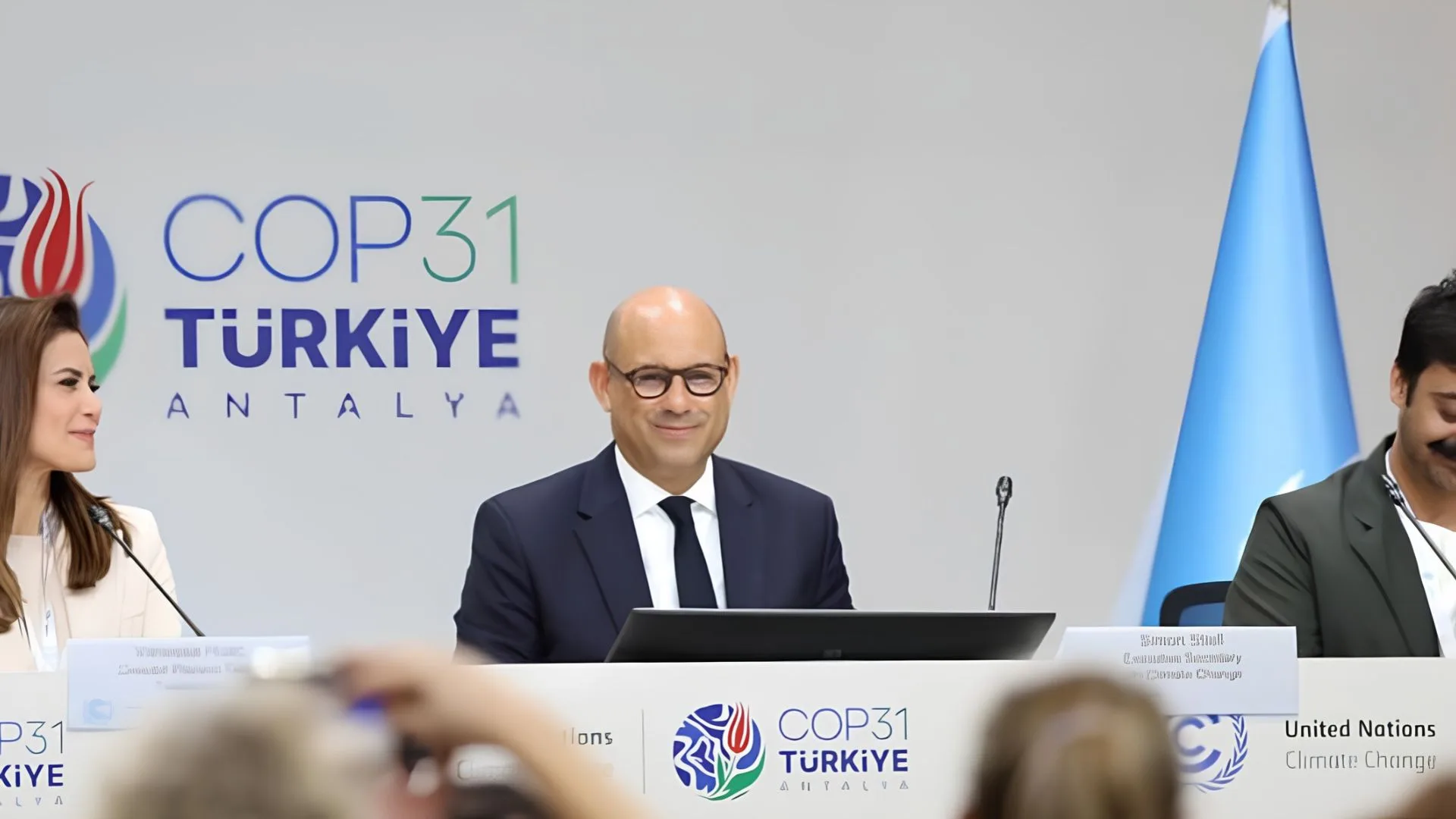
  • कोप–३१ मा निर्णय पारित हुन नसक्नु निराशाजनक, कार्यान्वयनको युगमा प्रवेश गरिसक्यौँ : साइमन स्टिलFailure to Pass Decision at COP-31 Disappointing; We Have Entered the Era of Implementation: Simon Stiell

    NEPSE TRADING23 Nov, 2026

Related News

  • नेपाल–भारत उच्चस्तरीय वार्ताः २ खर्ब ४० अर्बको प्याकेजसहित ऊर्जा, पारवहन र प्रविधिमा नयाँ साझेदारीNepal-India High-Level Talks: New Partnership in Energy, Transit, and Technology Alongside Rs 240 Billion Package
  • व्यापारिक अवरोध हटाउन र लगानी बढाउन भारतसँग नेपाली व्यवसायीको आग्रहNepali Business Leaders Urge India to Lift Trade Barriers, Boost Investment at New Delhi Roundtable
  • कोप–३१ मा निर्णय पारित हुन नसक्नु निराशाजनक, कार्यान्वयनको युगमा प्रवेश गरिसक्यौँ : साइमन स्टिलFailure to Pass Decision at COP-31 Disappointing; We Have Entered the Era of Implementation: Simon Stiell
  • प्रधानमन्त्री शाह र भारतीय समकक्षी मोदीबीच आज भेटवार्ता हुँदै, तल्लो अरुणको शिलान्यास गरिनेPM Shah and Indian Counterpart Modi to Hold Bilateral Talks Today; Lower Arun Hydropower Project to be Inaugurated
  • नेपाली बजारमा आजको विदेशी मुद्रा विनिमय दर सार्वजनिक, अमेरिकी डलर १४८ रुपैयाँ ५८ पैसामा कारोबार हुँदैForeign Exchange Rates Announced for Nepali Market; US Dollar Trades at NPR 148.58