NEPSEtrading

Live NEPSE data, charts, broker analysis and portfolio tools for investors in Nepal.

Subscribe to our newsletter

Weekly insights from the NEPSE market in your inbox.

Marketminds Investment Group Private Limited

Registration
DOIB certificate no. 4680-2081/2082
Editor-in-chief
Dipesh Ghimire, Director
9802363868, 9851119988
Office
Koteshwor 32, Kathmandu
Phone
01-5253221, +977 9709066745
Email

Contact support

Market

  • Stocks
  • Sectors

Company

  • About Us
  • Our Team
  • Terms of Use
  • Our Policy
  • Training
  • Contact Us

Help

  • Support
  • Report
  • FAQ

Get the app

Markets, signals and alerts on your phone.

Get it onGoogle Play

More from NEPSE Trading

  • Stock EducationFree share market courses
  • EconomyNepal and world economic data
  • BFIS CompareBank rates, loans and insurance
  • Nepal's CapitalsMutual fund NAV and dividends
  • JobsNepalJobs in Nepal

nepsetrading.com is an online news portal that provides insights into trading and investment by analyzing the stock market and the global economy. We create charts based on the analysis of various indicators. Please do not rely solely on this information for investment decisions. Self-study is crucial. Use this information only as an educational and informational resource.

© 2026 nepsetrading.com. All rights reserved. Owned and operated by Marketminds Investment Group Private Limited.·Charts powered by TradingView

  • Portfolio
  • Explore
  • Calendar
  • Chart
  • Social
  • News
  • Account
  1. News
  2. Investor
  3. Nepali Business Leaders Urge India to Lift Trade Barriers, Boost Investment at New Delhi R...

व्यापारिक अवरोध हटाउन र लगानी बढाउन भारतसँग नेपाली व्यवसायीको आग्रहNepali Business Leaders Urge India to Lift Trade Barriers, Boost Investment at New Delhi Roundtable

NEPSE TRADINGPublished on November 23, 20264 min read
व्यापारिक अवरोध हटाउन र लगानी बढाउन भारतसँग नेपाली व्यवसायीको आग्रह

नयाँदिल्ली — प्रधानमन्त्री बालेन्द्र शाहको औपचारिक भारत भ्रमणका क्रममा नयाँदिल्लीमा आयोजित 'नेपाल–भारत बिजनेस राउन्डटेबल' मा नेपाली उद्योगी तथा व्यवसायीहरूले दुई देशबीचको आर्थिक सम्बन्धलाई थप व्यावहारिक र परिणाममुखी बनाउन व्यापारिक अवरोधहरू हटाउन, सीमापार पूर्वाधार विस्तार गर्न र भारतीय निजी क्षेत्रको लगानी बढाउन आग्रह गरेका छन्।

द्विपक्षीय सम्बन्ध घनिष्ठ रहे पनि भारतीय बजारमा नेपाली उत्पादनको सहज पहुँच नहुँदा निर्यातमा समस्या भइरहेको नेपाली निजी क्षेत्रको भनाइ थियो। विशेषगरी गुणस्तर प्रमाणीकरणमा हुने ढिलाइ र केही औद्योगिक वस्तुको निर्यातमा लगाइएका नीतिगत शुल्कले व्यापार विस्तारमा अवरोध पुर्‍याएको व्यवसायीहरूले औँल्याए।

नेपाली पक्षको आग्रहपछि भारतीय वाणिज्य तथा उद्योग राज्यमन्त्री जितिन प्रसादले नेपालको उत्पादन क्षमता, पूर्वाधार र पर्यटन क्षेत्रमा लगानी तथा सहकार्यको बलियो सम्भावना रहेको उल्लेख गर्दै आर्थिक विकासको गतिलाई तीव्र बनाउन सुझाव दिए।

सोही अवसरमा अर्थमन्त्री डा. स्वर्णिम वाग्लेले भारतीय उद्योगी तथा लगानीकर्तालाई नेपालमा लगानी विस्तार गर्न आह्वान गर्दै सरकारले लगानीमैत्री वातावरण निर्माणका लागि आवश्यक नीतिगत तथा कानुनी सुधार गरिरहेको जानकारी दिए।

कार्यक्रमलाई सम्बोधन गर्दै नेपाल उद्योग वाणिज्य महासंघ (एफएनसीसीआई) का अध्यक्ष अञ्जन श्रेष्ठले नेपाल–भारत सम्बन्धलाई परम्परागत व्यापारिक निकटताबाट माथि उठाएर आर्थिक समृद्धिको साझेदारीमा रूपान्तरण गर्नुपर्ने बताए। उनले व्यापार, पारवहन, सम्पर्क सञ्जाल, पूर्वाधार, ऊर्जा, लगानी र प्रविधिलाई प्राथमिकतामा राखेर सात क्षेत्रमा सहकार्य विस्तार गर्न प्रस्ताव गरे।

भारत नेपालको सबैभन्दा ठूलो व्यापारिक साझेदार र वैदेशिक लगानीको प्रमुख स्रोत भए पनि सम्भावनाअनुरूप भारतीय निजी क्षेत्रको पुँजी भित्रिन नसकेको श्रेष्ठको भनाइ थियो। नेपालमा रहेको कुल प्रत्यक्ष वैदेशिक लगानी (एफडीआई) मध्ये करिब एक तिहाइ हिस्सा भारतको रहे पनि वास्तविक लगानीको परिमाण अझै एक अर्ब अमेरिकी डलरभन्दा कम रहेको उनले उल्लेख गरे।

विदेशी लगानी आकर्षित गर्न नेपालले १०२ वटा क्षेत्रमा स्वतः विदेशी लगानी स्वीकृत हुने व्यवस्था गरेको, लगानीको न्यूनतम सीमा हटाएको तथा एकद्वार सेवा केन्द्रमार्फत प्रक्रियागत सहजीकरण गरिरहेको जानकारी पनि उनले भारतीय व्यवसायीलाई दिए।

राउन्डटेबलमा नेपाली व्यवसायीहरूले जुट र स्टिल उद्योगका उत्पादनमा भारतले लगाएको व्यापारिक शुल्क पुनरावलोकन गर्न विशेष ध्यानाकर्षण गराएका थिए। सन् २०१७ देखि नेपाली जुट उत्पादनमा लागू हुँदै आएको एन्टी–डम्पिङ शुल्कले पूर्वी नेपालका किसान र श्रमिकको रोजगारी प्रत्यक्ष प्रभावित भएको भन्दै श्रेष्ठले नेपाली उद्योगलाई प्रतिस्पर्धीका रूपमा नभई औद्योगिक साझेदारका रूपमा हेर्न आग्रह गरे।

त्यसैगरी भारतीय बजारमा लागू गरिएको संरक्षणात्मक आयात शुल्क (सेफगार्ड ड्युटी) का कारण गत आर्थिक वर्षमा नेपालको स्टिल निर्यात ६० प्रतिशतभन्दा बढीले घटेको तथ्यांक उनले प्रस्तुत गरे। भारतीय मानक ब्युरो (बीआईएस) बाट गुणस्तर प्रमाणपत्र नवीकरणमा हुने ढिलाइ र कच्चा पदार्थको उत्पत्तिसम्बन्धी जटिलताले नेपाली मालवाहक सवारीसाधन सीमा नाकामा रोकिने गरेको गुनासो पनि व्यवसायीले राखे।

यी व्यापारिक तथा प्राविधिक समस्या समाधानका लागि नेपाल उद्योग वाणिज्य महासंघ र भारतीय उद्योग परिसंघ (सीआईआई) बीच संयुक्त कार्यदल गठन गर्न श्रेष्ठले प्रस्ताव गरे। उक्त कार्यदलले व्यापार अवरोध, गुणस्तर मापदण्ड र उपचारात्मक व्यापारिक उपायबारे अध्ययन गरी दुवै देशका सरकारलाई व्यावहारिक सुझाव दिन सक्ने उनको भनाइ थियो।

नेपाली पक्षले भारतीय बन्दरगाहको सहज प्रयोग, रेलमार्गको ढुवानी क्षमता विस्तार तथा एकीकृत जाँच चौकी (आईसीपी) को स्तरोन्नतिको विषय पनि प्रमुखताका साथ उठाएको थियो। सीआईआईका महानिर्देशक विक्रमजित सिंह सहनीले पनि भन्सार प्रक्रिया सुधार र रेलमार्फत हुने मालसामान ढुवानी सेवा विस्तारलाई प्राथमिकतामा राख्नुपर्ने बताए।

लगानीका सम्भावित क्षेत्रबारे चर्चा गर्दै श्रेष्ठले आगामी १० वर्षमा भारततर्फ १० हजार मेगावाट विद्युत् निर्यात गर्ने सम्झौता भइसकेको र आर्थिक रूपमा सम्भाव्य ४० हजार मेगावाटभन्दा बढी जलविद्युत् क्षमतामध्ये सानो हिस्सा मात्र विकास भएको जानकारी दिए। उनले जलविद्युत्सँगै पर्यटन, कृषि प्रशोधन, औषधि उत्पादन, सिमेन्ट, सूचना प्रविधि, द्रुतमार्ग, विमानस्थल र सहरी यातायातका परियोजना सार्वजनिक–निजी साझेदारी (पीपीपी) मोडलमा अघि बढाउन सकिने प्रस्ताव गरे।

लगानी बोर्डकी प्रमुख कार्यकारी अधिकृत याङ्की उक्यावले नेपालमा भएका नीतिगत तथा कानुनी सुधारबारे जानकारी दिँदै भैरहवा–पोखरा द्रुतमार्ग परियोजनामा भारतीय लगानीको राम्रो सम्भावना रहेको बताइन्।

त्यस्तै, नेपाल उद्योग परिसंघका प्रतिनिधि तथा महासंघकी पूर्वअध्यक्ष भवानी राणालगायतका व्यवसायीले हवाई सम्पर्क विस्तार, पर्यटक आवागमन र पर्यटन पूर्वाधारमा दुई देशको निजी क्षेत्रबीच सहकार्य बढाउनुपर्नेमा जोड दिए।

नयाँदिल्लीमा सम्पन्न नेपाल–भारत बिजनेस राउन्डटेबलले नेपालको आर्थिक कूटनीति अब अनुदान र सहायताको अपेक्षाभन्दा माथि उठेर व्यापार घाटा न्यूनीकरण तथा निजी क्षेत्रको पुँजी परिचालनतर्फ केन्द्रित हुन थालेको स्पष्ट संकेत गरेको छ।

नेपालको कुल प्रत्यक्ष वैदेशिक लगानीमा भारतको हिस्सा एक तिहाइ रहे पनि कुल लगानी परिमाण एक अर्ब अमेरिकी डलरभन्दा कम रहनुले भौगोलिक निकटता र खुला सिमानाको लाभ औद्योगिक लगानीमा रूपान्तरण हुन नसकेको यथार्थ देखाउँछ। १०२ क्षेत्रमा स्वतः लगानी स्वीकृति र भैरहवा–पोखरा द्रुतमार्ग तथा १० हजार मेगावाट विद्युत् निर्यातजस्ता ठूला परियोजनाको प्रस्तुतिले नेपाल संस्थागत भारतीय पुँजी भित्र्याउन नीतिगत रूपमा तयार रहेको सन्देश दिएको छ।

अर्कोतर्फ, नेपाली व्यवसायीहरूले प्रस्तुत गरेको तथ्यांकले गैरभन्सार अवरोध र संरक्षणात्मक शुल्कका कारण नेपाली निर्यात क्षेत्र कसरी खुम्चिरहेको छ भन्ने चित्र उजागर गर्छ। भारतको संरक्षणात्मक शुल्कका कारण स्टिल निर्यातमा आएको ६० प्रतिशतभन्दा बढीको गिरावट, जुटमा वर्षौँदेखिको अतिरिक्त शुल्क र बीआईएस प्रमाणपत्र नवीकरणमा हुने प्रशासनिक ढिलाइले कागजी रूपमा प्राप्त भन्साररहित सुविधा व्यवहारमा निष्प्रभावी बनेको देखिन्छ।

महासंघ र सीआईआईबीच संयुक्त कार्यदल गठन गर्ने प्रस्तावले यस्ता व्यावसायिक विवादलाई कूटनीतिक तहमा पुग्नुअघि नै निजी क्षेत्रको संयन्त्रमार्फत समाधान गर्ने बाटो खोल्न सक्छ। दुवै देशका सरकारको राजनीतिक इच्छाशक्तिसहित बीआईएस प्रक्रिया सरल बनाउने, रेल कार्गो विस्तार गर्ने र बन्दरगाह पहुँच सहज बनाउने हो भने ढुवानी लागत घट्न गई भारतसँगको चुलिँदो व्यापार घाटा कम गर्न ठोस मद्दत पुग्ने देखिन्छ।
NEW DELHI — Nepali industrialists and business leaders have urged New Delhi to eliminate non-tariff trade barriers, expand cross-border infrastructure, and accelerate private-sector investment to make Nepal–India economic ties more pragmatic and result-oriented.

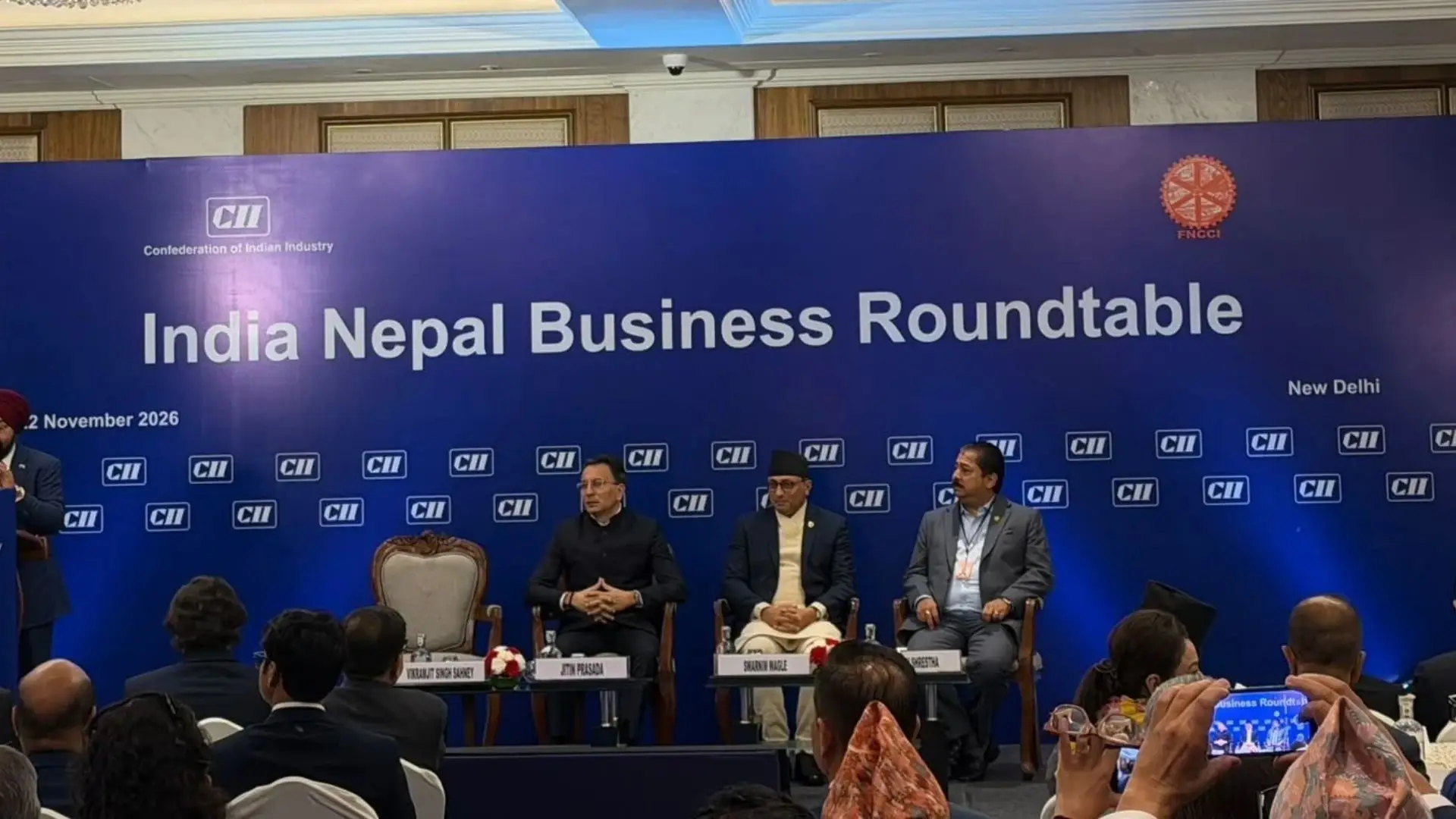
Speaking at the 'Nepal–India Business Roundtable' held in New Delhi on the sidelines of Prime Minister Balendra Shah's official visit to India, Nepali private-sector representatives highlighted persistent bottlenecks restricting Nepali exports to the Indian market despite close bilateral relations.

Responding to the Nepali delegation, Indian Minister of State for Commerce and Industry Jitin Prasada acknowledged strong prospects for bilateral collaboration in Nepal's manufacturing, infrastructure, and tourism sectors, urging both sides to accelerate the pace of economic development.

Nepal's Finance Minister Dr. Swarnim Wagle invited Indian industrialists to expand their footprint in Nepal, assuring them that the government is actively reforming policies to foster a predictable and investor-friendly business climate.

During the interaction, Nepali entrepreneurs pointed out that domestic products continue to face hurdles in accessing Indian markets, citing delays in quality certification renewals and restrictive trade duties on key industrial exports.

Addressing the forum, Federation of Nepalese Chambers of Commerce and Industry (FNCCI) President Anjan Shrestha called for transforming bilateral relations from traditional trade proximity into a modern partnership for economic prosperity. He proposed a seven-point framework prioritizing cooperation across trade, transit, connectivity, infrastructure, energy, investment, and technology.

While India remains Nepal's largest trading partner and top source of foreign direct investment (FDI)—accounting for roughly one-third of Nepal's total FDI stock—Shrestha noted that cumulative Indian private investment still stands below USD 1 billion, far short of its true potential.

To attract foreign capital, Shrestha highlighted recent regulatory reforms in Nepal, including automatic FDI approval across 102 sectors, removal of minimum investment thresholds in key areas, and streamlined licensing through a one-stop service center.

A major focal point of the Nepali business delegation's appeal was the removal of restrictive tariffs on jute and steel products. Shrestha drew attention to the anti-dumping duty imposed by India on Nepali jute since 2017, noting that the sector directly supports thousands of farmers and workers in eastern Nepal. He urged India to view Nepali manufacturers as complementary industrial partners rather than market competitors.

Similarly, he revealed that safeguard duties imposed on steel imports in India caused Nepal's steel exports to plunge by more than 60 percent in the last fiscal year.

Business leaders also voiced frustration over prolonged delays in renewing quality certificates from the Bureau of Indian Standards (BIS) and raw material origin complexities, which frequently leave Nepali consignments stranded at border checkpoints.

To resolve these recurring bottlenecks, Shrestha proposed forming a joint task force between FNCCI and the Confederation of Indian Industry (CII) to study trade barriers, quality standards, and trade remedies, and submit actionable recommendations to both governments.

The Nepali side also pressed for smoother access to Indian seaports, expanded railway cargo capacity, and the upgradation of integrated check posts. CII Director General Vikramjit Singh Sahney echoed these priorities, emphasizing customs modernization and expanded rail freight connectivity.

Highlighting mega-project opportunities, Shrestha noted that while Nepal has signed an agreement to export 10,000 megawatts of electricity to India within the next decade, only a fraction of the country's 40,000-megawatt economically viable hydropower potential has been harnessed so far. He invited Indian firms to invest in hydropower, tourism, agro-processing, pharmaceuticals, cement, IT, and industrial parks, as well as expressways, airports, and urban transit under public-private partnership (PPP) models.

Investment Board Nepal Chief Executive Officer Yangki Ukyab briefed Indian executives on Nepal's updated investment laws and spotlighted the Bhairahawa–Pokhara Expressway as a prime project ready for Indian capital.

Meanwhile, Confederation of Nepalese Industries representatives and former FNCCI President Bhawani Rana underscored the need to deepen bilateral tourism ties through improved air connectivity and joint tourism infrastructure development.

Economic and Trade Interpretation

The New Delhi business roundtable underscores a critical shift in Nepal's economic diplomacy: moving beyond aid-centric bilateral requests toward resolving structural trade deficits and attracting private-sector capital.

Although India accounts for roughly one-third of Nepal's total FDI stock, having cumulative Indian investment remain under USD 1 billion demonstrates that geographical proximity and cultural ties have yet to translate into large-scale industrial capital inflows. By introducing automatic FDI approval in 102 sectors and pitching marquee PPP projects like the Bhairahawa–Pokhara Expressway alongside the 10,000 MW power export roadmap, Kathmandu is signaling readiness to absorb institutional Indian investment.

However, the data shared by Nepali industrialists exposes how non-tariff barriers and protectionist duties undermine Nepal's export competitiveness. The over 60 percent drop in steel exports due to Indian safeguard duties, combined with long-standing anti-dumping tariffs on jute and bureaucratic delays in BIS certification renewals, illustrates that tariff-free market access on paper is often neutralized by regulatory friction at the border.

Establishing a joint FNCCI–CII task force provides an institutional mechanism to address these commercial disputes before they escalate into diplomatic deadlocks. If backed by political will from both New Delhi and Kathmandu, streamlining BIS approvals, upgrading rail cargo corridors, and easing port access could significantly reduce logistics costs and help narrow Nepal's chronic trade deficit with its southern neighbor.

Trending News

  • व्यापारिक अवरोध हटाउन र लगानी बढाउन भारतसँग नेपाली व्यवसायीको आग्रहNepali Business Leaders Urge India to Lift Trade Barriers, Boost Investment at New Delhi Roundtable

    NEPSE TRADING23 Nov, 2026

  • कोप–३१ मा निर्णय पारित हुन नसक्नु निराशाजनक, कार्यान्वयनको युगमा प्रवेश गरिसक्यौँ : साइमन स्टिलFailure to Pass Decision at COP-31 Disappointing; We Have Entered the Era of Implementation: Simon Stiell

    NEPSE TRADING23 Nov, 2026

  • प्रधानमन्त्री शाह र भारतीय समकक्षी मोदीबीच आज भेटवार्ता हुँदै, तल्लो अरुणको शिलान्यास गरिनेPM Shah and Indian Counterpart Modi to Hold Bilateral Talks Today; Lower Arun Hydropower Project to be Inaugurated

    NEPSE TRADING23 Nov, 2026

Related News

  • कोप–३१ मा निर्णय पारित हुन नसक्नु निराशाजनक, कार्यान्वयनको युगमा प्रवेश गरिसक्यौँ : साइमन स्टिलFailure to Pass Decision at COP-31 Disappointing; We Have Entered the Era of Implementation: Simon Stiell
  • प्रधानमन्त्री शाह र भारतीय समकक्षी मोदीबीच आज भेटवार्ता हुँदै, तल्लो अरुणको शिलान्यास गरिनेPM Shah and Indian Counterpart Modi to Hold Bilateral Talks Today; Lower Arun Hydropower Project to be Inaugurated
  • नेपाली बजारमा आजको विदेशी मुद्रा विनिमय दर सार्वजनिक, अमेरिकी डलर १४८ रुपैयाँ ५८ पैसामा कारोबार हुँदैForeign Exchange Rates Announced for Nepali Market; US Dollar Trades at NPR 148.58
  • देशभरको मौसम मुख्यतया सफा, कोशीको तराईमा हल्का वर्षाको सम्भावनाWeather Mainly Fair Across Nepal, Light Rain Likely in Koshi Terai