नीति तथा कार्यक्रमले जगायो बजारमा नयाँ आशाGovernment Policy and Program Sparks New Hope in the Market
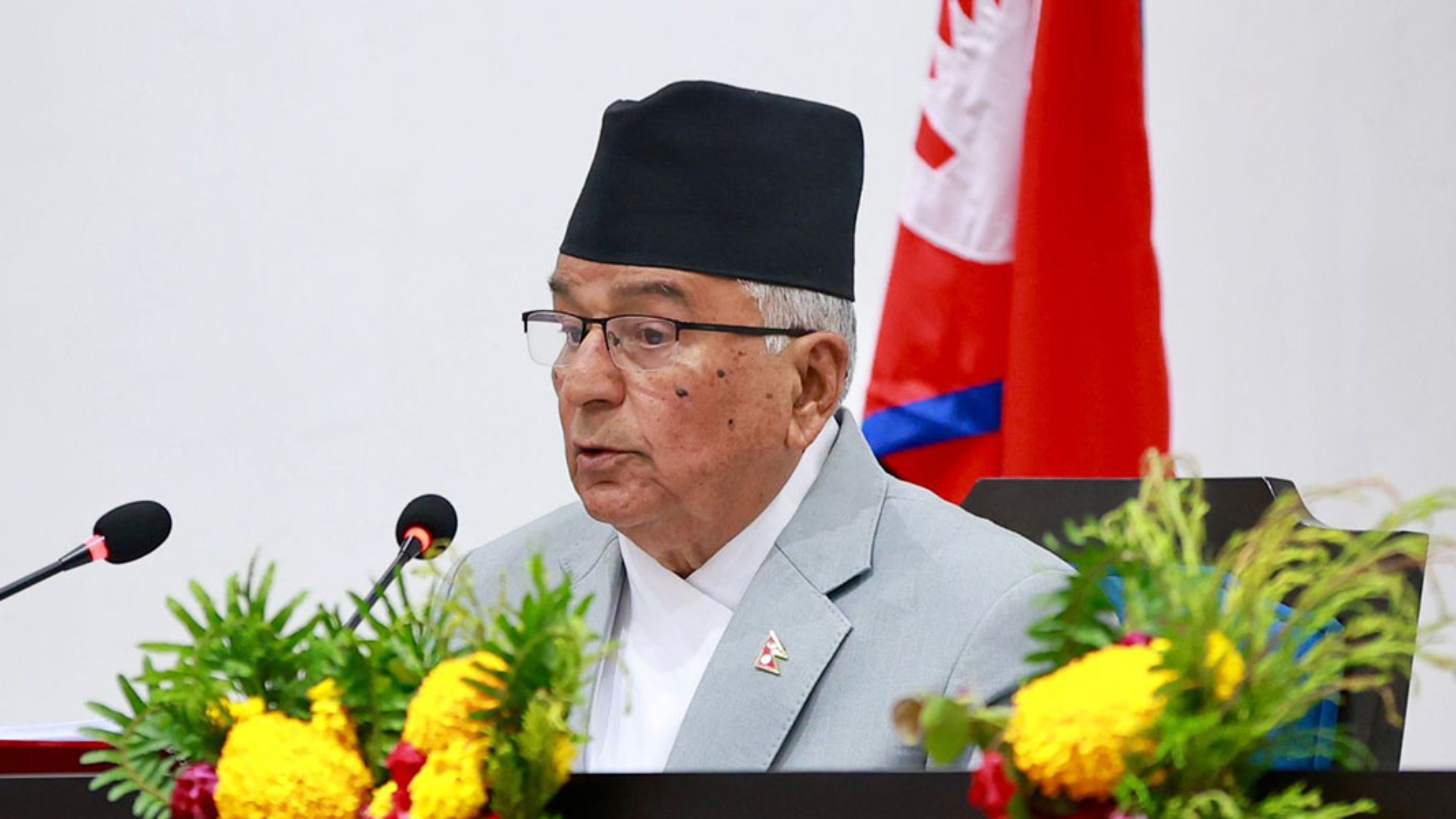
सरकारले आगामी आर्थिक वर्षको नीति तथा कार्यक्रममा पूँजी बजार सुधारलाई प्राथमिकतामा राख्दै नेपाल स्टक एक्सचेञ्ज (नेप्से) को पुनर्संरचना गर्ने घोषणा गरेको छ । राष्ट्रपति Ram Chandra Paudel ले संघीय संसद्को संयुक्त बैठकमा प्रस्तुत गरेको कार्यक्रममा पूँजी बजारलाई थप पारदर्शी, व्यवस्थित र प्रतिस्पर्धी बनाउने लक्ष्यसहित संस्थागत लगानी विस्तारमा जोड दिइएको छ । सरकारले पेन्सन कोष, बीमा कम्पनी, म्युचुअल फण्ड तथा गैरआवासीय नेपाली (एनआरएन) को सेयर बजारमा सहभागिता बढाउने योजना अघि सारेको छ ।
हाल व्यक्तिगत लगानीकर्तामा निर्भर रहेको बजारलाई दीर्घकालीन र स्थिर बनाउने उद्देश्यले यस्तो नीति ल्याइएको विश्लेषण गरिएको छ । यससँगै सरकारले धितोपत्र बजार, नेप्से र क्लियरिङ प्रणालीको पुनर्संरचना गर्ने घोषणा पनि गरेको छ । पूँजी बजारलाई अन्तर्राष्ट्रिय मापदण्डअनुसार विकास गर्ने सरकारी योजनाले लगानीकर्तामा नयाँ आशा थपिएको देखिन्छ ।
०००
सरकारले आगामी आर्थिक वर्ष २०८३/८४ का लागि सार्वजनिक गरेको नीति तथा कार्यक्रमलाई समग्र अर्थतन्त्र र पूँजी बजारका लागि सकारात्मक संकेतका रूपमा हेरिएको छ । नीति तथा कार्यक्रममा पूँजी बजार सुधार, सहकारी क्षेत्रको पुनर्संरचना, औद्योगिक विकास, ऊर्जा विस्तार तथा सूचना प्रविधि प्रवर्द्धनलाई प्राथमिकतामा राखिएको छ ।
सरकारले समस्याग्रस्त सहकारीहरूको कर्जा असुली गरी बचतकर्ताको रकम फिर्ता गर्ने घोषणा गरेको छ । सहकारीबाट उठाइने रकम विशेष कोषमा जम्मा गरी बचतकर्तालाई फिर्ता गरिने उल्लेख गरिएको छ । लामो समयदेखि सहकारी क्षेत्रमा देखिएको विश्वास संकट कम गर्न सरकारले नियामक निकायको क्षमता सुदृढ गर्ने संकेत पनि दिएको छ ।
पूँजी बजार सुधारतर्फ सरकारले संस्थागत लगानी विस्तार गर्ने स्पष्ट नीति अघि सारेको छ । नीति तथा कार्यक्रममा पेन्सन कोष, बीमा कम्पनी, म्युचुअल फन्ड तथा गैरआवासीय नेपालीलाई पूँजी बजारमा सहभागी गराइने उल्लेख गरिएको छ । यससँगै ऋण बजार, बन्ड बजार तथा पूर्वाधार बन्डको विकासमार्फत दीर्घकालीन पूँजी निर्माण गर्ने योजना पनि अघि सारिएको छ ।
विदेशी लगानी आकर्षित गर्न सरकारले ‘लगानी भिसा’ को व्यवस्था गर्ने घोषणा गरेको छ । सरकारले तोकेको सीमा भन्दा बढी लगानी गर्ने विदेशी लगानीकर्तालाई विशेष सुविधा दिने नीति लिइएको हो । विदेशी लगानी सम्बन्धी ऐन संशोधन गर्ने, नेपाललाई ‘टेक हब’ बनाउने तथा सूचना प्रविधि उद्योगलाई कर प्रोत्साहन दिने योजना पनि सार्वजनिक गरिएको छ ।
सरकारले कर संरचनाको पुनरावलोकन गर्दै उद्यमी तथा मध्यमवर्गीय परिवारमाथिको आर्थिक बोझ घटाउने घोषणा गरेको छ । निजी क्षेत्रको मनोबल कमजोर भइरहेको अवस्थामा कर प्रणाली सुधारको घोषणालाई व्यवसायीहरूले सकारात्मक रूपमा लिएका छन् ।
शिक्षा क्षेत्रमा सरकारले माध्यमिक तहसम्म निःशुल्क शिक्षा सुनिश्चित गर्ने घोषणा गरेको छ । पाठ्यपुस्तक र पोसाकको सहज वितरण तथा पाठ्यक्रम पुनरावलोकन गरी गुणस्तरीय शिक्षामा जोड दिने नीति सार्वजनिक गरिएको छ । निजी विद्यालयलाई सेवामुखी बनाउने संकेत पनि सरकारले गरेको छ ।
वैदेशिक रोजगारीमा जाने नेपाली श्रमिकका लागि छुट्टै सेवा लेन र राष्ट्रियस्तरको कल्याणकारी कोष सञ्चालन गरिने उल्लेख छ । यसले विदेश जाने श्रमिकको सेवा प्रवाह सहज बनाउने अपेक्षा गरिएको छ ।
ऊर्जा क्षेत्रमा सरकारले आगामी वर्षहरूमा ३० हजार मेगावाट विद्युत उत्पादनको दीर्घकालीन लक्ष्य अघि सारेको छ । सो लक्ष्य पूरा गर्न वातावरण तथा वनसम्बन्धी कानुन संशोधन गरिने तथा आयोजना प्रभावित स्थानीयलाई मुआब्जाको सट्टा शेयर उपलब्ध गराउने व्यवस्था गरिने उल्लेख गरिएको छ ।
त्यस्तै सरकारले काठमाडौं उपत्यकामा वायु गुणस्तर सुधार योजना ल्याउने, सबै स्थानीय तहमा १२ महिनै सञ्चालन हुने सडक विस्तार गर्ने तथा ठूला अधुरा आयोजना छिट्टै सम्पन्न गर्ने घोषणा गरेको छ । आयोजना कार्यान्वयनमा हुने ढिलाइ हटाउन ‘एकद्वार प्रणाली’ लागू गरिने पनि कार्यक्रममा उल्लेख छ ।
सरकारले नेपाल पर्यटन बोर्डलाई सार्वजनिक–निजी साझेदारी मोडलमा रूपान्तरण गर्ने, ‘भिजिट नेपाल २०८५’ मनाउने तथा नयाँ राष्ट्रिय औद्योगिक नीति तर्जुमा गर्ने घोषणा पनि गरेको छ । व्यापार घाटा न्यूनीकरणका लागि विशेष कार्ययोजना लागू गरिने उल्लेख गरिएको छ ।
संविधान संशोधनका लागि राजनीतिक दलहरूसँग सहकार्य गर्ने घोषणा गर्दै सरकारले भ्रष्टाचारविरुद्ध शून्य सहनशीलताको नीति दोहोर्याएको छ । सार्वजनिक संस्थानमा खर्च कटौती, नगदरहित कारोबार विस्तार तथा ‘सीमारहित अर्थतन्त्र र तौलरहित व्यापार’ को अवधारणालाई पनि नीति तथा कार्यक्रममा समेटिएको छ ।
सरकारले केरुङ–काठमाडौं तथा काठमाडौं–रक्सौल रेलमार्ग सञ्चालनका लागि अध्ययन अघि बढाउने घोषणा गरेको छ । साथै नेपाल कार्बन प्राधिकरण गठन गर्ने र सहकारी नियमनका लागि प्राधिकरणको क्षमता सुदृढ गरिने उल्लेख छ ।
समग्रमा सरकारको आगामी आर्थिक वर्षको नीति तथा कार्यक्रमलाई अर्थतन्त्र चलायमान बनाउने प्रयासका रूपमा हेरिएको छ । विशेषगरी पूँजी बजार पुनर्संरचना, संस्थागत लगानी विस्तार, विदेशी लगानी प्रोत्साहन तथा प्रविधि क्षेत्रलाई प्राथमिकता दिने घोषणाले शेयर बजार र निजी क्षेत्रमा सकारात्मक मनोविज्ञान निर्माण हुने अपेक्षा गरिएको छ । अब संसद्बाट नीति तथा कार्यक्रम पारित भएपछि सरकारले जेठ १५ गते नयाँ बजेट सार्वजनिक गर्नेछ, जसले यी योजनालाई कार्यान्वयनमा लैजान आवश्यक बजेट र कार्ययोजना स्पष्ट पार्नेछ ।

The government has announced plans to restructure the Nepal Stock Exchange (NEPSE) while prioritizing capital market reform in its policy and program for the upcoming fiscal year. President Ram Chandra Paudel, while presenting the government’s annual policy and program at the joint session of the Federal Parliament, stated that the government aims to make the capital market more transparent, organized, and competitive.
The government has also emphasized expanding institutional investment in the stock market. Plans have been introduced to increase the participation of pension funds, insurance companies, mutual funds, and Non-Resident Nepalis (NRNs) in Nepal’s capital market. Analysts believe the move is intended to make the market more stable and long-term oriented, as it is currently heavily dependent on retail investors.
Alongside this, the government has announced the restructuring of securities regulation, NEPSE, and the clearing system. The commitment to develop the capital market according to international standards has created renewed optimism among investors.
The government’s policy and program for fiscal year 2083/84 is being viewed as a positive signal for both the overall economy and the capital market. The policy document prioritizes capital market reform, restructuring of the cooperative sector, industrial development, expansion of the energy sector, and promotion of information technology.
The government has announced plans to recover loans from troubled cooperatives and return depositors’ savings. According to the policy, recovered funds will be placed in a special fund and used to repay affected depositors. The government has also signaled plans to strengthen regulatory mechanisms in an effort to restore public trust in the cooperative sector.
In terms of capital market reform, the government has clearly prioritized expanding institutional investment. The policy includes measures to bring pension funds, insurance companies, mutual funds, and NRNs into the stock market. It has also proposed the development of debt markets, bond markets, and infrastructure bonds to support long-term capital formation.
To attract foreign investment, the government has announced the introduction of an “Investment Visa.” Foreign investors investing above a certain threshold set by the government will be eligible for special facilities. The government also plans to amend foreign investment laws, develop Nepal as a “tech hub,” and provide tax incentives to the information technology sector.
The government has further announced a review of the tax structure to reduce the burden on entrepreneurs and middle-class families. Business communities have welcomed the announcement positively, especially at a time when private sector confidence has remained weak.
In the education sector, the government has pledged to ensure free education up to the secondary level. The policy also mentions easy distribution of textbooks and uniforms, curriculum revisions, and efforts to improve the quality of education. The government has also hinted at making private schools more service-oriented.
For Nepali workers going abroad for employment, the government plans to introduce separate service lanes and operate a national welfare fund aimed at improving service delivery for migrant workers.
In the energy sector, the government has set a long-term target of producing 30,000 megawatts of electricity in the coming years. To achieve this goal, the government plans to amend environmental and forest-related laws and provide shares to project-affected locals instead of only compensation.
Similarly, the government has announced plans to improve air quality in the Kathmandu Valley, expand all-weather road access to every local level, and accelerate the completion of large unfinished infrastructure projects. A “one-door system” is also planned to reduce delays in project implementation.
The government has further announced plans to transform the Nepal Tourism Board into a public-private partnership model, celebrate “Visit Nepal 2085,” and formulate a new national industrial policy. A special action plan to reduce the trade deficit will also be implemented.
While reiterating a zero-tolerance policy against corruption, the government has also announced plans to work with political parties on constitutional amendments. The policy additionally includes reducing expenses in public enterprises, expanding cashless transactions, and promoting the concept of a “borderless economy and weightless trade.”
The government has also announced studies for the operation of the Kerung–Kathmandu and Kathmandu–Raxaul railway projects. It also plans to establish a Nepal Carbon Authority and strengthen the capacity of authorities regulating the cooperative sector.
Overall, the government’s policy and program is being viewed as an attempt to revive economic activity and strengthen investor confidence. In particular, announcements related to capital market restructuring, institutional investment expansion, foreign investment promotion, and technology sector prioritization are expected to create positive sentiment in both the stock market and the broader private sector. Attention will now shift toward the national budget to be unveiled on Jestha 15, which is expected to allocate resources and provide clearer implementation plans for these policies.