
 Investor
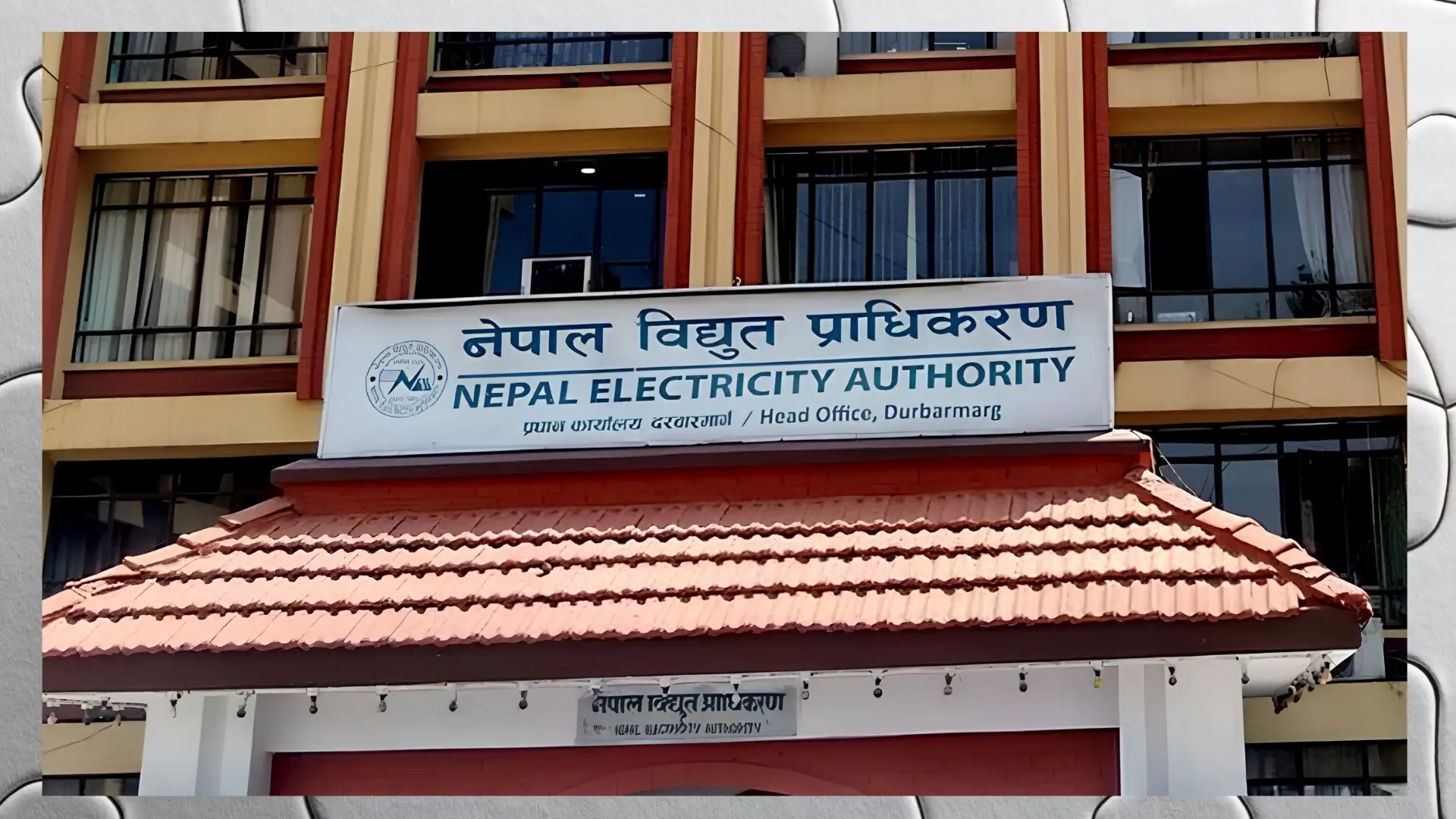
बिमा नहुँदा बाढीले क्षति पुर्याएका प्राधिकरणका तीन आयोजनामा २५ अर्ब नोक्सानUninsured Hydro Projects Damaged by Floods Cost Nepal Electricity Authority Rs 25 Billion
प्रिमियम बचाउने बहानामा राज्यको अर्बौंको सम्पत्ति असुरक्षित राख्दा एकैपटक २५ अर्बको नोक्सानी भएको छ। बिमा गरेको भए दाबी भुक्तानीमार्फत राज्यको ढुकुटी जोगिने विज्ञहरूको भनाइ छ। यति ठूलो घाटा पूर्ति गर्न भविष्यमा प्राधिकरणले सर्वसाधारण उपभोक्ताको विद्युत् महसुल नै बढाउन सक्ने जोखिमसमेत सरोकारवालाहरूले औंल्याएका छन्।Insurance sector experts, however, have strongly criticized this approach, calling the failure to transfer risk a critical administrative oversight. Representatives from the Non-Life Insurers' Association pointed out that natural disasters do not provide advance warnings, and relying on past safety records to bypass insurance on vital national infrastructure creates unnecessary systemic vulnerability. Analysts warn that absorbing a Rs 25 billion deficit directly could ultimately force the utility to offset losses through future electricity tariff increases for consumers.
NEPSE TRADING1 min read Investor
माथिल्लो तामाकोसीमा ६ अर्बको अनधिकृत खर्च, तत्कालीन एमडी घिसिङसहितका अधिकारी तानिएUnauthorized Expenditure of Rs 6 Billion in Upper Tamakoshi; Former NEA MD Ghising and Top Officials Implicated
आयोजनाभित्रको आर्थिक अपारदर्शिता २१ मेगावाटको रोल्वालिङ खोला जलविद्युत् आयोजनामा पनि देखिएको छ। सामान्यतया प्रतिमेगावाट २० देखि २५ करोड रुपैयाँमा सम्पन्न हुनुपर्ने आयोजनाको लागत अस्वाभाविक रूपमा बढाएर प्रतिमेगावाट ५५ देखि ६० करोड रुपैयाँसम्म पुर्याइएको छ। यसरी लागत बढाउँदा आयोजनाको आर्थिक प्रतिफल कमजोर हुने र दोस्रो बजारमा महँगो मूल्य तिरेर सेयर किनेका लाखौं सर्वसाधारण लगानीकर्ताहरू मारमा पर्ने निश्चित छ। यसले संस्थागत सुशासनमाथि नै गम्भीर प्रश्न खडा गरेको छ।Similar financial opacity has been observed in the 21 MW Rolwaling Khola Hydropower Project. While the standard construction cost for such projects generally ranges from Rs 200 million to Rs 250 million per megawatt, the cost for Rolwaling has unnaturally escalated to between Rs 550 million and Rs 600 million per megawatt. This abnormal cost inflation is expected to severely undermine the project's financial returns, directly victimizing hundreds of thousands of retail investors who purchased shares at premium prices in the secondary market. These actions have raised serious questions regarding the corporate governance of the project.
NEPSE TRADING1 min read Stock
Stockसम्पत्ति शुद्धीकरणमा नेपालको जोखिम ‘मध्यम–उच्च’ : कानुन छ, कार्यान्वयन फितलोNepal’s Money Laundering Risk Remains ‘Medium-High’ Amid Weak Implementation
सम्पत्ति शुद्धीकरण नियन्त्रणमा परिणाममुखी कदम चाल्न नसकेकै कारण अन्तर्राष्ट्रिय संस्था ‘वित्तीय कारबाही कार्यदल (एफएटीएफ)’ ले नेपाललाई सन् २०२५ फेब्रुअरीदेखि नै ‘बढाइएको निगरानी’ (इन्क्रिज्ड मोनिटरिङ) मा राखेको छ। लामो न्यायिक प्रक्रियाले अवैध सम्पत्ति जफतमा ढिलाइ हुने गरेकाले अब अदालतको अन्तिम फैसला नकुरीकनै सम्पत्ति जफत गर्न सक्ने (गैरदोषसिद्धि जफत) व्यवस्था गर्न सरकारलाई सुझाइएको छ। नेपालले अब नयाँ कानुन थप्नेभन्दा पनि वित्तीय अपराधको ‘फलो द मनी’ पद्धति अपनाएर भएकै कानुनको कडा कार्यान्वयनमा लाग्नुपर्ने देखिएको छ।Due to the lack of result-oriented actions in controlling money laundering, the Financial Action Task Force (FATF) has kept Nepal under 'increased monitoring' since February 2025. To expedite the recovery of illicit wealth, the assessment suggests introducing non-conviction-based civil confiscation, which would allow authorities to seize assets without waiting for lengthy final court verdicts. Moving forward, the report emphasizes that Nepal must prioritize the strict enforcement of existing laws by aggressively adopting a 'follow the money' approach, rather than merely creating new legislation.
NEPSE TRADING1 min read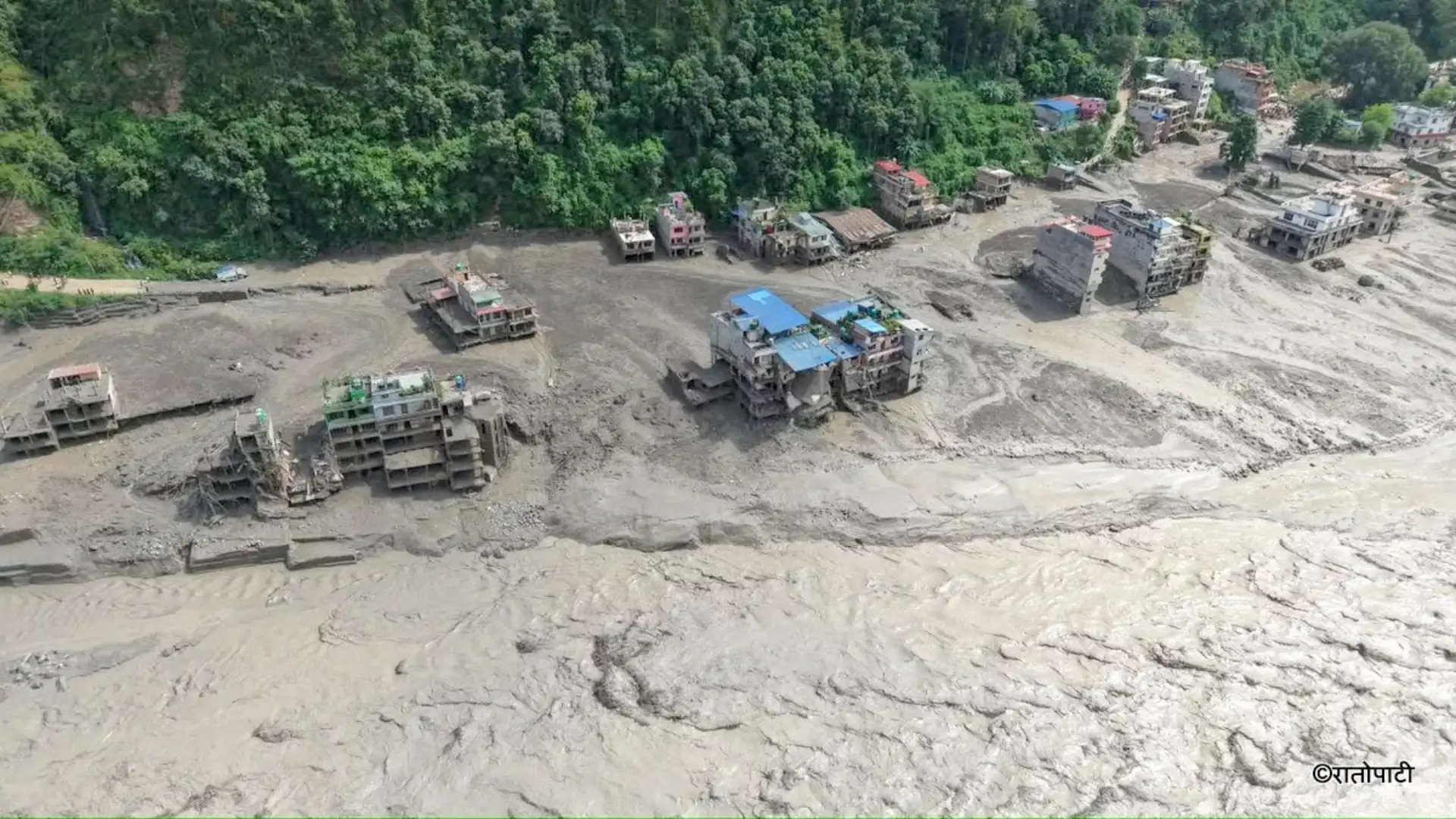 Investor
भोटेकोशी बाढीको आर्थिक धक्का : पर्यटन र विद्युत् निर्यात प्रभावित, विदेशी मुद्रा आर्जनमा चुनौतीEconomic Blow of Bhote Koshi Floods: Tourism and Power Exports Hit Hard, Foreign Reserves Face Pressure
यो विपद्ले भौतिक क्षति र पुनर्निर्माणको खर्च मात्र बढाएको छैन, देशको समग्र सेवा निर्यात र बाह्य अर्थतन्त्रमै गहिरो प्रभाव पारेको छ। तसर्थ, सरकार र पर्यटन बोर्डले कूटनीतिक नियोगहरूमार्फत नेपालका कुन–कुन गन्तव्य सुरक्षित छन् भन्ने स्पष्ट सन्देश अन्तर्राष्ट्रिय बजारमा प्रवाह गर्नुपर्ने टड्कारो आवश्यकता देखिएको छ। यसका साथै, भविष्यमा पूर्वाधार निर्माण गर्दा जलवायु परिवर्तन र प्राकृतिक प्रकोपको जोखिमलाई थेग्न सक्ने 'जलवायु–अनुकूलित' (Climate-resilient) संरचना बनाउनुको विकल्प नरहेको विज्ञहरूले औँल्याएका छन्।The economic fallout of this disaster extends far beyond immediate reconstruction costs, posing a deeper threat to the nation's overall service exports and external economy. Experts emphasize that the government and the Nepal Tourism Board must urgently mobilize diplomatic missions to broadcast clear, accurate information to the global market regarding safe travel zones. Furthermore, stakeholders stress that moving forward, Nepal has no alternative but to adopt 'climate-resilient' infrastructure designs capable of withstanding the escalating risks of natural disasters.
NEPSE TRADING1 min read