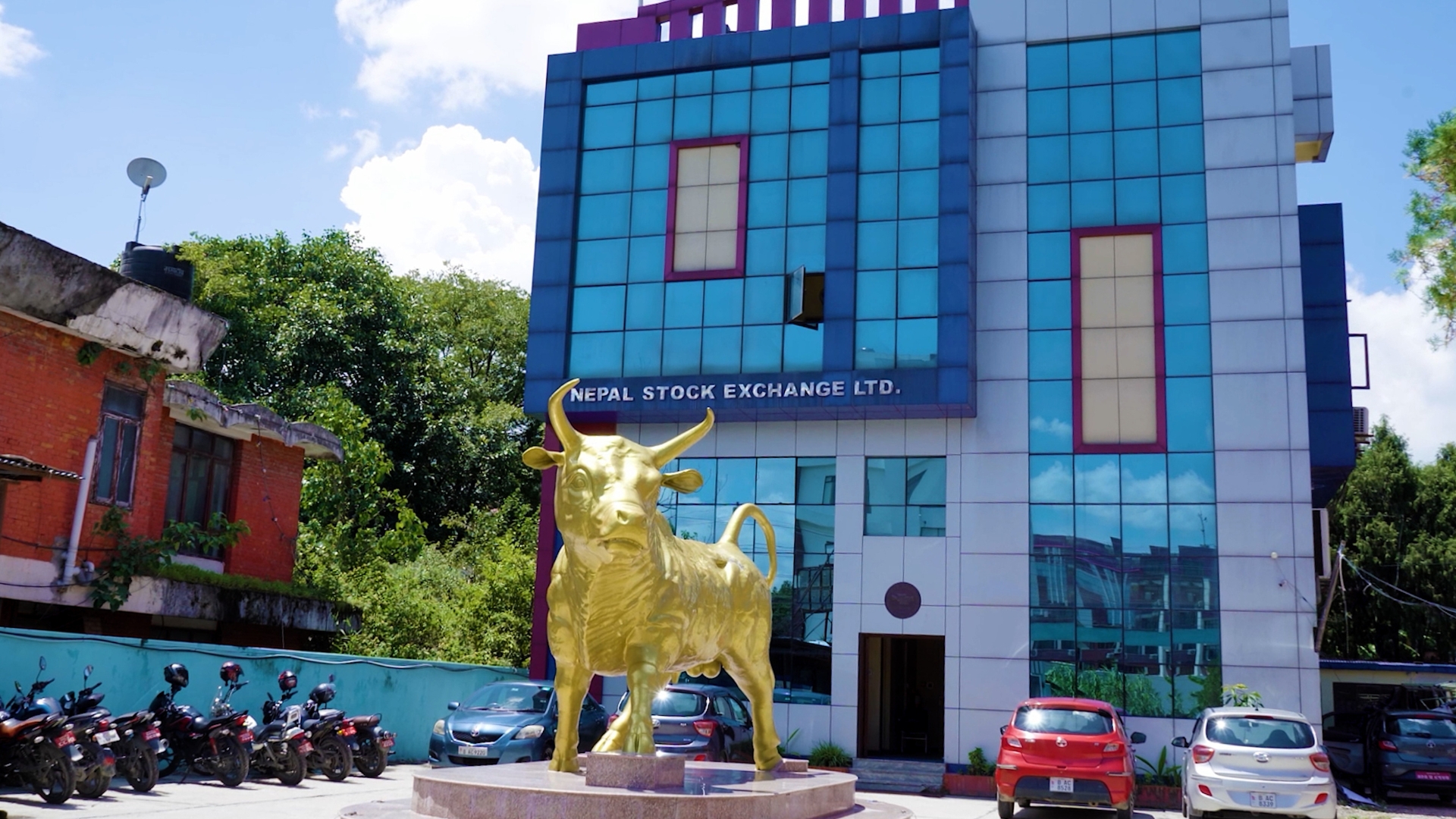
Top3 min readNEPSE Gains 2 Percent After Sharp Correction, Hints at Recovery but Volatility PersistsNEPSE Gains 2 Percent After Sharp Correction, Hints at Recovery but Volatility Persists The Nepal Stock Exchange (NEPSE) index recorded a modest recovery in the past week, rising by 2 percent after a significant decline in the previous session. The benchmark index, which opened the week at 2,782.16 points, gained 55.60 points to close at 2,837.78. This rebound comes on the heels of a 5.69 percent drop in the prior week, leading analysts to interpret the recent movement as a relief rally rather than a confirmed trend reversal. While the upward movement has restored some confidence among investors, the sustainability of this momentum remains under close watch.Dipesh Ghimire·13 Apr, 2026
Top3 min readCabinet Discloses Assets Within 17 Days, Signaling Shift Toward TransparencyCabinet Discloses Assets Within 17 Days, Signaling Shift Toward Transparency In a move that marks a notable departure from past practice, members of the Council of Ministers under Prime Minister Balen Shah have publicly disclosed their personal asset details within just 17 days of the government’s formation. While previous administrations often limited such disclosures to internal submission, this time the information has been made accessible to the public, indicating an attempt to institutionalize transparency and accountability at the highest level of governance.Dipesh Ghimire·13 Apr, 2026
NEPSE8 min readNepal's Capital Market at a Crossroads: Investors Demand Action, Not PromisesNepal's Capital Market at a Crossroads: Investors Demand Action, Not Promises KATHMANDU — For as long as most participants in Nepal's stock market can remember, the cycle has been frustratingly familiar. Committees are formed, policies are announced, speeches are delivered — and then, almost invariably, nothing changes. The Nepal Stock Exchange continues to operate with the same structural vulnerabilities, the same regulatory gaps, and the same policy ambiguities that have kept it from realizing anything close to its genuine potential. Now, against the backdrop of a technically fragile market where the NEPSE index is hovering at critical support levels and large institutional investors have largely retreated to the sidelines, a comprehensive 16-point reform agenda has emerged from market analysts and investor communities — one that goes well beyond wishful thinking and lays out, with unusual specificity, exactly what needs to happen and why. The central message is blunt: the time for words has passed. What Nepal's capital market needs now is action.Dipesh Ghimire·8 Apr, 2026
Top5 min readCeasefire Announcement Sends Asian Markets Surging, Oil Prices Crash in Historic Single-Day DropCeasefire Announcement Sends Asian Markets Surging, Oil Prices Crash in Historic Single-Day Drop A fragile but consequential peace signal emerged from one of the world's most volatile geopolitical flashpoints on Wednesday, as Iran, the United States, and Israel announced a two-week ceasefire agreement that sent immediate and powerful shockwaves through global financial markets. Asian stock exchanges, which had been operating under the shadow of escalating Middle Eastern tensions for months, responded with some of their sharpest single-session gains in recent memory. Oil prices, meanwhile, recorded one of their most dramatic single-day collapses in years. The world, it seems, had been holding its breath — and Wednesday morning, it finally exhaled.Dipesh Ghimire·8 Apr, 2026
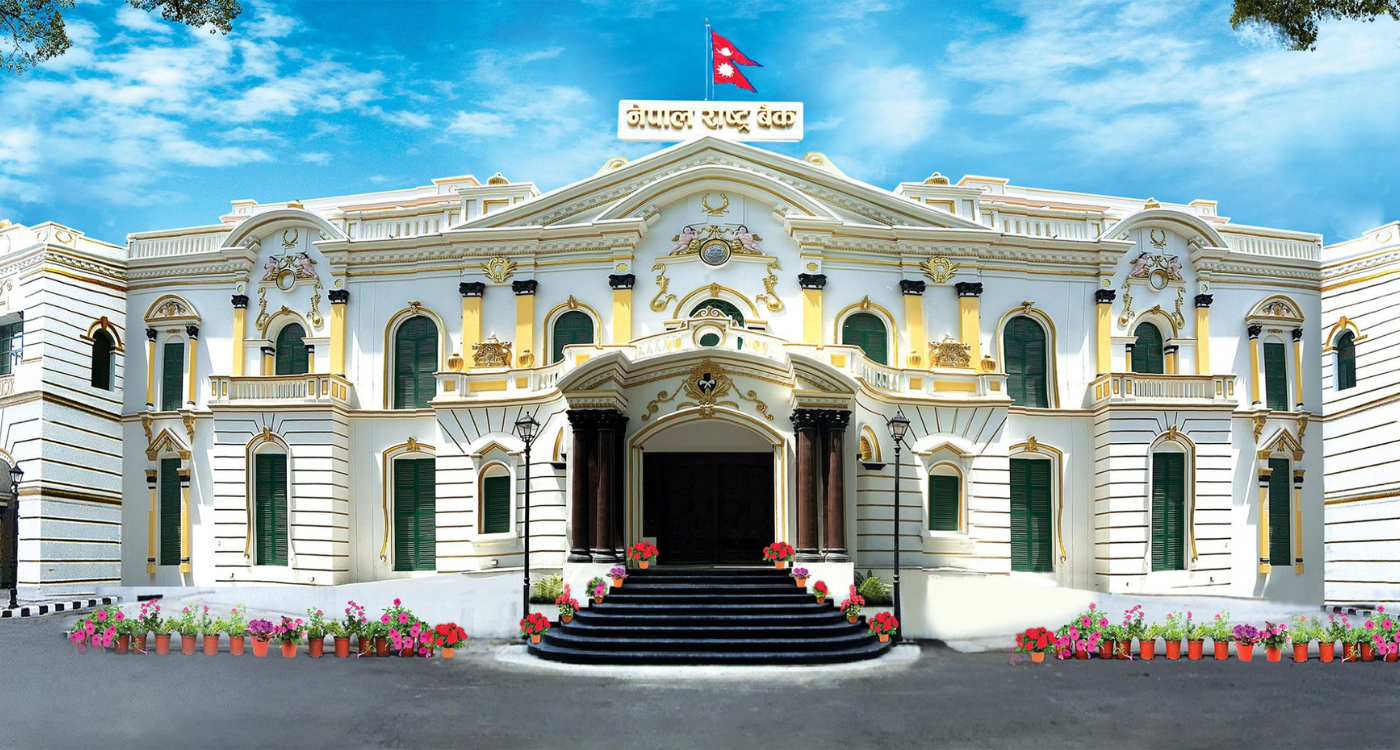
NRB4 min readNepal Appoints Kiran Pandit as Deputy Governor of Nepal Rastra BankNepal Appoints Kiran Pandit as Deputy Governor of Nepal Rastra Bank KATHMANDU — In a move that signals the government's intent to restore full leadership at the country's central bank, the Council of Ministers on Tuesday approved the appointment of Kiran Pandit as Deputy Governor of Nepal Rastra Bank. The decision, taken during a cabinet meeting, fills one of two deputy governor positions that had remained vacant for an extended period — a prolonged leadership gap that had drawn quiet concern among financial sector observers and banking industry insiders alike. With this appointment, the government appears to be acknowledging that a central bank operating without its full complement of senior leadership is a structural vulnerability that can no longer be left unaddressed.Dipesh Ghimire·8 Apr, 2026
NEPSE4 min readNEPSE at Crossroads: Which Direction Will the Market Take Today?NEPSE at Crossroads: Which Direction Will the Market Take Today? KATHMANDU — After Monday's impressive single-day surge of 83 points that had briefly rekindled investor optimism, Nepal's stock market pulled back on Tuesday, closing at 2,757.40 points — down just 2.61 points. While the decline itself appears modest on paper, the story the chart tells is far more unsettling. The index climbed as high as 2,794 during the session, only to be dragged back down by selling pressure before the close. In technical analysis, this pattern is known as a "bearish rejection" — and it is rarely a signal to be taken lightly. As the market prepares to open on Wednesday, investors find themselves caught between cautious hope and quiet anxiety.Dipesh Ghimire·8 Apr, 2026
Top2 min readNEPSE Under Pressure Amid Scam Fears: What Next for the Market Today?NEPSE Under Pressure Amid Scam Fears: What Next for the Market Today? — Confidence Crisis, Technical Breakdown, and Policy Uncertainty Weigh on Investors Kathmandu — Nepal’s stock market is currently facing an intense phase of volatility, driven by ongoing investigations into major market players and growing concerns over a large-scale financial “scam.” After a sharp decline of over 100 points in the previous session, breaking key support levels, investors are now closely watching where the market heads today. The situation has evolved beyond normal market fluctuations into a deeper battle of confidence and sentiment.Dipesh Ghimire·6 Apr, 2026
Top2 min readNepal’s Trade Structure Reveals Consumption-Driven Economy as Terms of Trade Slightly ImproveNepal’s Trade Structure Reveals Consumption-Driven Economy as Terms of Trade Slightly Improve Kathmandu — Nepal’s external sector continues to highlight deep structural characteristics, with the composition of exports and imports clearly indicating a consumption-driven economy and limited industrial depth. According to data up to Falgun of fiscal year 2082/83, the structure of foreign trade shows a significant dominance of final consumption goods in exports, while imports remain heavily concentrated in intermediate and capital goods.Dipesh Ghimire·5 Apr, 2026
Top2 min readNepal’s Trade Deficit Widens Despite Strong Export Growth, Import Pressure PersistsNepal’s Trade Deficit Widens Despite Strong Export Growth, Import Pressure Persists Kathmandu — Nepal’s external sector continues to reflect a structurally imbalanced trade pattern, as rising exports are still overshadowed by a sharp increase in imports. According to data from the first eight months of fiscal year 2082/83 (up to Falgun), the country’s total merchandise exports grew by 20.8 percent to reach Rs. 191.11 billion. While this growth appears encouraging on the surface, it marks a slowdown compared to the 57.2 percent surge recorded in the same period last year, indicating that export momentum is gradually weakening.Dipesh Ghimire·5 Apr, 2026
Nepal’s inflation2 min readWholesale Inflation Moderates in Nepal as Consumer Prices Stay Slightly Above IndiaWholesale Inflation Moderates in Nepal as Consumer Prices Stay Slightly Above India Kathmandu — Nepal’s inflation dynamics continue to show signs of stability, with both wholesale and consumer price indicators reflecting a controlled economic environment. According to the latest data up to Falgun of fiscal year 2082/83, the year-on-year wholesale inflation stood at 3.64 percent, marking a notable decline from 4.43 percent recorded in the same month last year. This moderation in wholesale prices indicates easing cost pressures at the production and distribution levels, which could help sustain low consumer inflation in the coming months.Dipesh Ghimire·5 Apr, 2026