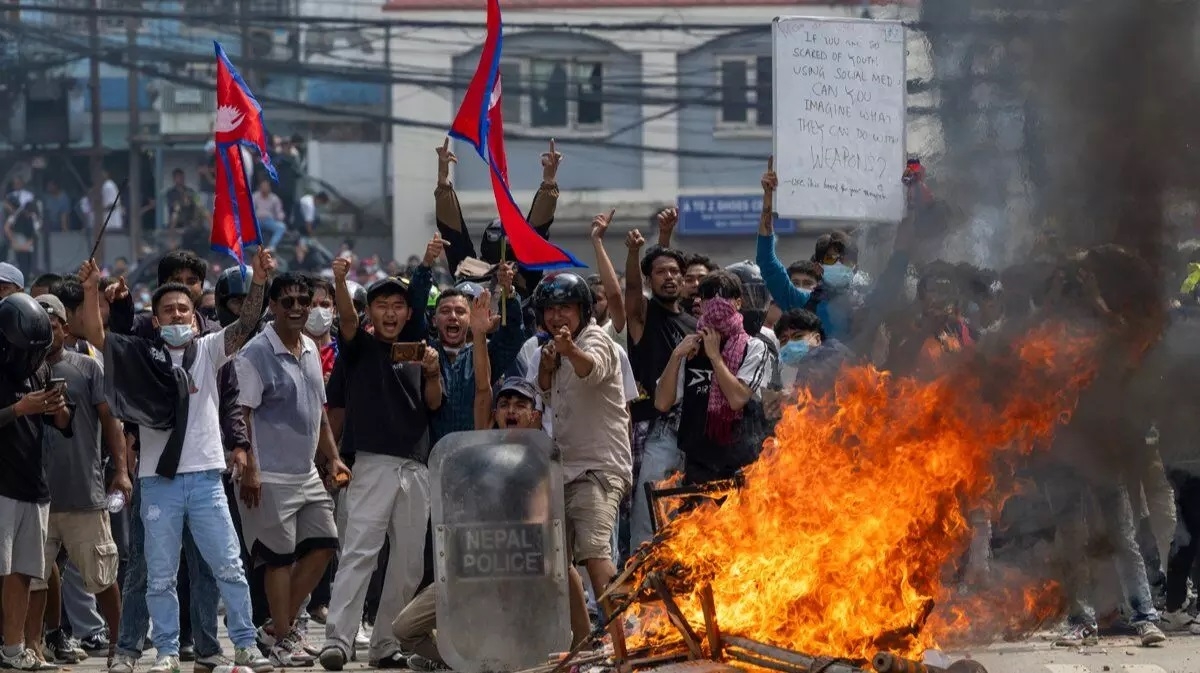
Investment Security4 min readuaranteeing Investment Security Is Key to Revival as Nepal’s Private Sector Seeks to Rise from the Ashesuaranteeing Investment Security Is Key to Revival as Nepal’s Private Sector Seeks to Rise from the Ashes Nepal stands at a delicate crossroads following the Gen-Z–led movement of Bhadau 23 and 24, 2082. While the protests have reignited public hope for reduced corruption and stronger governance, they have also left behind deep scars—particularly on the country’s private sector. As an interim government attempts to respond to demands for reform and accountability, the challenge now lies in restoring confidence among entrepreneurs whose assets, businesses and livelihoods were directly affected during the unrest. During the movement, incidents of arson, vandalism and looting targeted not only state symbols but also private enterprises. For business owners who had invested years of effort, loans and personal savings into building enterprises, the destruction was devastating. Shops were burned, factories vandalized and, in some cases, even private residences were attacked. This has reinforced a long-standing fear within Nepal’s business community: that during periods of political upheaval, private property becomes an easy target.Dipesh Ghimire·5 Jan, 2026
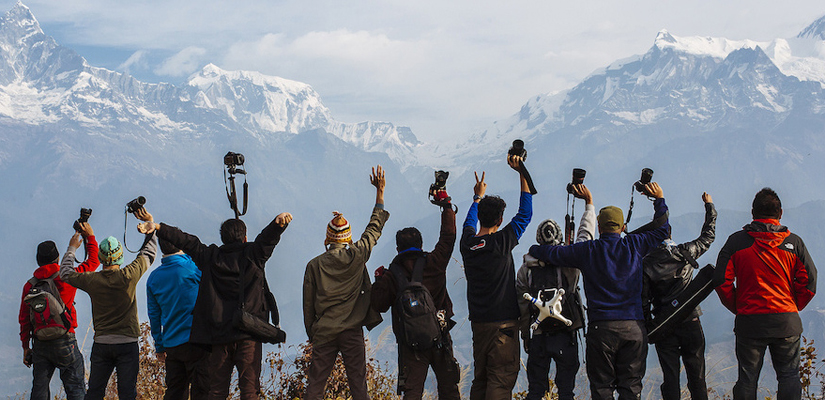
Top5 min readTourism as Nepal’s Economic Backbone and Cultural Soul: Promise, Progress and Persistent ChallengesTourism as Nepal’s Economic Backbone and Cultural Soul: Promise, Progress and Persistent Challenges Tourism in Nepal is more than an economic activity; it is an expression of the nation’s soul, culture and identity. Despite its small size on the world map, Nepal stands out globally for its extraordinary geographical diversity, ranging from the lowlands of the Tarai to the summit of Mount Everest. This rare vertical span, combined with rich biodiversity and deep-rooted cultural heritage, has positioned Nepal as a unique destination for leisure travelers, researchers, pilgrims and adventure seekers alike. The coexistence of nature, culture and living traditions has long given Nepal a distinct advantage in the global tourism landscape.Dipesh Ghimire·5 Jan, 2026
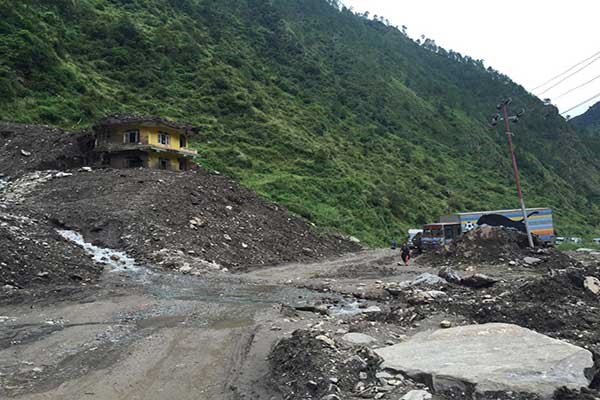
Neglect in Infrastructure: A C4 min readNeglect in Infrastructure: A Crisis of Priorities and Execution in Nepal’s Development AgendaNeglect in Infrastructure: A Crisis of Priorities and Execution in Nepal’s Development Agenda Nepal’s economic, social, and geographic realities make infrastructure development far more than a matter of convenience. Roads, bridges, airports, energy systems, and irrigation networks directly shape the quality of life of citizens, determine the pace of economic growth, strengthen national integration, and influence the country’s competitiveness in the regional and global arena. Yet, despite decades of planning and repeated political commitments, Nepal continues to struggle with weak prioritization, fragmented investment, and poor execution in infrastructure development. One of the most persistent problems is the absence of a clear, long-term national vision that translates into disciplined budget allocation. Hundreds of infrastructure projects—ranging from highways and bridges to hydropower, irrigation, and tourism facilities—remain stalled midway. Instead of concentrating resources on a limited number of high-impact projects, the state has spread its budget thinly across numerous small and low-priority schemes. This approach has diluted outcomes and delayed the economic returns that well-planned infrastructure is supposed to generate.Dipesh Ghimire·5 Jan, 2026
Investment Security in Nepal 4 min readGen-Z Protests Raise Governance Issues, But Violence Sparks Serious Concerns Over Investment Security in NepalGen-Z Protests Raise Governance Issues, But Violence Sparks Serious Concerns Over Investment Security in Nepal Kathmandu — The recent Gen-Z–led protests in Nepal began with legitimate and widely shared demands, including calls for good governance, transparency, and a corruption-free society. These issues have long been echoed by the private sector and civil society alike. However, the situation took a troubling turn on the second day of demonstrations, when violence, vandalism, looting, and arson targeted private properties and business establishments, creating fear and uncertainty across the investment community. While the right to peaceful protest is a cornerstone of democracy, the violent acts witnessed during the movement have been widely criticized as unjustifiable. The destruction of commercial buildings and attacks on private enterprises have raised fundamental questions: How can investors be encouraged to invest, and how can investment security be ensured, if businesses themselves become targets during public unrest?Dipesh Ghimire·4 Jan, 2026
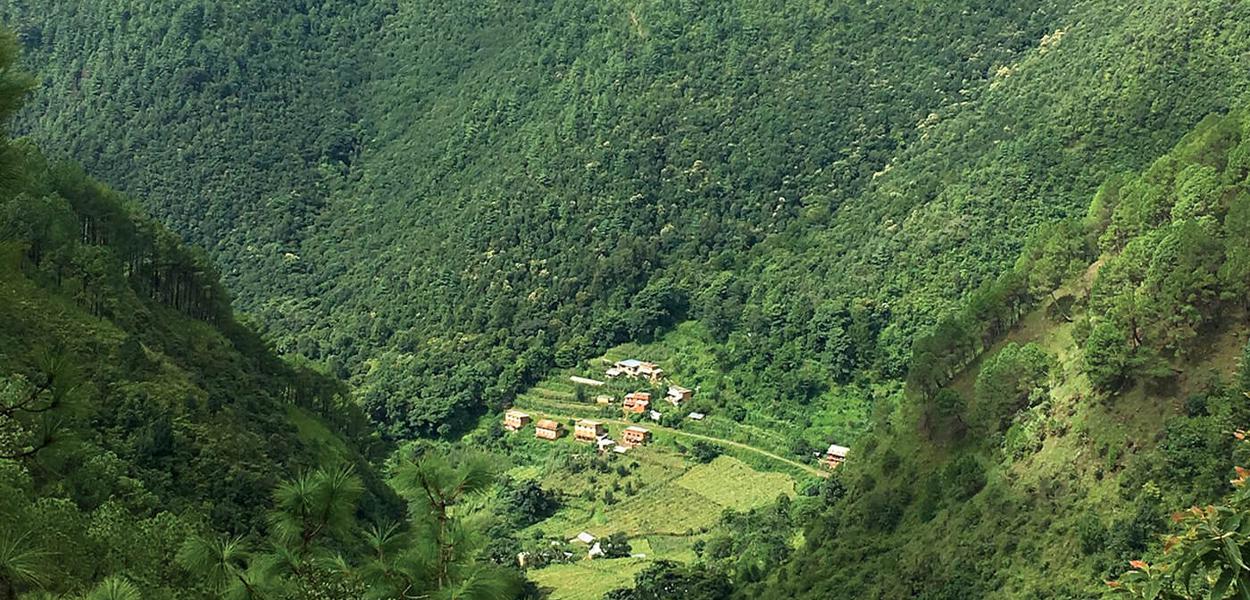
Nepal’s Forest Wealth4 min readNepal’s Forest Wealth: A Green Giant Yet to Power National ProsperityNepal’s Forest Wealth: A Green Giant Yet to Power National Prosperity Nepal is a country endowed with remarkable natural wealth. Nearly 45 percent of its land area is covered by forests, making greenery not only a defining feature of the landscape but also a core element of national identity. Over the past three decades, Nepal’s community forestry model has earned global recognition as a successful example of participatory natural resource management. More than 22,000 community forest user groups today manage millions of hectares of forest land, contributing significantly to forest conservation, biodiversity protection, and local livelihoods. Yet, despite this vast potential, a paradox persists: Nepal continues to import billions of rupees worth of timber and wood-based products, while trees rot unused inside its own forests. This contradiction has raised fundamental questions about forest governance, policy design, and the country’s development priorities.Dipesh Ghimire·4 Jan, 2026
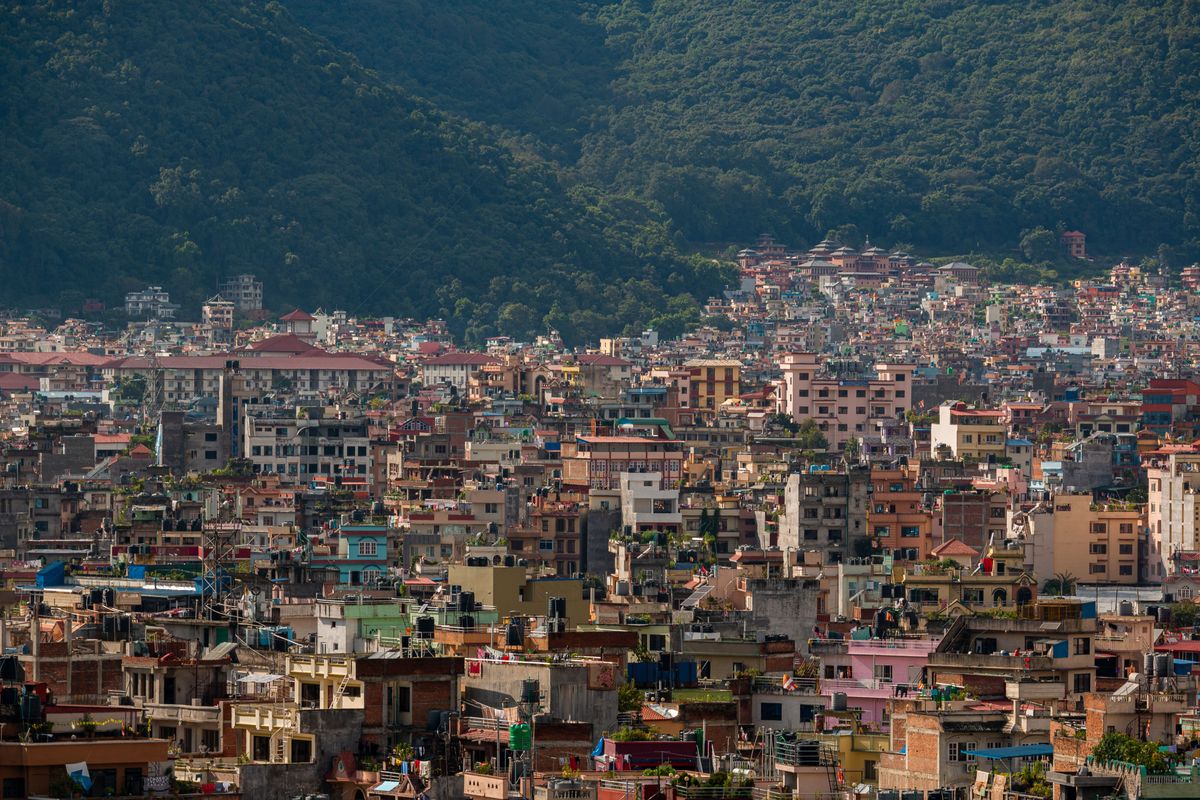
Popular News5 min readUnplanned Urbanization Leaves Nepal’s Cities Strained as Vision for New Cities StallsUnplanned Urbanization Leaves Nepal’s Cities Strained as Vision for New Cities Stalls Kathmandu — Nepal’s rapid and largely unplanned urbanization has emerged as one of the country’s most pressing long-term challenges, raising serious concerns about livability, sustainability, and the future of its cities—especially the capital, Kathmandu. The trend of rural-to-urban migration began accelerating in 1996 (2052 BS) with the outbreak of the Maoist armed conflict, as insecurity pushed people toward urban centers. After the peace process, the movement intensified. Earnings from foreign employment further fueled the trend, as returning migrant workers invested heavily in urban land and housing. However, while cities expanded rapidly, the state failed to build urban infrastructure at a pace capable of supporting this growth.Dipesh Ghimire·4 Jan, 2026
FDI 4 min readNepal Emerges as a Renewed Destination for Foreign Direct InvestmentNepal Emerges as a Renewed Destination for Foreign Direct Investment Kathmandu — Nepal is gradually positioning itself as a promising destination for Foreign Direct Investment (FDI), with new opportunities opening across energy, tourism, agriculture, infrastructure, and information technology. A combination of political stability, policy reforms, and improving access to regional and global markets is strengthening the country’s appeal to international investors seeking long-term and sustainable returns. In recent years, Nepal has intensified efforts to make foreign investment more transparent, efficient, and predictable. Two key institutions — the Investment Board Nepal (IBN) and the Department of Industry (DoI) — have taken leading roles in streamlining investment facilitation and project implementation.Dipesh Ghimire·4 Jan, 2026
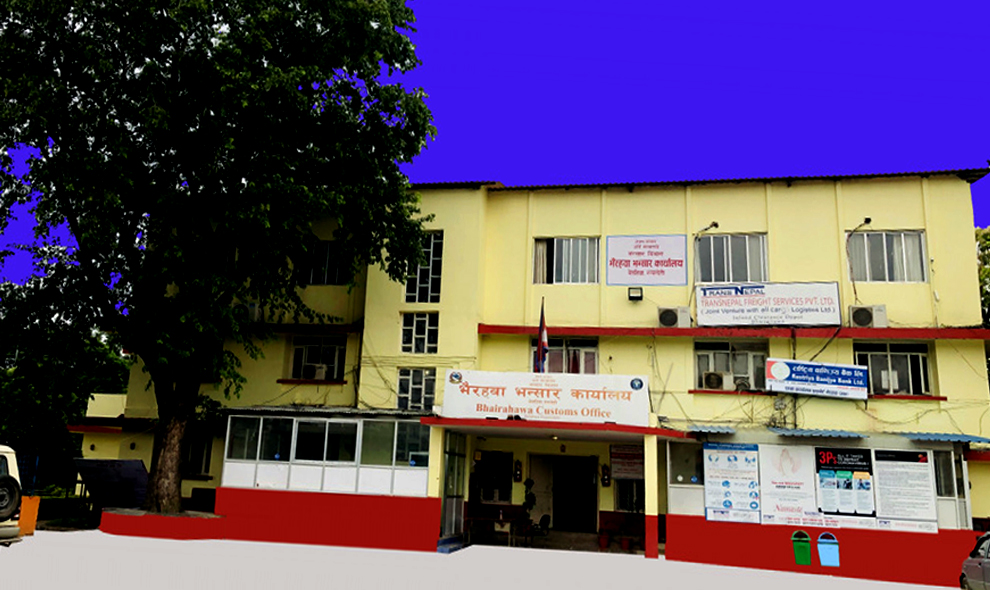
Popular News3 min readNepal Rolls Out Database-Based Customs Valuation System Nationwide, Ending Decades-Old Reference PricingNepal Rolls Out Database-Based Customs Valuation System Nationwide, Ending Decades-Old Reference Pricing Kathmandu — In a major step toward modernizing trade administration, Nepal has implemented a database-based online customs valuation system across all customs offices in the country. The reform, introduced to enhance transparency, efficiency, and predictability in international trade, replaces the long-standing reference price mechanism that had been in use for more than two decades. The nationwide rollout was formally announced during a Customs Management Seminar held in Kathmandu, where Department of Customs confirmed that the new system has now become mandatory at every customs office. The initiative is aimed at reducing trade-related costs, minimizing disputes, and aligning Nepal’s customs practices with global standards.Dipesh Ghimire·4 Jan, 2026
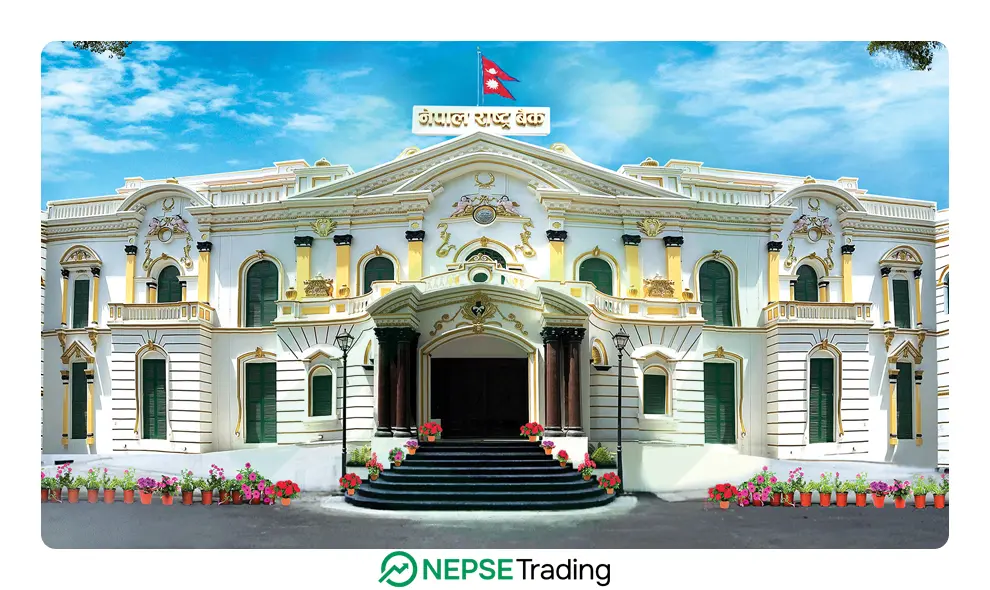
Popular News2 min readNepal’s Economy Poised for Above-Average Growth Amid Monetary Easing and Improved FundamentalsNepal’s Economy Poised for Above-Average Growth Amid Monetary Easing and Improved Fundamentals Kathmandu — Nepal’s economy is expected to record above-average growth, supported by accommodative monetary policies, improving domestic conditions, and a favorable external environment, according to a recent assessment by Nepal Rastra Bank (NRB). The projection is based on the Integrated Annual Economic Activity Study Report for Fiscal Year 2024/25 (FY 2081/82) prepared by NRB’s Economic Research Department. The report highlights that easing monetary conditions have played a key role in expanding economic activities across multiple sectors.Dipesh Ghimire·4 Jan, 2026
Top4 min readRavi Lamichhane and Balen Shah: A New Political Alliance Shaping Nepal’s FutureRavi Lamichhane and Balen Shah: A New Political Alliance Shaping Nepal’s Future Recent political developments in Nepal have created a stir, particularly after the June-July protests which sparked a significant shift in the country's political landscape. Following the fall of the Congress-CPN-UML government, a new coalition led by Shushila Karki emerged, but political instability remained prevalent. As the dust settles, new and old parties are gradually aligning, with some striking new alliances that could reshape Nepal's political direction. One such notable alliance is between Ravi Lamichhane, the leader of the National Independent Party (Raswpa), and Balen Shah, the mayor of Kathmandu Metropolitan City. According to sources, the two leaders have agreed on a shared political vision, with Lamichhane at the helm and Shah being presented as the candidate for the Prime Minister position. However, there is one crucial figure missing from this equation — Kulman Ghising.Dipesh Ghimire·28 Dec, 2025