Top
Study Finds Nepal’s Gen-Z Protests Rooted in Structural Issues of Governance, Employment and Inequality
Study Finds Nepal’s Gen-Z Protests Rooted in Structural Issues of Governance, Employment and Inequality Kathmandu — A recent study prepared by the Ministry of Finance has concluded that the Gen-Z movement that took place in Nepal last Bhadra was not merely a temporary outburst of frustration but a deeper structural response to long-standing issues such as corruption, weak governance, limited employment opportunities, inequality and social injustice. The report, titled “Understanding the Gen-Z Movement: Root Causes, Realities and a Roadmap for a Stronger Nepal,” highlights a complex mix of social, economic and administrative factors that contributed to the youth-led protests.
Dipesh Ghimire
4 min read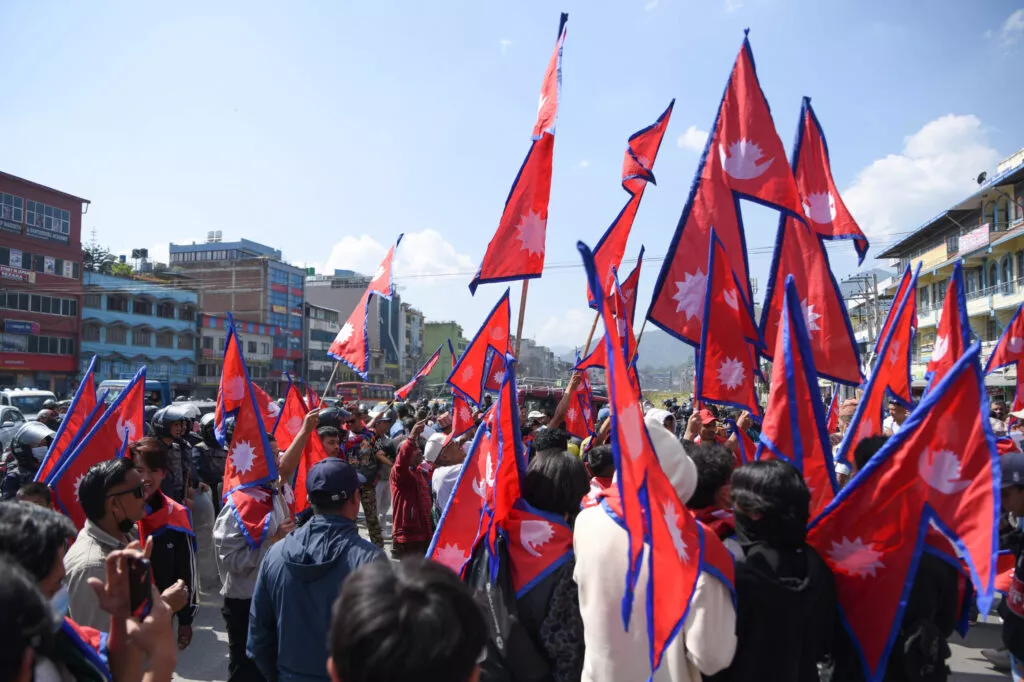
Kathmandu — A recent study prepared by the Ministry of Finance has concluded that the Gen-Z movement that took place in Nepal last Bhadra was not merely a temporary outburst of frustration but a deeper structural response to long-standing issues such as corruption, weak governance, limited employment opportunities, inequality and social injustice. The report, titled “Understanding the Gen-Z Movement: Root Causes, Realities and a Roadmap for a Stronger Nepal,” highlights a complex mix of social, economic and administrative factors that contributed to the youth-led protests.
The movement, which occurred on Bhadra 23–24 of the Nepali calendar (September), reflected a growing dissatisfaction among young citizens toward the country’s political and economic direction. According to the report, the protests should be viewed not simply as a domestic incident but as part of a broader global pattern of youth activism. Similar movements observed in North America, Asia, Africa and Latin America indicate that Gen-Z-led protests tend to be decentralized, often leaderless, and largely organized through digital platforms rather than traditional political structures.
Researchers noted that the movement in Nepal relied heavily on digital activism. Hashtag campaigns, online coordination and even meme-based political messaging played an important role in mobilizing participants. These strategies helped connect students, young workers, women and minority communities into a shared platform advocating for policy reforms and institutional accountability. As a result, the study interprets the movement not only as an expression of protest but also as a demand for transparency, responsive governance and a shift toward a new political culture.
The report also examined the demographic and socio-economic background of the participants. Data suggests that most of the protesters were young, educated individuals facing limited economic prospects. Nearly 98 percent of those involved had at least a secondary-level education or higher. Participation was highest among individuals aged between 16 and 25. In terms of occupation, students, unemployed youth and those engaged in informal or self-employment constituted a significant share of the participants.
To conduct the research, the study included 420 youth representatives from all seven provinces of Nepal. Researchers used structured surveys, focus group discussions and interviews with key informants to collect data. The findings were analyzed using thematic analysis, specialized computer software and triangulation techniques in order to enhance the reliability and credibility of the conclusions.
The study identified several social factors behind the protests. Among the most significant was declining public trust in political leadership. Participants expressed frustration over perceived restrictions on digital freedoms, the lavish lifestyles of political leaders and their family members, and the concentration of state privileges among a limited group of individuals. Concerns were also raised about nepotism in political appointments and the lack of inclusive development policies that address marginalized communities.
Economic conditions were another major driver. Rising unemployment, low income levels and the growing necessity for young people to seek employment abroad have intensified dissatisfaction among the youth population. Respondents pointed out that Nepal’s education system remains poorly aligned with the demands of the labor market, leaving many graduates unable to secure jobs that match their qualifications. Limited opportunities for entrepreneurship and widening income inequality were also identified as key contributing factors.
Administrative and governance issues further deepened public frustration. The study highlights complaints about slow and complicated bureaucratic procedures, the absence of effective one-window service systems and poor service delivery in government offices such as land revenue, taxation and administrative service centers. A lack of transparency in public institutions, weak institutional performance and the continued influence of favoritism and patronage networks were also cited as critical concerns.
Corruption emerged as a central theme in the analysis. Many young respondents described corruption not simply as individual misconduct but as a systemic failure embedded within governance structures. According to the report, anti-corruption institutions are often weakened by political appointments, making them more accountable to political leadership than to the public. This has reduced public confidence in the state’s ability to effectively control corruption.
The issue of digital freedom also featured prominently in the study. Young people increasingly regard digital access and expression as fundamental rights and an essential component of modern democratic governance. While government recruitment processes have become relatively more transparent in recent years, dissatisfaction persists over internal promotions, limited salary structures and the disconnect between academic education and real-world employment opportunities.
Although the protests caused significant disruption, the report notes that they also generated some positive outcomes. Economically, the unrest resulted in an estimated Rs 84.5 billion in physical damage and temporarily affected private investment sentiment. However, the movement also created pressure for institutional reforms. Observers noted a shift in political attitudes, with greater recognition among policymakers and bureaucrats of the need for accountability and responsiveness toward younger citizens.
The study also points out that the protests contributed to a rise in political awareness among youth and strengthened institutional pressure to address corruption and governance weaknesses. While some improvements in digital government services have been observed since the protests, challenges such as unequal access, technological limitations and administrative inefficiencies remain unresolved.
In response to these findings, the report outlines a series of recommendations aimed at addressing the structural causes behind the movement. These include increasing transparency in political appointments, reforming the education system to better match labor market demands, expanding inclusive development policies for marginalized groups and reducing income inequality. The study also emphasizes the need to improve public service delivery, strengthen digital governance and incorporate practical and ethical education into secondary school curricula.
Furthermore, the report suggests that financial institutions should play a role in post-protest economic recovery by providing accessible credit facilities to support reconstruction and youth-led entrepreneurship. Strengthening the link between financial services and economic opportunities could help restore confidence among young citizens.
Ultimately, the study concludes that rebuilding trust between the state and younger generations will require comprehensive reforms across political, economic and administrative sectors. Without meaningful policy changes, the report warns that dissatisfaction among youth could continue to grow. However, if the recommended reforms are implemented effectively, Nepal could strengthen social stability, reinforce democratic institutions and create a more inclusive and resilient economic future.
Advertisement
Written by
Dipesh Ghimire