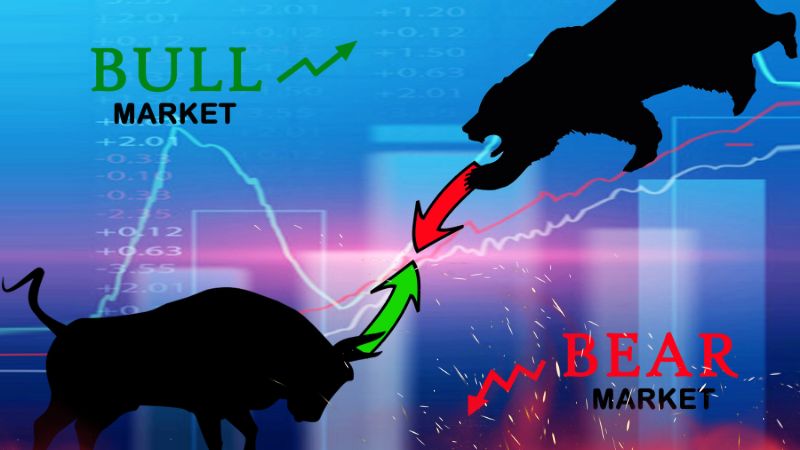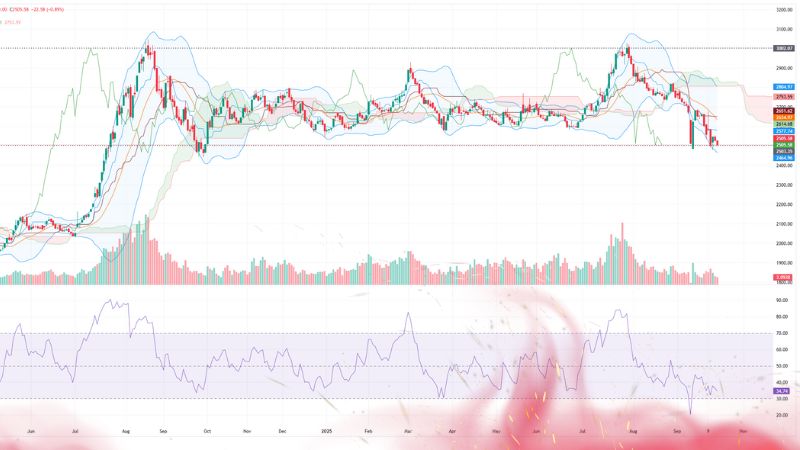
Top3 min readContinuous Decline in Share Market: NEPSE Slips to 2,487 Points — Lowest Since Mid-October Last YearContinuous Decline in Share Market: NEPSE Slips to 2,487 Points — Lowest Since Mid-October Last Year Nepal’s stock market continued its downward trajectory on Thursday, hitting a new yearly low as investor sentiment remained subdued. The Nepal Stock Exchange (NEPSE) index fell by 18.40 points to close at 2,487 points, marking its lowest level since mid-October last year. The persistent weakness reflects investors’ growing caution amid uncertainty about market stability and policy direction.Dipesh Ghimire·16 Oct, 2025
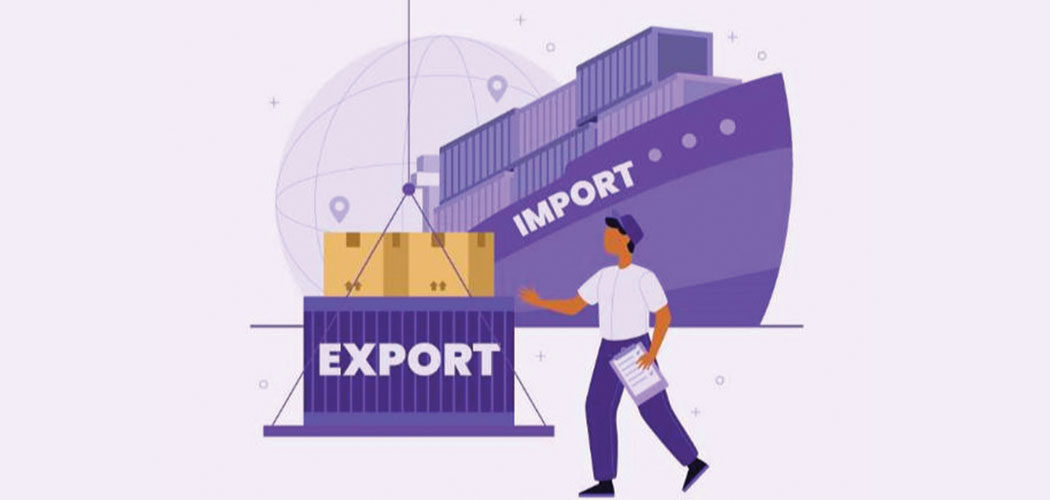
Top4 min readNepal’s Exports Surge 88.6% in Two Months, Driven by Strong Trade with India; Imports Also Up 16.2%Nepal’s Exports Surge 88.6% in Two Months, Driven by Strong Trade with India; Imports Also Up 16.2% Nepal’s foreign trade has shown a strong rebound in the first two months of the current fiscal year 2082/83 (mid-July to mid-September 2025), as both exports and imports recorded significant growth. According to data published by the Nepal Rastra Bank (NRB), the country’s total merchandise exports surged by 88.6%, reaching Rs 47.32 billion, compared to the same period last year when exports had declined by 5.1%. This marks one of the sharpest early-year improvements in Nepal’s trade performance in recent years, mainly fueled by strong demand from India and moderate growth in other export destinations.Dipesh Ghimire·16 Oct, 2025
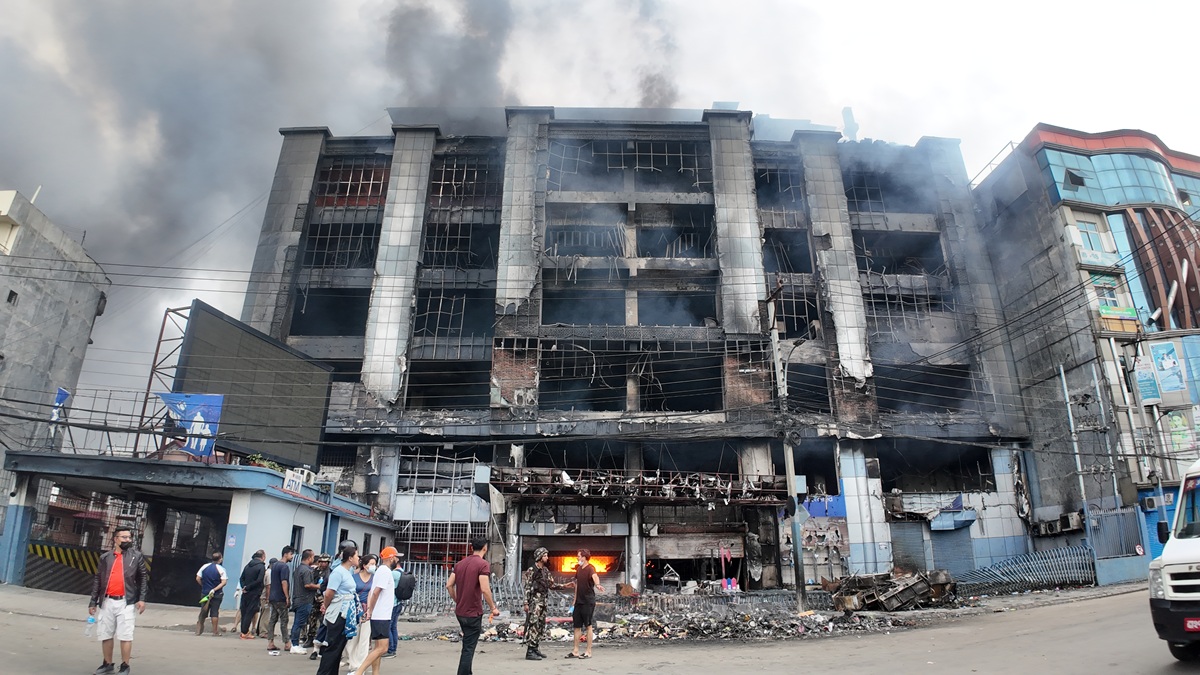
Top4 min readInsurance Companies Pay Nearly Rs 2 Billion in Claims After Gen-Z Protests; Some Yet to Begin SettlementInsurance Companies Pay Nearly Rs 2 Billion in Claims After Gen-Z Protests; Some Yet to Begin Settlement Nearly Rs 2 billion in insurance claims have been paid so far for damages caused during the Gen-Z protests held on September 8 and 9 (Bhadra 23 and 24) across Nepal. According to data released by the Nepal Insurance Authority (NIA) as of October 14 (Asoj 28), insurance companies have settled or advanced payments totaling Rs 1.95 billion, including partial and advance settlements.Dipesh Ghimire·16 Oct, 2025
Options Buying vs. Options Sel4 min readOptions Buying vs. Options Selling: The Real Battle Between Risk and ProbabilityOptions Buying vs. Options Selling: The Real Battle Between Risk and Probability Every trader stepping into the world of derivatives faces one of the oldest questions in financial markets — should I buy options or sell them? Both strategies belong to the same family but behave like complete opposites. One thrives on volatility and speed, while the other depends on stability and time decay. Understanding this contrast is the foundation of successful options trading.Dipesh Ghimire·16 Oct, 2025
Gold-Backed Loans3 min readGold-Backed Loans Surge as Prices Hit Record Highs Amid Falling Interest RatesGold-Backed Loans Surge as Prices Hit Record Highs Amid Falling Interest Rates Nepal’s financial market is witnessing a unique double impact: declining bank interest rates and surging gold prices. This combination has boosted the profitability of borrowers taking loans against gold while pushing banks to balance between regulatory limits and market risks.Dipesh Ghimire·16 Oct, 2025
Top4 min readInflation edges up to 5.74 percent; urban cost of living rises fasterInflation edges up to 5.74 percent; urban cost of living rises faster Nepal’s inflation increased modestly in mid-September (Bhadau 2082), with the National Consumer Price Index (NCPI) reaching 105.74 points, up from 104.96 in the previous month. According to the latest mid-month report released by the Nepal Rastra Bank (NRB), the figure represents a 0.74 percent rise on a monthly basis and a 1.87 percent increase compared to the same period last year. Although the overall inflation remains moderate, analysts say the composition of inflation has shifted. Prices of essential food items have largely stabilized, but the cost of education, health, housing, and personal services continues to climb, particularly in urban areas. The report also highlights a growing divide between rural and urban inflation, showing that city dwellers are now facing a stronger rise in the cost of living.Dipesh Ghimire·16 Oct, 2025
Top2 min readOverall Inflation Rises Moderately to 5.74% — Price Pressure Shifts to Services SectorOverall Inflation Rises Moderately to 5.74% — Price Pressure Shifts to Services Sector Nepal’s overall consumer inflation increased moderately in mid-September (Bhadau 2082), as the National Consumer Price Index (NCPI) reached 105.74 points, up from 104.96 a month earlier. This represents a 0.74% month-on-month rise and a 1.87% year-on-year increase. According to Nepal Rastra Bank’s mid-month report, the overall price level has grown 3.86% compared to two years ago, signaling continued inflationary pressure though at a controlled pace. Analysts suggest that inflationary drivers are shifting away from food items toward services like education, health, housing, and miscellaneous expenses.Dipesh Ghimire·16 Oct, 2025
Top4 min readNEPSE Slides Further as Investor Confidence Weakens — Despite SEBON’s Nine-Point Reform PackageNEPSE Slides Further as Investor Confidence Weakens — Despite SEBON’s Nine-Point Reform Package Kathmandu — Nepal’s stock market continued its decline for the second consecutive day, underscoring growing investor unease and skepticism toward regulatory promises. The Nepal Stock Exchange (NEPSE) index fell by 22.58 points on Wednesday, closing at 2,505.58 points, extending Tuesday’s 19-point loss. Trading volume also dropped, totaling Rs. 3.10 billion, compared to Rs. 3.36 billion the previous day. The steady fall in both the index and turnover clearly signals waning investor confidence, even as the regulator pledges major reforms.Dipesh Ghimire·15 Oct, 2025
Nepal’s Inflation6 min readNepal’s Inflation Shows Mixed Pattern as Food Prices Ease but Services and Non-Food Costs Remain ElevatedNepal’s Inflation Shows Mixed Pattern as Food Prices Ease but Services and Non-Food Costs Remain Elevated Kathmandu, October 2025 | NepseTrading Economic Desk Nepal’s consumer price inflation for mid-September (Bhadau 2082/83) presents a nuanced picture of the country’s cost of living dynamics. The National Consumer Price Index (NCPI), published by the Nepal Rastra Bank, reveals that inflationary pressures persist in the non-food and services sector even as food prices begin to stabilize after several months of volatility. The index rose to 105.74 points, reflecting a 1.87% annual increase compared to the same month last year, and a 0.74% rise month-on-month compared to mid-August (Saun 2082/83). While the increase is moderate compared to historic inflation peaks, the underlying structure shows that prices of essential services and non-food commodities are becoming the primary drivers of inflation in Nepal.Dipesh Ghimire·15 Oct, 2025
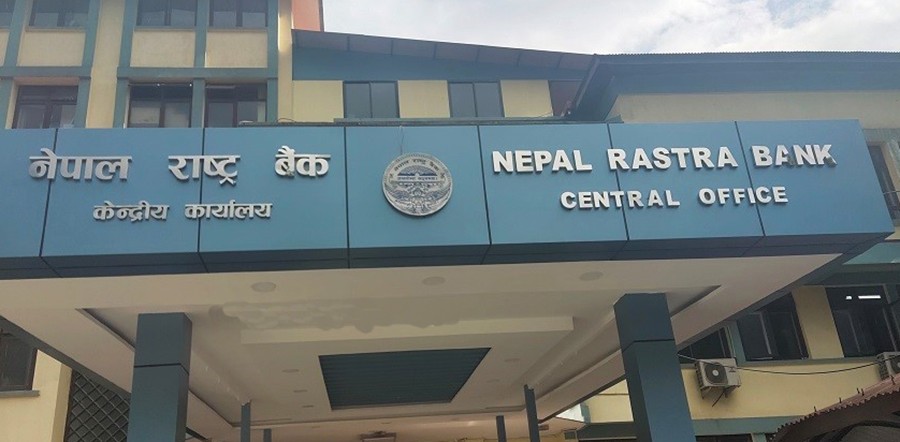
Nepal Rastra Bank’s Report2 min readNepal Rastra Bank’s Report: Inflation at 1.87%, Foreign Exchange Reserves at Rs. 2.88 TrillionThe Nepal Rastra Bank (NRB) has published the economic and financial situation report for the first two months (till Bhadra) of the current fiscal year 2082/83 (2025/26). The report shows positive progress in major indicators such as inflation, foreign exchange reserves, remittance inflow, trade balance, and government revenue — signaling a gradually stabilizing economy.Dipesh Ghimire·14 Oct, 2025