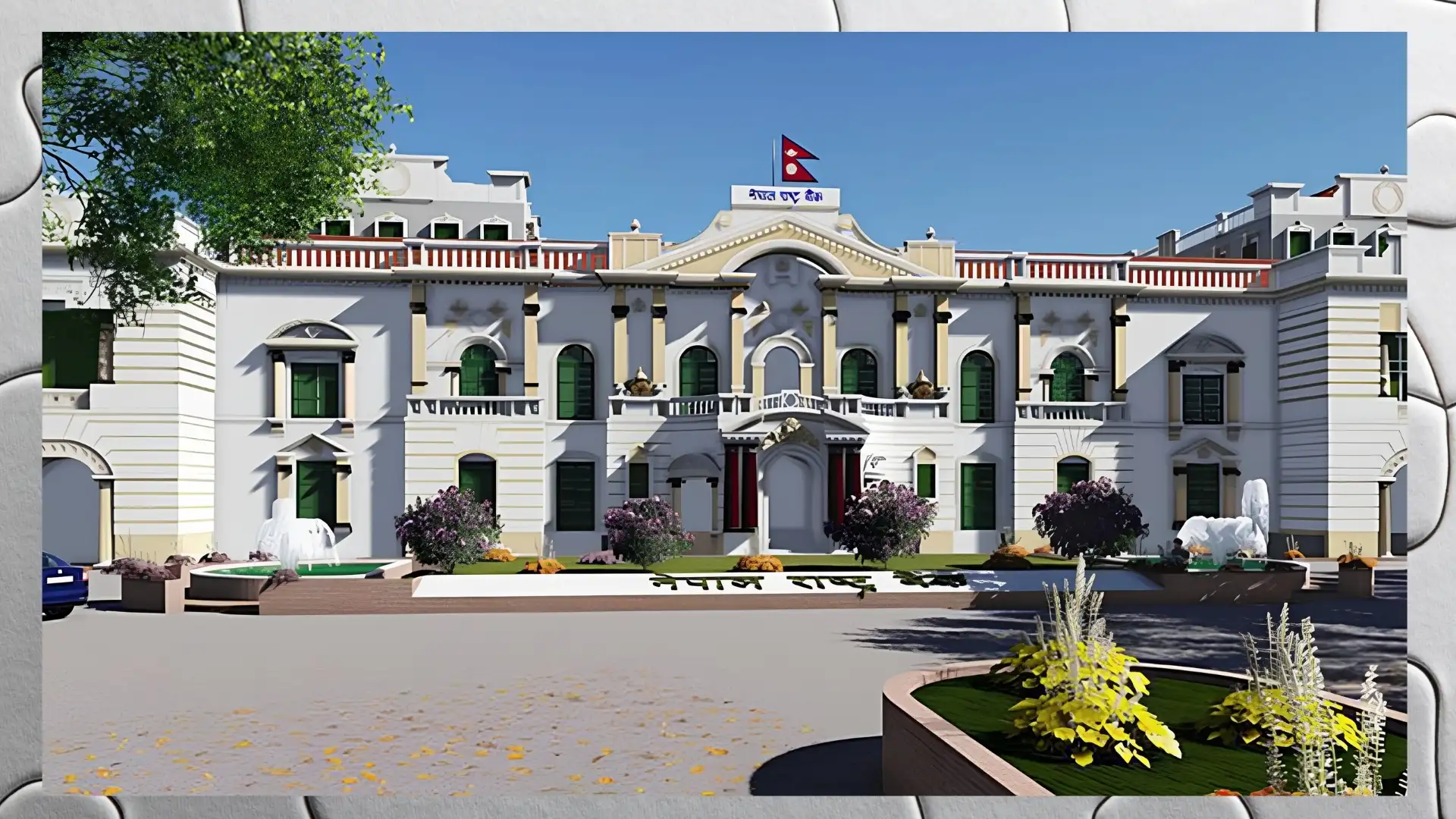
Nepal Rastra Bank's5 min readNepal Rastra Bank's Regulatory Sandbox: A Supervised Testing Ground for the Future of FinanceWhether the framework delivers on its promise will depend entirely on implementation. The guidelines are well-constructed, but guidelines are only as effective as the institutions that apply them. The quality of the evaluation process in phase two, the rigor of ongoing supervision during testing, and the willingness of regulators to engage constructively with applicants rather than treating the sandbox as an obstacle course will determine whether this becomes a genuine catalyst for financial innovation or simply a well-intentioned document that gathers dust.Dipesh Ghimire·19 Jun, 2026
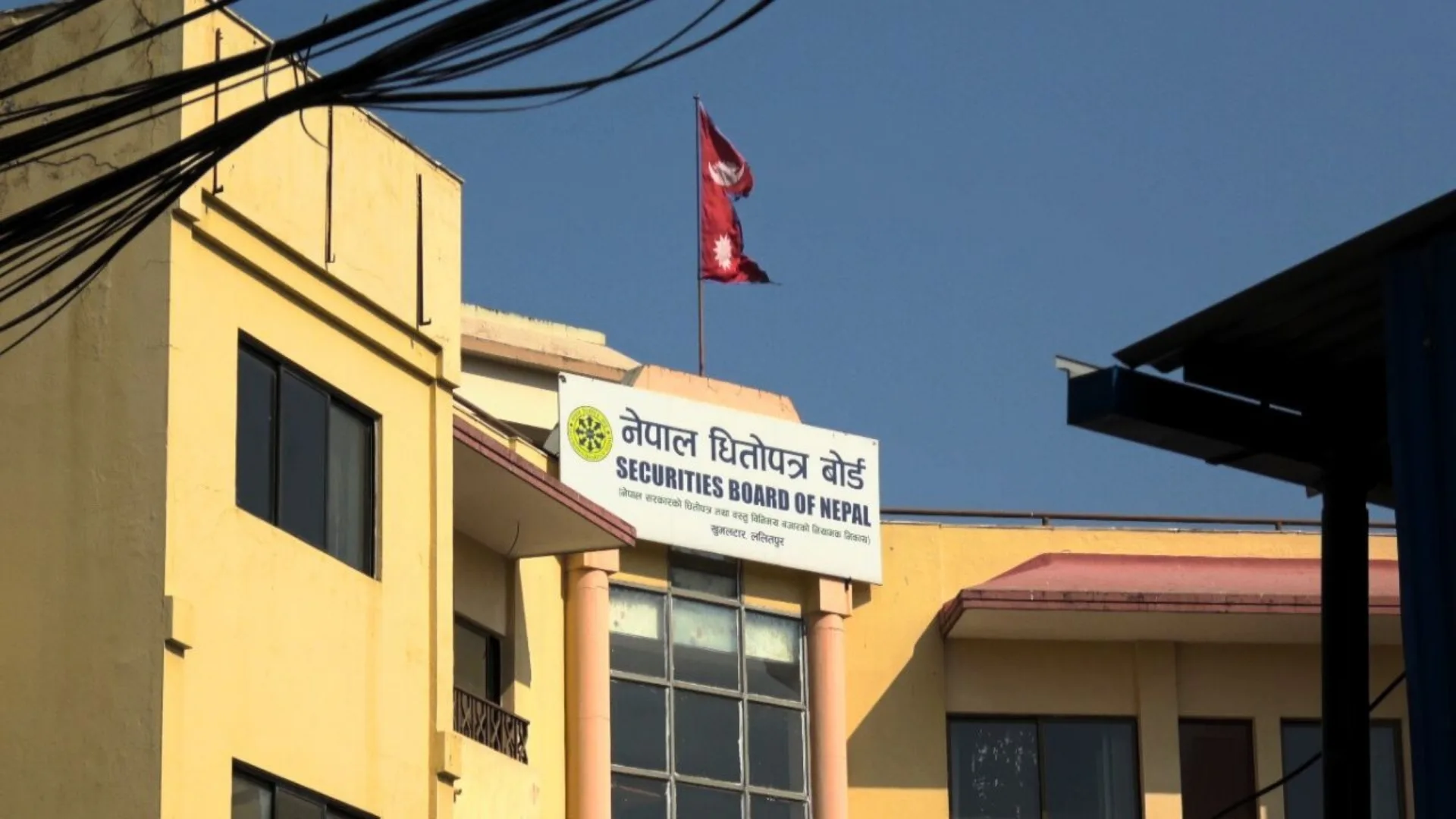
Nepal's STOCK Broker4 min readNepal's Broker Companies on the Edge: When Rs. 515 is a Month's EarningsTaken together, these recommendations paint a picture of an industry that understands its problems clearly and has thought carefully about the solutions. What remains to be seen is whether regulators and policymakers will respond with the urgency the situation demands. Broker companies are not abstract entities — they are the infrastructure through which ordinary Nepali investors participate in the capital market. When that infrastructure is failing, the damage extends well beyond the companies themselves.Dipesh Ghimire·19 Jun, 2026
BAFIA3 min readBAFIA Amendment Seen as a Turning Point for Nepal's Banking GovernanceAs parliamentary discussions continue, the final shape of the amended law remains uncertain. Nevertheless, if the legislation succeeds in strengthening governance standards, addressing cheque-related financial offences and ensuring greater transparency in executive appointments, it could represent one of the most significant banking reforms in Nepal in recent years. At a time when public confidence in financial institutions faces growing pressure, the effectiveness of these reforms may play a decisive role in shaping the future stability and credibility of the country's banking system.Dipesh Ghimire·18 Jun, 2026
Nepal's Bank3 min readNepal's Bank Deposits Continue to Rise Despite Falling Interest RatesOverall, recent developments suggest that Nepal's banking system continues to enjoy strong public confidence despite declining interest rates. Unless alternative investment sectors such as capital markets or real estate become significantly more attractive, deposit growth is expected to remain resilient. For now, banks continue to serve as the preferred destination for household savings, supported by remittance income, digital financial inclusion and a cautious investment environment that favors stability over risk.Dipesh Ghimire·18 Jun, 2026
Banks Turn to FIFA World Cup3 min readBanks Turn to FIFA World Cup 2026 as a Strategic Investment PlatformUltimately, the FIFA World Cup has become much more than a football championship. It now represents a global marketplace where sports, finance, technology, and branding intersect. The participation of major financial institutions such as Bank of America signals that international banking is entering a new phase of sports marketing, where investment in global events is viewed not merely as sponsorship but as a long-term strategy for business expansion and customer growth.Dipesh Ghimire·18 Jun, 2026
Trading Tools6 min readNepal's Capital Market Needs More Than Trading Tools — It Needs Instruments That Build an EconomyThe conclusion that emerges from a comprehensive look at Nepal's capital market instruments — their history, their current scale, their theoretical underpinnings, and their gaps — is that the country stands at a genuine crossroads. The instruments currently available have mobilized meaningful capital and brought real economic benefits. But the instrument mix is too narrow, too concentrated in ordinary equity, and too disconnected from the diverse financing needs of a developing economy with ambitious industrial, environmental and social goals. The path forward requires not just adding new trading instruments for secondary market participants, but deliberately designing a menu of financing tools matched to the actual characteristics of Nepal's industries, its risk profile, and the capacity of its investor base to understand what they are buying. Self-regulation, transparency and financial literacy are not soft add-ons to this agenda. They are the foundation without which any new instrument, however well-designed, becomes another vehicle for the kind of concentrated systemic risk that Nepal's capital market can ill afford.Dipesh Ghimire·16 Jun, 2026
Hydropower IPO6 min readNepal's Hydropower Share Market Is Built on Unanswered Questions — And Regulators Must Act Before It UnravelsThese are not questions that can wait for a market crisis to force the answers. By the time the first major hydropower license expiry begins to approach — and given that projects licensed in the 2050s will reach their transfer dates within the next decade — the question of what happens to hundreds of thousands of retail investors' holdings will no longer be theoretical. Whether Nepal's regulators move now to build a coherent framework, or wait until the problem arrives fully formed, will determine whether the country's capital market emerges from the hydropower era stronger and more trusted, or damaged in ways that could take a generation to repair.Dipesh Ghimire·16 Jun, 2026
Nepal's Hydropower5 min readNepal's Hydropower Stocks Carry a Hidden Expiry Date — and Most Investors Have No IdeaWhat Nepal's policymakers, regulators and the investment community must now confront is whether the country can continue allowing hundreds of thousands of retail investors to accumulate exposure to an asset class whose terminal value is fundamentally uncertain, without at minimum requiring clear, standardized disclosure of the transfer timeline and its implications in every prospectus, every annual report, and every secondary market transaction. The commission has identified the problem. The harder work of designing a solution — whether through special accounting treatment, mandatory reserves against license expiry, or an entirely new regulatory category for BOOT model equities — remains largely undone.Dipesh Ghimire·16 Jun, 2026
Hydropower Stocks4 min readHydropower Stocks Now Drive Nepal's Capital Market, Commanding 45 Percent of All Trading ActivityNone of this diminishes the genuine achievement that hydropower's capital market journey represents. Private sector energy companies tapping public savings to build national infrastructure is exactly the kind of financial deepening that developing economies need. The challenge now is whether Nepal's regulators and policymakers have the wisdom to encourage diversification of the listed universe before the market's dependence on a single sector creates vulnerabilities that even the most enthusiastic hydropower investor would prefer to avoid.Dipesh Ghimire·16 Jun, 2026
Nepal's Hydropower4 min readNepal's Hydropower IPO Rules: A Web of Overlapping Laws That Companies Must NavigateTaken together, what this legal framework reveals is a system that is simultaneously protective and cumbersome. The multiple layers of approval — from the Electricity Regulatory Commission, through securities regulators, and ultimately to the stock exchange — were each designed with legitimate goals in mind. But the cumulative effect is a process that demands extraordinary patience, documentation, and institutional capacity from hydropower companies. Whether Nepal can streamline this framework without abandoning investor protection will be one of the defining regulatory challenges as the country pushes toward its ambitious electricity generation targets in the years ahead.Dipesh Ghimire·16 Jun, 2026