NEPSE4 min readBeyond Ordinary Shares: How Nepal's Investors Can Build Smarter PortfoliosThe deeper insight behind all of this is that investment is not fundamentally about finding the one stock that will double quickest. It is about building a collection of assets that will compound in value over time, generate income, and protect capital against the inevitable periods when markets decline. Nepal's capital market has expanded significantly in terms of the products and vehicles available to investors, even if awareness of those options has not kept pace with their availability. Investors who limit themselves to direct share trading are using only a fraction of what the market offers. Those who take the time to understand and appropriately use mutual funds, rights share opportunities, and IPO allocations as part of a broader strategy are building portfolios with fundamentally better risk-adjusted prospects for the long run.Dipesh Ghimire·21 Jun, 2026
NEPSE3 min readBeyond the Price Ticker: Why Fundamental Analysis Is the Serious Investor's Most Important ToolThe honest acknowledgment about fundamental analysis is that it takes time. Reading financial statements thoroughly, understanding the accounting choices embedded in them, building comparable models, and forming a considered view of a business's competitive position is not work that can be done in minutes. Technical chart analysis is faster, and for short-term traders it may be more immediately useful. But for investors with a genuine long-term horizon — those who want to own pieces of good businesses rather than trade price movements — fundamental analysis is not optional. It is the only reliable way to distinguish between a share price that has fallen because the market has mispriced a good business and one that has fallen because the business itself is deteriorating. Getting that distinction right, consistently over time, is what long-term investment success is actually built on.Dipesh Ghimire·21 Jun, 2026
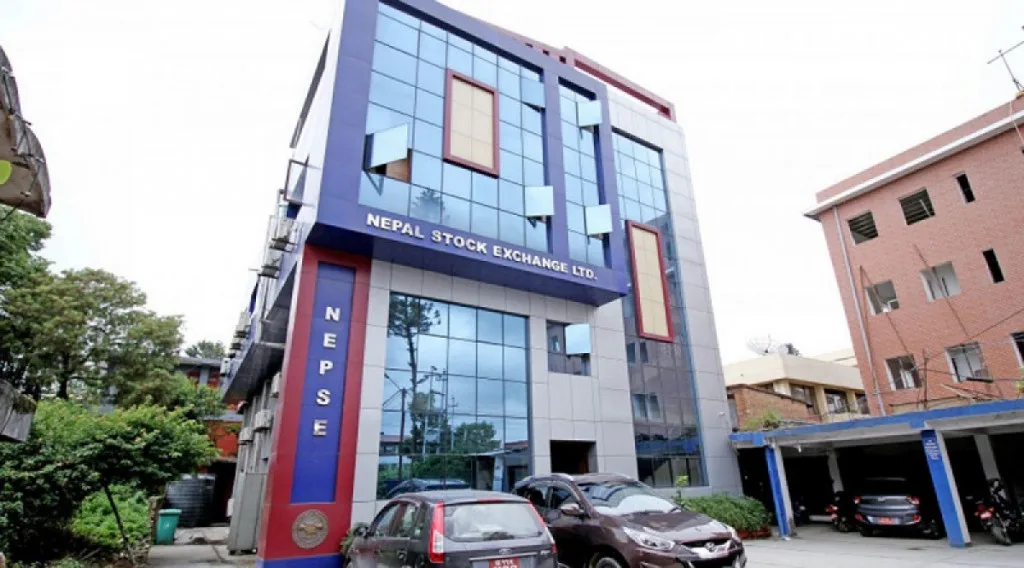
NEPSE3 min readFive Decades of Nepal's Securities Market: From a Single Trading Centre to NEPSEThe half-century arc from the Securities Marketing Centre to today's NEPSE captures something essential about how Nepal builds institutions — carefully, incrementally, and with significant state involvement at every stage. The foundations that were laid in 2033 BS, strengthened by legislation in 2040 BS, and institutionally consolidated in 2050 BS have created a functioning secondary market where previously none existed. That is a genuine achievement. But the market's next phase of development — broadening participation, deepening liquidity, introducing new products, and connecting Nepal's capital market more meaningfully to regional and global flows — will require governance structures, regulatory independence, and competitive dynamics that the current framework, shaped so heavily by state ownership, may find difficult to generate on its own.Dipesh Ghimire·21 Jun, 2026
Nepal's cooperative sector5 min readNepal's Cooperative Sector Gets a 10-Point Action Plan — But the Real Test Is EnforcementThe savers who have lost money to collapsed or mismanaged cooperatives will not be made whole by an action plan. Their immediate need is for compensation mechanisms and clearer legal pathways to recover their savings — issues that the current plan does not directly address. But the longer-term goal of preventing future losses requires exactly the kind of systematic oversight strengthening that the 10-point plan attempts to put in place. Whether this plan marks a genuine turning point for cooperative sector governance in Nepal or becomes another document filed and forgotten will depend on choices that have not yet been made.Dipesh Ghimire·19 Jun, 2026
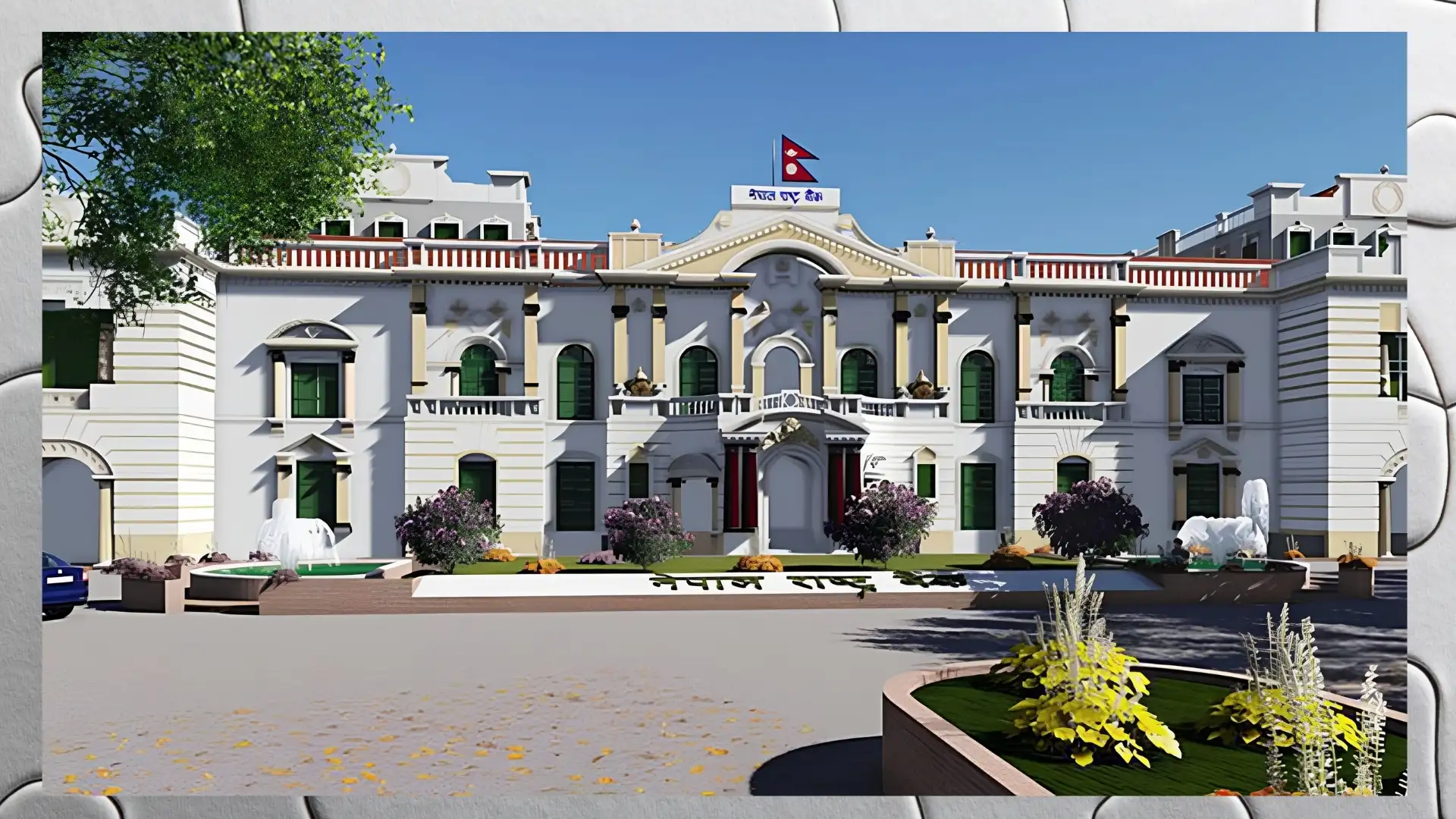
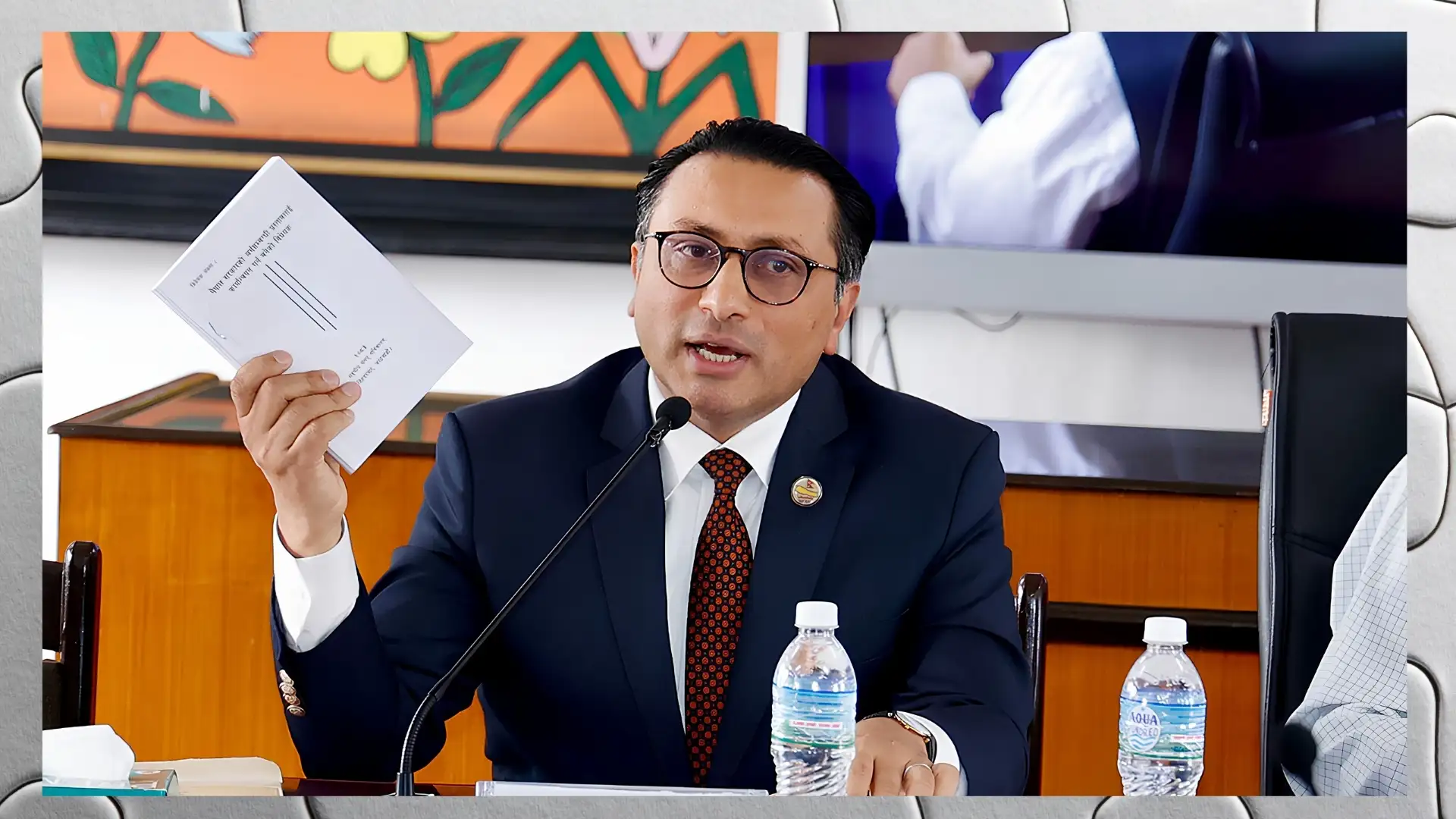
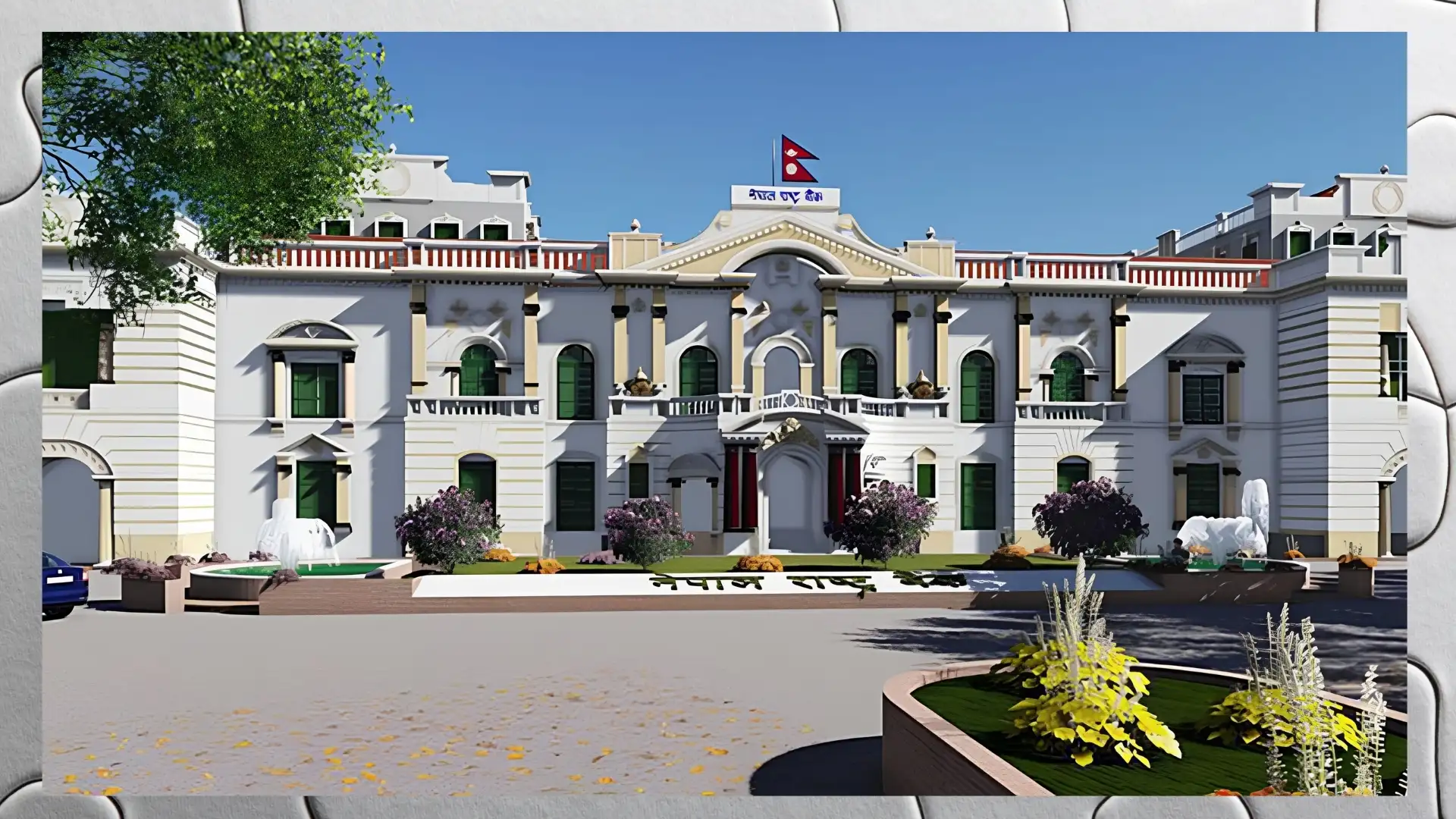
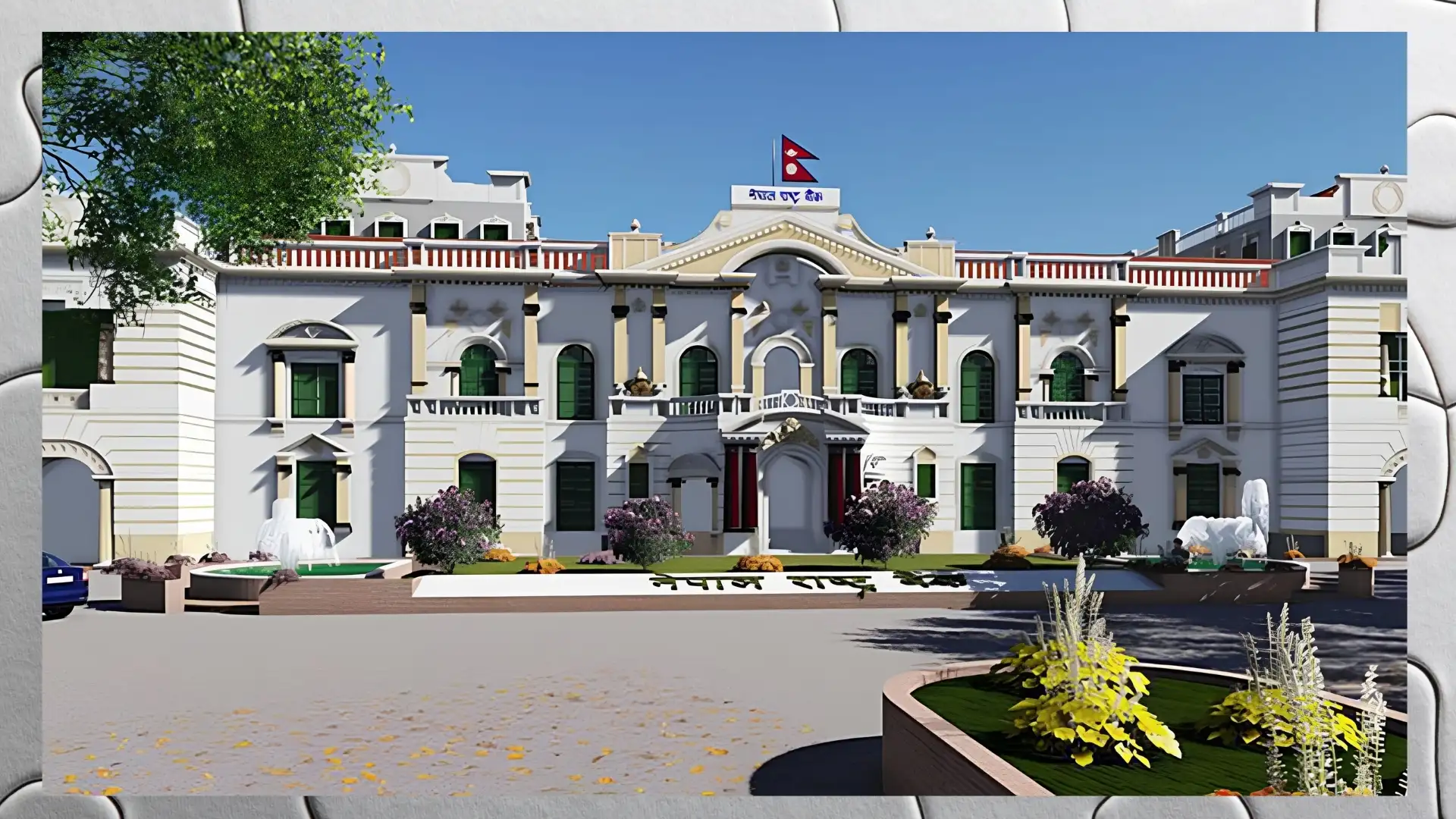
Nepal Rastra Bank5 min readNepal Rastra Bank Moves to Unmask the People Behind the BanksBut the framework that has been put in place is a genuine improvement over what existed before. For the first time, Nepal Rastra Bank is demanding a comprehensive, structured, legally accountable account of who the people running and significantly owning its licensed institutions really are. For depositors, investors, and the public whose money flows through these institutions, that is a development worth taking seriously.Dipesh Ghimire·19 Jun, 2026
monetary policy of fiscal year7 min readNepal Bankers' Association to Nepal Rastra Bank: Here Is What Needs to Changemonetary policy of fiscal year 2083/84 ; Taken as a whole, the NBA's 22-point submission is a serious and substantive document. It addresses real problems with practical proposals, draws on international experience, and reflects genuine understanding of where Nepal's banking sector needs to evolve. The NBA has framed the entire package as supportive of the government's 7 percent growth target for the coming fiscal year — and that framing is not unreasonable. A banking sector that can manage its liquidity more effectively, resolve its non-performing assets more cleanly, price credit more accurately, and deliver digital services more efficiently is a banking sector that is better positioned to support the economic activity the government is trying to generate. Whether Nepal Rastra Bank incorporates these recommendations into the upcoming monetary policy will be a meaningful test of the central bank's appetite for reform in a year when the economy needs every advantage it can get.Dipesh Ghimire·19 Jun, 2026
Finance Minister Wagle 5 min readFinance Minister Wagle Addresses Parliament on Wealth Commission, AI Infrastructure, and the Fight Against PovertyThe recurring theme across Wagle's responses was that the current government sees economic growth and institutional reform as complementary rather than competing priorities. Tightening accountability for public officials through the wealth commission, fixing the project delivery system, building digital infrastructure, and directing budget resources toward disadvantaged regions are all presented as parts of a coherent development strategy. Whether that coherence holds in practice — whether the reforms are implemented rather than announced, whether the accountability mechanisms apply equally across political affiliations, and whether the growth strategy actually reaches the communities it is designed to serve — are questions that Thursday's parliamentary session could raise but not answer. Those answers will emerge in the months and years ahead.Dipesh Ghimire·19 Jun, 2026
Nepal Rastra Bank's5 min readNepal Rastra Bank's Regulatory Sandbox: A Supervised Testing Ground for the Future of FinanceWhether the framework delivers on its promise will depend entirely on implementation. The guidelines are well-constructed, but guidelines are only as effective as the institutions that apply them. The quality of the evaluation process in phase two, the rigor of ongoing supervision during testing, and the willingness of regulators to engage constructively with applicants rather than treating the sandbox as an obstacle course will determine whether this becomes a genuine catalyst for financial innovation or simply a well-intentioned document that gathers dust.Dipesh Ghimire·19 Jun, 2026
Nepal's STOCK Broker4 min readNepal's Broker Companies on the Edge: When Rs. 515 is a Month's EarningsTaken together, these recommendations paint a picture of an industry that understands its problems clearly and has thought carefully about the solutions. What remains to be seen is whether regulators and policymakers will respond with the urgency the situation demands. Broker companies are not abstract entities — they are the infrastructure through which ordinary Nepali investors participate in the capital market. When that infrastructure is failing, the damage extends well beyond the companies themselves.Dipesh Ghimire·19 Jun, 2026
BAFIA3 min readBAFIA Amendment Seen as a Turning Point for Nepal's Banking GovernanceAs parliamentary discussions continue, the final shape of the amended law remains uncertain. Nevertheless, if the legislation succeeds in strengthening governance standards, addressing cheque-related financial offences and ensuring greater transparency in executive appointments, it could represent one of the most significant banking reforms in Nepal in recent years. At a time when public confidence in financial institutions faces growing pressure, the effectiveness of these reforms may play a decisive role in shaping the future stability and credibility of the country's banking system.Dipesh Ghimire·18 Jun, 2026