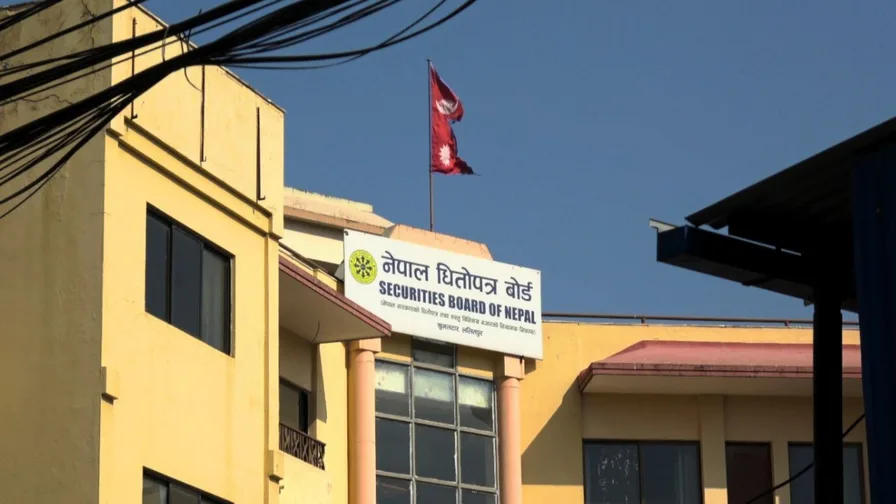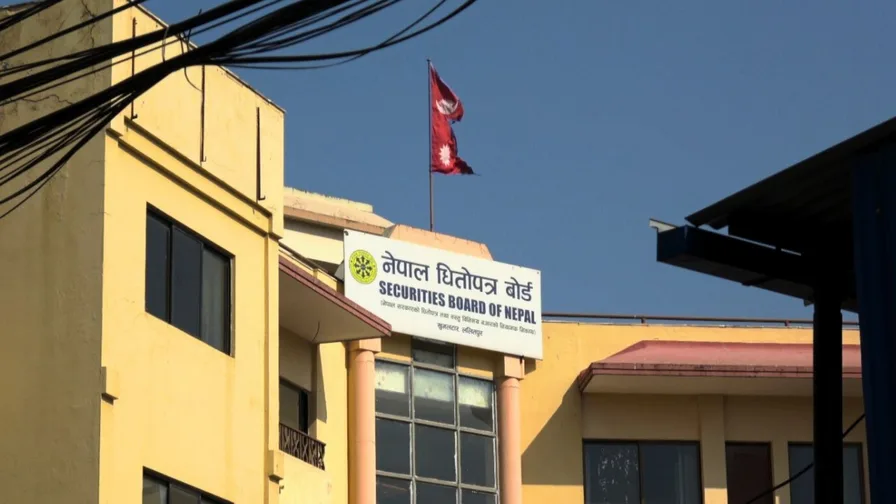
SEBON2 min readNavigating the Digital Minefield: SEBON Warns Investors Against AI Deepfakes and 'Finfluencers'Ultimately, SEBON’s message is clear: in an era where digital deception is becoming highly sophisticated, due diligence is an investor's strongest shield. For authentic information, the board has requested market participants to rely exclusively on official portals of SEBON, NEPSE, CDSC, Nepal Rastra Bank, the Nepal Insurance Authority, and the Ministry of Finance.Dipesh Ghimire·5 Oct, 2026
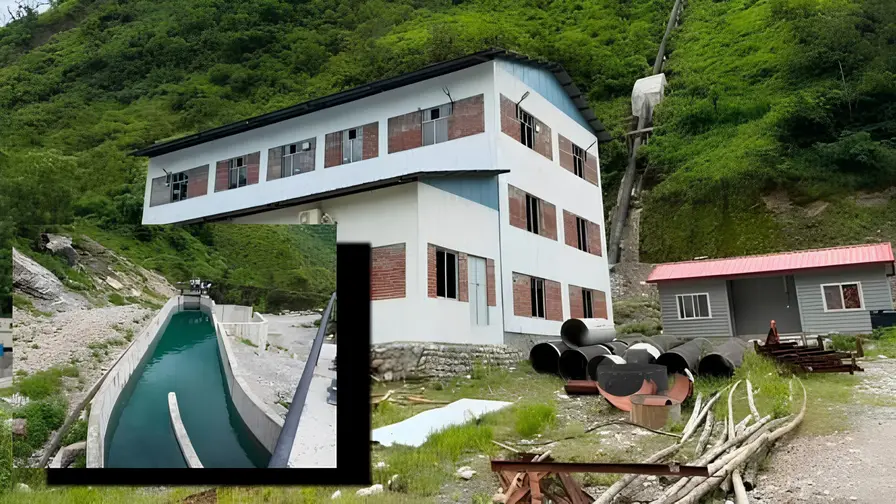
Syarpu Hydropower1 min readPowering Autonomy: Rukum West Sets a New Precedent with 3.3MW Syarpu HydropowerThe economic projections position this venture as a highly lucrative long-term asset for the region. Engineered to generate an estimated 18.17 million units of electricity annually, the project is expected to yield approximately Rs 101.5 million in yearly revenue. Initiated in 2021 and expedited to completion since its formal foundation-laying in late 2023, the Syarpu project demonstrates that local infrastructure can be delivered swiftly and efficiently. Once commercial sales to the Nepal Electricity Authority (NEA) begin, this steady, independent revenue stream will drastically reduce the municipalities' financial dependence on Kathmandu, offering a replicable blueprint for economic self-reliance across the country.Dipesh Ghimire·5 Oct, 2026
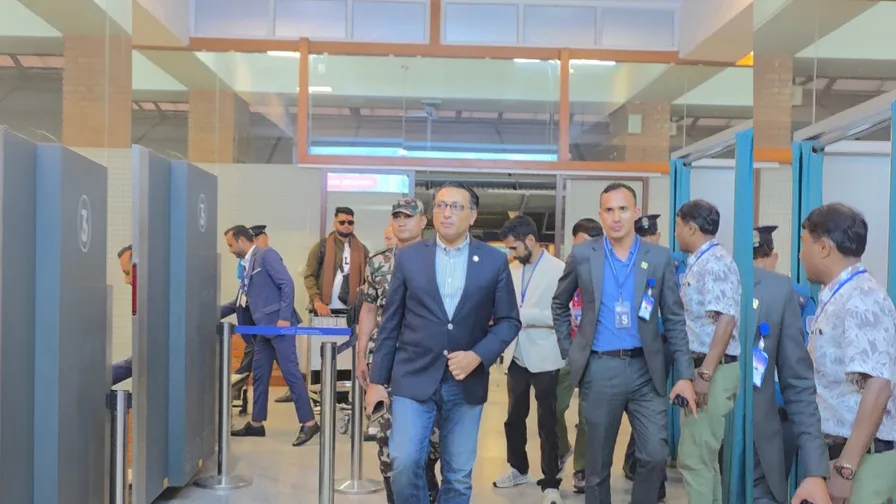
Dr. Swarnim Wagle2 min readHigh Stakes in Washington: Wagle Navigates Disaster Recovery and Nepal’s Financial ReputationUltimately, Wagle’s Washington itinerary is a formidable test of economic diplomacy. Success in these high-level bilateral talks will determine whether Nepal can simultaneously rebuild its battered physical landscapes in Bhote Koshi and restore its fragile financial credibility on the global stage.Dipesh Ghimire·5 Oct, 2026
Nepal’s Stock Market3 min readParadigm Shift in Nepal’s Stock Market: SEBON Ties Broker Services to Capital and Risk CapacityAcknowledging the sheer magnitude of these reforms, SEBON has wisely opted for a staggered, three-phase implementation roadmap. The initial phase will concentrate on laying the groundwork—enforcing broker categorization, capital adequacy, and strict asset segregation. Once the foundation is secure, the second phase will unlock advanced trading tools like intraday trading and short selling, culminating in the third phase focused on advanced supervisory systems and strategic investments. Ultimately, this policy is not merely a set of new rules; it is a calculated, structural blueprint designed to transition Nepal’s stock market into a mature, resilient, and investor-friendly financial hub.Dipesh Ghimire·30 Sep, 2026
Concessional Loans 2 min readNepal at the Helm of AIIB: A Strategic Boost for Concessional Loans and Infrastructure DevelopmentFurthermore, acknowledging the reality that public investment alone is inadequate, Dr. Wagle pointed out the necessity of financing models designed to attract both domestic and foreign private capital. This signals the Nepal government's intention to move forward with policies aimed at reassuring foreign investors through Public-Private Partnerships (PPP) and 'blended finance' models. Overall, the issues raised by Nepal from the AIIB Vice President's chair are expected to compel international lenders to better understand the real needs of developing countries and play a strategic role in channeling more foreign capital into Nepal's infrastructure development.Dipesh Ghimire·29 Sep, 2026
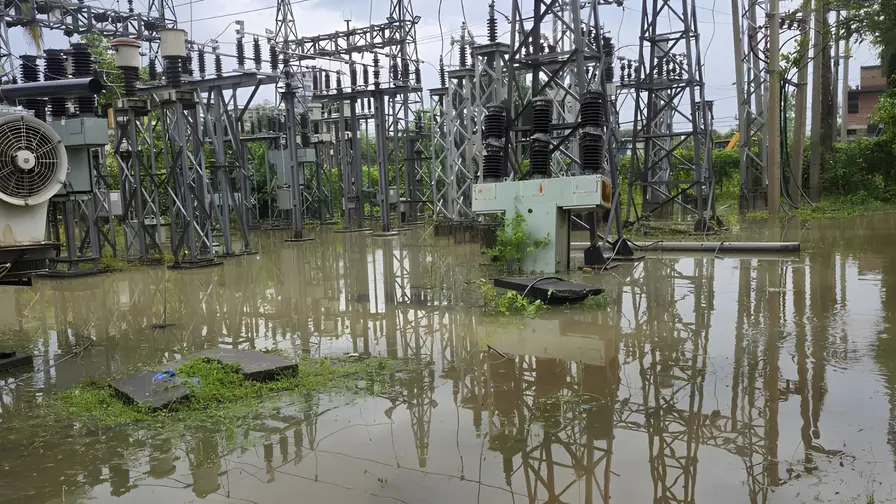
Energy Sector2 min readDevastating Floods Deal a Massive Blow to the Energy Sector: Over 1,000 MW Disconnected from the GridIn response to the crisis, authorities have expedited recovery efforts. Technical teams have already been mobilized to the affected sites to restore the power supply at the earliest. However, the mission is fraught with logistical nightmares. With the continuous downpour and landslides severely damaging road networks across the region, transporting the necessary heavy machinery, replacement parts, and manpower to the treacherous terrains to rebuild the fallen towers remains a formidable challenge for the restoration crews.Dipesh Ghimire·28 Sep, 2026
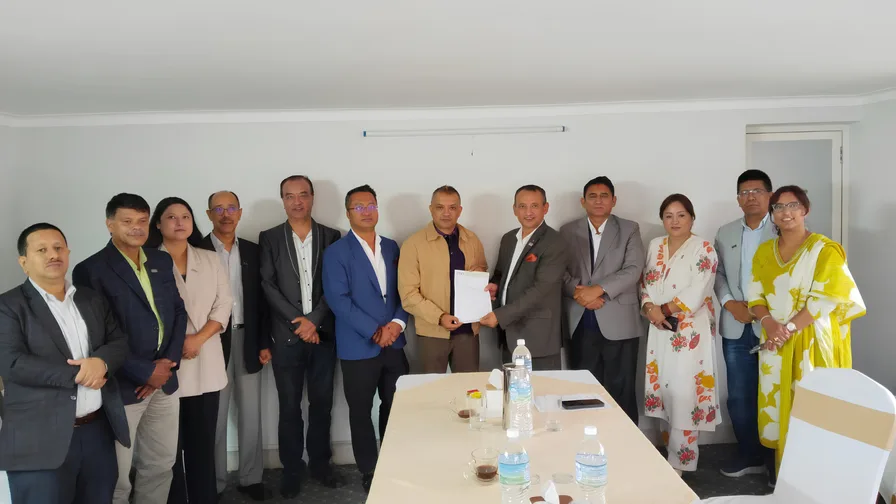
Nepali Congress2 min readNC Pledges Strict Action Against Party Cadres Obstructing Hydropower Projects Amid Rising Extortion ConcernsEchoing the collective sentiment of the private sector, IPPAN Secretary Suman Joshi urged political parties to stop viewing energy entrepreneurs through a "political lens." Given the massive capital investment and long-term risks developers undertake, stakeholders emphasized that the state and political actors must genuinely treat them as indispensable partners in the nation's economic development, rather than subjects for political maneuveringDipesh Ghimire·27 Sep, 2026
Smartphones2 min readFewer Handsets, Bigger Bills: Nepalis Shift to Premium Smartphones as Import Value SurgesUltimately, the customs data suggests a maturation of the Nepali smartphone market. While the era of explosive volume growth—driven by first-time buyers—appears to be cooling down, the market is successfully transitioning into a value-driven phase. Existing users are prioritizing quality, durability, and performance, willingly opening their wallets wider to secure premium technological experiences.Dipesh Ghimire·27 Sep, 2026
Strategic Shift in IMF Lending2 min readStrategic Shift in IMF Lending: Fund Abandons 'One-Size-Fits-All' for Capacity-Based Loan ConditionsThe rollout of these sweeping changes will not be immediate. To avoid overwhelming countries that already possess limited administrative capacity, the IMF plans a phased, risk-based implementation. Initial steps will involve developing new operational guidelines and analytical tools before the reforms are gradually integrated into country-level programs. For smaller, developing economies that frequently rely on multilateral financial support, this policy shift signals a welcome transition toward more pragmatic, customized, and country-owned paths to economic recovery.Dipesh Ghimire·27 Sep, 2026
First 'Finance in Common Summi2 min readAsia to Host Its First 'Finance in Common Summit' in 2027: Eyes Mobilization of $23 Trillion for Sustainable DevelopmentInitiated in Paris in 2020, the Finance in Common initiative has rapidly grown into the largest global network of its kind, comprising approximately 540 public development banks. Collectively, these institutions mobilize an estimated $2.5 trillion annually in the global market. Following successful previous editions in Rome, Abidjan, Cartagena, and Cape Town, the summit’s upcoming Asian debut underscores the region's growing centrality in shaping the future of global development finance and climate action.Dipesh Ghimire·27 Sep, 2026