NEPSEtrading

Make smarter moves backed by machine learning. Join thousands of traders leveraging AI to maximize profits.

nepsetrading.com is an online news portal that provides insights into trading and investment by analyzing the stock market and the global economy. We create charts based on the analysis of various indicators. Please do not rely solely on this information for investment decisions. Self-study is crucial. Use this information only as an educational and informational resource.

Marketminds Investment Group Private Limited

DOIB Registration certificate no.: 4680-2081/2082

Director & Editor-in-chief: Dipesh Ghimire · 9802363868, 9851119988

Koteshwor 32, Kathmandu
01-5253221 · +977 9709066745

Contact support

Subscribe to our newsletter

Weekly insights from the NEPSE market in your inbox.

Get the app

Track markets, signals and alerts from your phone.

Get it onGoogle Play

Market

  • Stocks
  • Sectors

Company

  • About Us
  • Our Team
  • Terms of Use
  • Our Policy
  • Training
  • Contact Us

Help

  • Support
  • Report
  • FAQ

© 2026 nepsetrading.com. All rights reserved.
Owned and operated by Marketminds Investment Group Private Limited.

Charts powered by TradingView

  • Home
  • Latest
  • Trending
  • Stock
  • Education
  • International
  • Education News

    Stay informed and invest with latest NEPSE news and analysis.


    PreviousPage 8 / 9Next
    • नेपाल स्टक मार्केट कर प्रणालीको बारेमा जानकारी
      Education

      नेपाल स्टक मार्केट कर प्रणालीको बारेमा जानकारी Understanding the Tax System in Nepal's Stock Market

      कोरोना महामारीका कारण लकडाउन सुरु भएपछि नेपालको शेयर बजारमा कारोबार बढेको देखिन्छ। विशेषगरी, अनलाइन प्रणालीको सहजताका कारण अधिकांश नयाँ लगानीकर्ताका रूपमा युवा उमेरका व्यक्तिहरू बजारमा ठूलो मात्रामा प्रवेश गरेका छन्। तर, लगानी गर्ने क्रममा विभिन्न शुल्क र करहरूको बारेमा बुझ्न आवश्यक हुन्छ। यस्ता शुल्क र करहरू जानकार नभई वा बेवास्ता गर्दा घाटा पनि हुन सक्छ। शेयर बजारमा लगानी गर्दा यी शुल्क र करहरूको बारेमा जानकार रहनु अत्यन्त महत्वपूर्ण छ। Since the lockdown started due to the COVID-19 pandemic, Nepal's stock market has seen increased activity. Particularly, the ease of online trading systems has led many young investors to enter the market. However, it is crucial to understand various fees and taxes associated with investing. Ignorance or neglect of these can lead to losses. Understanding these fees and taxes is essential when investing in the stock market. This knowledge helps investors manage their investments effectively and avoid potential losses.

      NEPSE trading ·5 Jun, 2024·<1 min read
    • के हो शेयर बजारमा लार्ज क्याप, मिड क्याप, र स्मल क्याप ?
      Education

      के हो शेयर बजारमा लार्ज क्याप, मिड क्याप, र स्मल क्याप ? What are large cap, mid cap, and small cap in the stock market ?

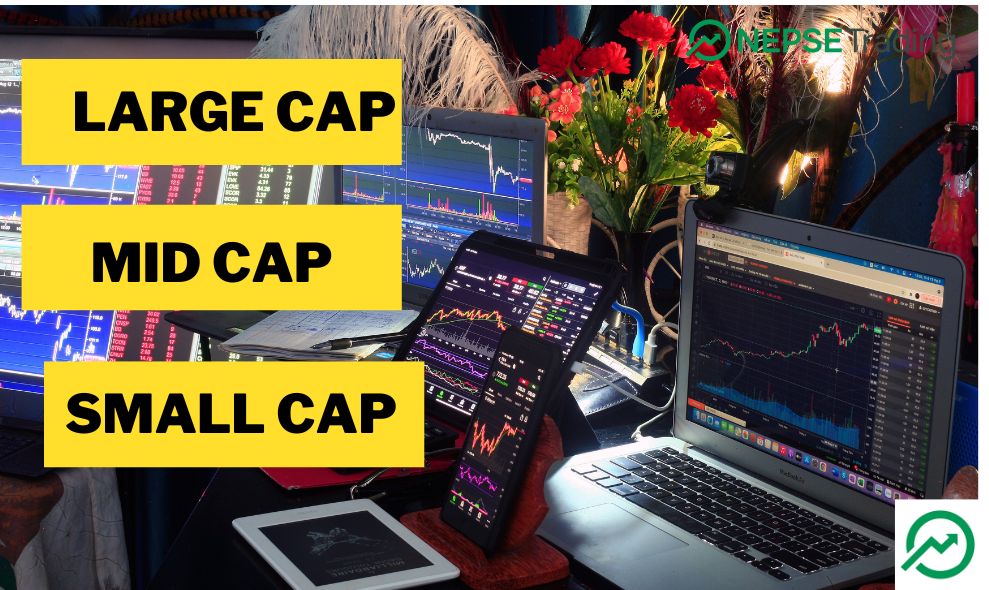
      लार्ज क्याप, मिड क्याप, र स्मल क्याप बजार पूँजीकरणलाई बोलीचालीको भाषामा ‘मार्केट क्याप’ भनिन्छ। कम्पनीले जारी गरेको शेयरको संख्यालाई सो कम्पनीको पछिल्लो पटक अन्तिम कारोबार मूल्यले गुणन गर्दा आउने गुणनफललाई बजार पूँजीकरण भनिन्छ। बजार पूँजीकरणले कुनै पनि कम्पनीको कुल मूल्यलाई प्रतिनिधित्व गर्छ। लगानीकर्ता, विश्लेषक तथा वित्त क्षेत्रका अन्य पेशाकर्मीका लागि बजार पूँजीकरण एक महत्वपूर्ण तथ्यांक हो किनभने यसले कम्पनीको आकार, बजारको अवस्था तथा अर्थतन्त्रमा समग्र बजारको तुलनात्मक स्थितिको जानकारी दिन्छ। कम्पनीहरूको वर्गीकरण सामान्यतया सूचीकृत कम्पनीहरूलाई तिनीहरूको बजार पूँजीकरणको आधारमा तीन भागमा विभाजन गरेर विश्लेषण गर्ने चलन छ: लार्ज क्याप बजार पूँजीकरणका हिसाबले ठूला कम्पनीलाई लार्ज क्याप भनिन्छ। यस्ता कम्पनीहरूको मूल्यमा उतारचढाव कम हुने गरेको पाइन्छ। तसर्थ, यस्ता कम्पनीहरूमा गरिने लगानीलाई सुरक्षित र भरपर्दो मानिन्छ। यी कम्पनीहरूको शेयर मूल्य तुलनात्मक रूपमा स्थिर हुन्छन् र लाभांश वितरणको दर पनि सामान्यतया स्थिर हुन्छ। मिड क्याप मध्यम बजार पूँजीकरण भएका कम्पनीहरूलाई मिड क्याप भनिन्छ। यी कम्पनीहरू वृद्धिको चरणमा रहेका हुन्छन् र तिनीहरूको नाफा, बजार हिस्सा, मूल्य र उत्पादकत्व बढ्ने अपेक्षा गरिएको हुन्छ। मिड क्याप कम्पनीहरूले लगानीकर्तालाई उच्च प्रतिफल दिन सक्छन् तर तिनीहरू लार्ज क्यापभन्दा जोखिमपूर्ण मानिन्छन्। स्मल क्याप साना बजार पूँजीकरण भएका कम्पनीहरूलाई स्मल क्याप भनिन्छ। यस्ता कम्पनीहरू प्रायः नयाँ हुन्छन् र वित्तीय स्थिरता कमजोर हुन्छ। स्मल क्याप कम्पनीहरूले उच्च वृद्धि र प्रतिफलको सम्भावना बोकेका हुन्छन् तर तिनीहरू बजार अस्थिरताबाट बढी प्रभावित हुन्छन्। लार्ज क्याप स्टकका विशेषताहरू 1. कम जोखिम: लार्ज क्याप कम्पनीहरू बलियो र स्थिर वित्तीय पूर्वाधार भएका हुन्छन्। बजारको उतारचढाव तथा अस्थिरताबाट कम प्रभावित हुन्छन्। 2. मध्यम प्रतिफल: लार्ज क्याप कम्पनीहरूले उच्च दरमा लाभांश प्रदान गर्छन् भन्ने हुँदैन, तर हरेक वर्ष स्थिर लाभांश प्रदान गर्ने नीति बनाएका हुन्छन्। 3. तरलता: लार्ज क्याप स्टकमा उच्चतम तरलता हुन्छ, जसले गर्दा सजिलै खरिद-बिक्री गर्न सकिन्छ। 4. मूल्य: लार्ज क्याप स्टकहरू सामान्यतया धेरै महँगो हुँदैनन् र बजारमा सजिलै खरिद-बिक्री गर्न सकिन्छ। लार्ज क्याप स्टकमा लगानीको फाइदा 1. अधिकतम स्थायित्व: लार्ज क्याप शेयरले पोर्टफोलियोमा अधिकतम स्थायित्व प्रदान गर्छन्। 2. निरन्तर आय प्रवाह: लार्ज क्याप स्टकबाट नियमित लाभांश प्राप्त गर्न सकिन्छ। 3. सूचनाको पहुँच: ठूला कम्पनीहरूले आफ्ना महत्वपूर्ण विवरणहरू सार्वजनिक गर्छन्, जसले लगानीकर्तालाई निर्णय लिन सजिलो बनाउँछ। समग्रमा, लार्ज क्याप, मिड क्याप, र स्मल क्याप कम्पनीहरूबीचको वर्गीकरणले लगानीकर्ताहरूलाई जोखिम र सम्भावित प्रतिफल मापन गर्न मद्दत गर्छ। लगानीकर्ताहरूले आफ्नो वित्तीय आवश्यकता अनुसार उपयुक्त वर्गीकरणमा लगानी गर्न सक्छन्।Market capitalization, commonly known as 'market cap,' is the total value of a company's outstanding shares, calculated by multiplying the number of shares issued by the company's latest trading price. Market capitalization represents the total value of a company and is a crucial metric for investors, analysts, and finance professionals as it indicates the size of a company, market conditions, and its comparative position in the economy. Classification of Companies Listed companies are generally classified into three categories based on their market capitalization: Large Cap Companies with the largest market capitalizations are referred to as large-cap. These companies tend to have lower volatility in their stock prices compared to mid-cap and small-cap companies. Investments in large-cap companies are considered safe and reliable. Their stock prices are relatively stable, and they typically offer consistent dividend payouts. Mid Cap Mid-cap companies have medium-sized market capitalizations. In the context of Nepal, companies with market capitalizations between NPR 10 billion and NPR 25 billion are considered mid-cap. These companies are often in the growth phase, with expectations of increasing profits, market share, and productivity. However, they are more volatile than large-cap companies. Small Cap Small-cap companies have the smallest market capitalizations. These companies are usually newer and have less financial stability. Small-cap companies can offer high growth and returns potential, but they are more susceptible to market volatility. Characteristics of Large Cap Stocks 1. Lower Risk: Large-cap companies have strong and stable financial foundations. They are less affected by market fluctuations and instability. Even in adverse conditions, these companies have a lower risk of collapse. 2. Moderate Returns: Large-cap companies are established and have been operating for a long time, ensuring financial stability. Their stock prices are less volatile, and while not all large-cap companies provide high dividend rates, they typically offer consistent dividends annually. 3. Liquidity: Large-cap stocks have high demand and supply in the market, providing investors with high liquidity. 4. Value: Compared to other investment options, large-cap stocks are generally not very expensive and can be easily bought and sold in the market. Benefits of Investing in Large Cap Stocks 1. Maximum Stability: Large-cap stocks provide maximum stability to your portfolio. Even during significant market downturns, large-cap companies remain stable, reducing the risk of substantial losses. 2. Consistent Income Stream: The primary source of income from large-cap stocks is dividends. While they may not provide high capital gains, they offer regular dividends, ensuring a steady income stream. 3. Access to Information: Large companies publicly disclose important details such as balance sheets, business status, policies, and plans. This transparency helps investors make informed decisions. In summary, market capitalization helps investors assess the risk and potential returns of a company. It is used to classify stocks for investment strategies and indices. For example, the S&P 500 in the US and Nifty 50 in India classify the top companies based on market cap. Understanding market capitalization is crucial for making strategic investment decisions and evaluating a company's financial strength.

      NEPSE trading·1 Jun, 2024·2 min read
    • शेयर बजारमा : दीर्घकालीन र अल्पकालीन लगानी
      Education

      शेयर बजारमा : दीर्घकालीन र अल्पकालीन लगानी Stock market : long term and short term investment

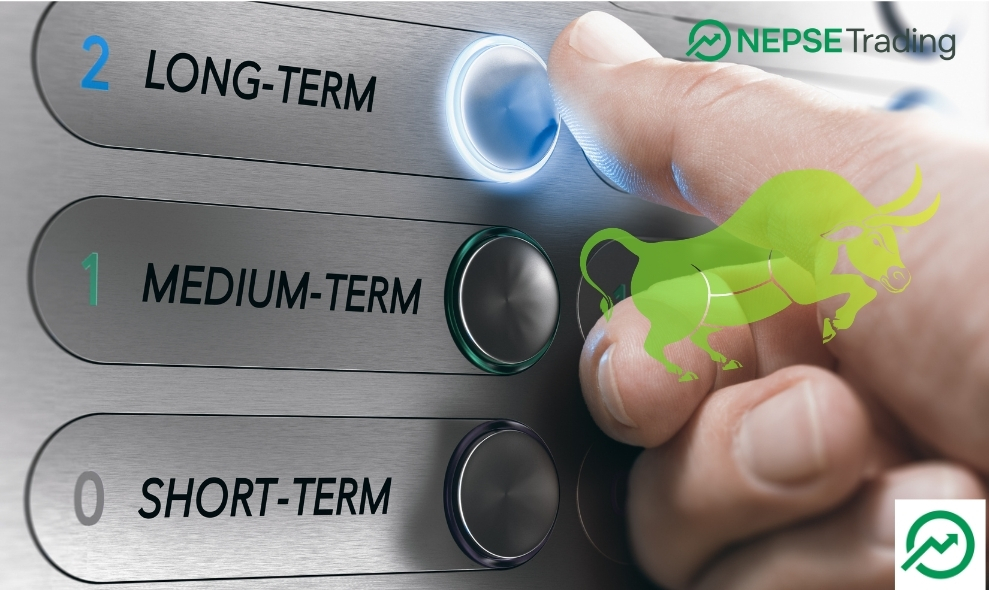
      दीर्घकालीन र अल्पकालीन लगानी: दुई भिन्न दृष्टिकोण दीर्घकालीन र अल्पकालीन लगानी दुई भिन्न दृष्टिकोण हुन्, जसका आफ्नै उद्देश्य र रणनीति हुन्छन्। यी दुवै लगानीका प्रकारहरूको फरकलाई तलको टेबलमा दाँजेर बुझ्न सकिन्छ। दीर्घकालीन लगानी १. उद्देश्य: दीर्घकालीन लगानीकर्ताको उद्देश्य लामो समयावधिका लागि सम्पत्ति होल्ड गरेर कम्पनीको वृद्धि र नाफाबाट लाभ आर्जन गर्नु हो। प्रायः पेन्सन फन्डको अवधारणामा गरिन्छ। २. लाभ: दीर्घकालीन लगानीकर्ताले समयसँगै पर्याप्त वृद्धि हुने, नियमित लाभांश बाँड्ने र बिक्री गर्न सहज कम्पनीको शेयरमा लगानी गर्छन्। कम्पनीको आधारभूत पक्षको आधारमा लगानी गरिन्छ। ३. जोखिम सहनशीलता: दीर्घकालीन लगानीकर्ताले सामान्यतया बढी जोखिम सहन सक्छन् किनभने उनीहरूलाई बजारको उतारचढावबाट बाहिर निस्कने लामो अनुभव हुन्छ। ४. रणनीति: किन्नु र होल्ड गर्नु दीर्घकालीन लगानीकर्ताको साझा रणनीति हो। बजारमा नयाँ लगानीकर्ताहरू डराएको अवस्थामा दीर्घकालीन लगानीकर्ता आफूले विश्वास गरेको कम्पनीको शेयर किन्छन् र नयाँ लगानीकर्ताहरूले खरिद गर्दा बिक्री गर्छन्। ५. कर लाभ: दीर्घकालीन लगानीकर्ताले करमा पनि लाभ लिन्छन्। एक वर्षभन्दा बढी राखिएको सम्पत्तिहरूमा पूँजीगत लाभकर ५ प्रतिशत मात्र तिर्नुपर्छ। ६. समान्य कारोबार: दीर्घकालीन लगानीकर्ताले नियमित कारोबार कम गर्छन्। एकपटक खरिद गरेपछि वित्तीय लक्ष्य पूरा नगरेसम्म बिक्री गर्दैनन्। अल्पकालीन लगानी १. उद्देश्य: अल्पकालीन लगानी तुरुन्त प्रतिफल प्राप्त गर्ने उद्देश्यले गरिन्छ। लगानीकर्ताले बजारको उतारचढावलाई अवसर मानेर तरलता आवश्यकता परिपूर्ति गर्छन्। २. लाभ: लगानीकर्ताले सानो कम्पनी, बजारको हल्ला र साथीभाइको सल्लाहमा लगानी गर्छन्। प्राविधिक ज्ञानको आधारमा खरिद बिक्री गरिन्छ। ३. जोखिम सहनशीलता: अल्पकालीन लगानीकर्तासँग जोखिम सहन क्षमता कम हुन्छ र उनीहरूको लगानी पनि पर्याप्त मात्रामा नहुने भएकाले पूँजी जोगाउने र तत्काल प्रतिफल लक्षित हुन्छन्। ४. रणनीति: अल्पकालीन लगानीकर्ताहरू सक्रिय कारोबारमा संलग्न हुन्छन्। छोटो समयमा खरिदबिक्री गर्छन् र प्राविधिक विश्लेषण तथा बजार समयको सहायता लिन्छन्। ५. कर: अल्पकालीन लाभ कर दीर्घकालीन लाभकर भन्दा बढी हुन्छ। खरिद गरेको शेयर एक वर्षभन्दा कम समयमा बेच्दा पूँजीगत लाभकर ७.५ प्रतिशत तिर्नुपर्छ, जसले प्रतिफलमा असर गर्छ। ६. निरन्तर कारोबार: अल्पकालीन लगानीकर्ताले निरन्तर खरिद–बिक्री जारी राख्छन्। यसरी निरन्तरको कारोबारले लागत दीर्घकालीन लगानीकर्ताको तुलनामा धेरै हुन्छ। कुन लगानी उपयुक्त ? बजारको उतारचढाव सहन सक्ने लामो समयको वित्तीय लक्ष्य भएका व्यक्तिहरूका लागि दीर्घकालीन लगानी उपयुक्त हुन्छ। तुरुन्तै लाभ चाहिने र छोटो अवधिका अवसरहरूको फाइदा लिन चाहनेका लागि अल्पकालीन लगानी उपयुक्त हुन्छ। दुवै लगानीमा विविधीकरण र जोखिम व्यवस्थापन गर्न आवश्यक छ। तपाईंको वित्तीय आवश्यकता र उद्देश्य पूरा गर्न पोर्टफोलियोमा दीर्घकालीन र अल्पकालीन दुवै लगानीको संयोजन राम्रो मानिन्छ। निष्कर्ष दीर्घकालीन र अल्पकालीन लगानीका बीचको छनोट तपाईंको वित्तीय लक्ष्य, जोखिम सहन क्षमता र लगानी अवधिमा निर्भर गर्छ। एक राम्रो सन्तुलित पोर्टफोलियोले विभिन्न वित्तीय आवश्यकताहरूलाई सम्बोधन गर्न र समयसँगै स्थिरता र वृद्धि प्रदान गर्न मद्दत गर्छ। दीर्घकालीन र अल्पकालीन दुवै लगानीका फाइदा र जोखिमलाई विचार गरी सही निर्णय लिनु महत्वपूर्ण हुन्छ।Long-term and short-term investments are two different approaches, each with its own objectives and strategies. The differences between these two types of investments are compared in the table below. Long-Term Investment 1. Objective: The primary goal of long-term investors is to hold assets for an extended period and benefit from the company's growth and profits. Typically, long-term investments are made with the concept of pension funds. 2. Benefits: Long-term investors generally invest in shares of companies that show substantial growth over time, pay regular dividends, and are easy to sell. Investments are made based on the company's fundamental aspects. 3. Risk Tolerance: Long-term investors can generally tolerate higher risks as they have experience dealing with market fluctuations over a long period. 4. Strategy: A common strategy for long-term investors is to buy and hold assets for a certain period. When new investors are fearful, long-term investors buy shares of companies they trust and sell when there is a buying frenzy among new investors. 5. Tax Benefits: Long-term investors also benefit from lower taxes. Assets held for more than one year are subject to only a 5% capital gains tax. 6. Transaction Frequency: Long-term investors typically trade less frequently. Once they purchase shares, they hold onto them unless there is a significant deviation from their plan and goals. They do not re-enter the market until the shares reach their buying level again. Short-Term Investment 1. Objective: Short-term investments are made with the aim of gaining immediate returns. Investors take advantage of market fluctuations to meet liquidity needs and capitalize on short-term opportunities. 2. Benefits: Short-term investors often invest based on market rumors, advice from friends, and in small companies. They focus on technical knowledge for buying and selling, rather than the company's growth or dividends. 3. Risk Tolerance: Short-term investors have a lower risk tolerance and typically have less capital, so their focus is on preserving capital and targeting immediate returns. 4. Strategy: Short-term investors are usually involved in active trading. They make buy and sell decisions based on technical analysis and market timing. 5. Tax Implications: Short-term capital gains tax is generally higher than long-term capital gains tax. Selling shares within one year incurs a 7.5% capital gains tax, affecting the overall return. 6. Frequent Trading: Short-term investors continue to buy and sell regardless of whether they achieve short-term goals. This frequent trading results in higher transaction costs compared to long-term investors. Which Investment is Suitable? Long-term investment is suitable for individuals with financial goals that can withstand market fluctuations over a long period. Short-term investment is ideal for those seeking immediate returns and wanting to capitalize on short-term opportunities. Both types of investments require diversification and risk management. Combining both long-term and short-term investments in your portfolio can help meet various financial needs and objectives. Conclusion Choosing between long-term and short-term investments depends on your financial goals, risk tolerance, and investment horizon. A well-balanced portfolio addresses different financial needs and provides stability and growth over time. Considering the benefits and risks of both investment types is crucial for making informed decisions.

      NEPSE trading·1 Jun, 2024·2 min read
    • के हो डिम्याट खाता ?
      Education

      के हो डिम्याट खाता ? What is Demat Account ?

      शेयर कारोबार गर्ने लगानीकर्ताहरूले आफ्नो शेयरलाई सुरक्षित र सहज तरिकाले भण्डारण गर्नका लागि प्रयोग गर्ने खाता डिम्याट खाता हो। डिम्याट अंग्रेजी शब्द डिम्याटेरियलाइजेसन (Dematerialization) को छोटकरी रूप हो, जसको अर्थ भौतिक प्रमाणपत्रलाई विद्युतीय रूपमा बदल्नु हो। नेपालमा धितोपत्र कारोबारलाई सुरक्षित, सरल र आधुनिक बनाउन नेपाल धितोपत्र बोर्ड (सेबोन) ले १ साउन २०७३ बाट अनिवार्य रूपमा डिम्याट खाता खोल्नुपर्ने नियम लागू गरेको छ। डिम्याट खाताको महत्व डिम्याट खाता बैंक खाताको जस्तै हो, जसमा शेयर, म्युचुअल फन्डका एकाइ, ऋणपत्र आदि विद्युतीय रूपमा भण्डारण गरिन्छ। यसले कागजी प्रमाणपत्रको आवश्यकता हटाउँछ र कारोबारलाई सुरक्षित बनाउँछ। लगानीकर्ताले बैंकमा नगद जम्मा गर्ने जस्तै गरी, डिम्याट खातामा शेयर जम्मा गर्न सक्छन् र विद्युतीय रूपमा कारोबार गर्न सक्छन्। डिम्याट खाताका फाइदा १. विद्युतीय भण्डारण: डिम्याट खातामा शेयरहरू विद्युतीय रूपमा भण्डारण गरिन्छ, जसले भौतिक प्रमाणपत्रको झन्झट हटाउँछ। यसले शेयरको हराउने, चोरी हुने, वा क्षति हुने जोखिमलाई कम गर्छ। २. केन्द्रीय निक्षेप: नेपालमा केन्द्रीय निक्षेप निकायका रूपमा सीडीएस एण्ड क्लियरिङ लिमिटेड (सीडीएससी) ले काम गर्दछ। यसले सबै सूचीकृत धितोपत्रहरूको कस्टोडियनको रूपमा कार्य गर्दछ र लगानीकर्ताको डिम्याट खाता खोल्न तथा सञ्चालन गर्न सहयोग गर्छ। ३. सहज लेनदेन: डिम्याट खाताको प्रयोगले शेयर खरिद-बिक्री प्रक्रिया सजिलो बनाएको छ। लगानीकर्ताले विद्युतीय रूपमा शेयर खरीद-बिक्री गर्न सक्छन् र तुरुन्तै आफ्नो डिम्याट खातामा जम्मा वा घटाउन सक्छन्। ४. कागजरहित कारोबार: डिम्याट खाताको प्रयोगले कागजी प्रमाणपत्रको आवश्यकता हटाउँछ, जसले कारोबारलाई छिटो र सुरक्षित बनाउँछ। ५. कम लागत: डिम्याट खाता खोल्न र सञ्चालन गर्न कम लागत लाग्छ। पहिलो पटक रु. १५० तिर्नुपर्छ र हरेक वर्ष नवीकरणका लागि रु. १०० तिर्नुपर्छ। डिम्याट खाता सञ्चालन प्रक्रिया डिम्याट खाता खोल्नका लागि लगानीकर्ताले नेपाल धितोपत्र बोर्डबाट अनुमति प्राप्त तथा सीडीएससीबाट सदस्यता प्राप्त गरेका निक्षेप सदस्य (डीपी) मा जानुपर्छ। डीपीले लगानीकर्ताको डिम्याट खाता खोल्न, धितोपत्र जम्मा गर्न, तथा अन्य सेवा प्रदान गर्न सहयोग गर्छ। डिम्याट खाता सञ्चालनका प्रमुख पक्षहरू १. केन्द्रीय निक्षेप निकाय: सीडीएससीले डिम्याट खातामा धितोपत्र भण्डारण तथा व्यवस्थापन गर्छ। यसले निक्षेप सदस्यहरूलाई सदस्यता दिई उनीहरूको कार्यको अनुगमन र निरीक्षण गर्दछ। २. निक्षेप सदस्य (डीपी): डीपीहरू बैंक, वित्तीय संस्था, मर्चेन्ट बैंकर वा धितोपत्र ब्रोकर हुनुपर्छ। यिनीहरूले लगानीकर्तालाई डिम्याट खाता खोल्न, धितोपत्र जम्मा गर्न, र कारोबार गर्न सहयोग गर्छन्। ३. धितोपत्र जारी गर्ने कम्पनीहरू: यिनीहरूले धितोपत्र सर्वसाधारणमा निष्काशन गरी शेयर रजिष्ट्रार मार्फत डिम्याट खातामा शेयर जम्मा गरिदिन्छन्। निष्कर्ष डिम्याट खाताको प्रयोगले शेयर कारोबारलाई आधुनिक, सुरक्षित र छिटो बनाएको छ। यसले शेयर बजारमा लगानी गर्न सहजता प्रदान गरेको छ र लगानीकर्ताको संख्यामा वृद्धि गरेको छ। डिम्याट खाताले विद्युतीय माध्यमबाट धितोपत्रको सुरक्षित भण्डारण र सरल कारोबारको व्यवस्था गरेको छ। यसको प्रयोगले नेपालको पूँजी बजारलाई थप सुदृढ र विश्वसनीय बनाउने विश्वास गरिएको छ।A Demat account is used by investors to store their purchased shares electronically. The term "Demat" is short for "Dematerialization," which means converting physical share certificates into electronic form. In Nepal, the Securities Board of Nepal (SEBON) mandated that investors must open a Demat account from Shrawan 1, 2073, to trade securities. This step was taken to make securities transactions safe, simple, and modern. Importance of Demat Account A Demat account functions similarly to a bank account, where shares, mutual fund units, bonds, and other securities can be stored electronically. This eliminates the need for physical certificates and makes transactions secure. Investors can deposit their shares into a Demat account, just like depositing cash in a bank account, and conduct electronic transactions. Benefits of Demat Account 1. Electronic Storage: Securities purchased from the primary market (IPOs) and secondary market (stock exchanges) are stored electronically in a Demat account, eliminating the need for physical certificates and making investment management easy and safe. 2. Central Depository: In Nepal, the Central Depository System and Clearing Limited (CDSC) manages the depository and operational responsibilities of listed companies and other listed securities. As a central depository, CDSC acts as the custodian of all listed securities. 3. Ease of Transactions: A Demat account simplifies the buying and selling of listed shares, mutual funds, and bonds. When securities are purchased from the primary or secondary market, they are credited to the Demat account, and when sold, they are debited from the account. Transfers due to inheritance, court orders, or other legal means can also be processed electronically through a Demat account. 4. Accessibility and Convenience: Demat accounts provide ease of access to investments. Investors can view their share purchase and sale details online, making it easier to manage their investments. 5. Paperless Transactions: The use of Demat accounts has eliminated the need for physical paperwork in investment transactions, reducing the risk of losing, damaging, or misplacing physical certificates. 6. Cost-Effective: Opening and maintaining a Demat account is cost-effective. Currently, it costs NPR 150 for the initial setup (NPR 50 for account opening and NPR 100 for annual maintenance) and NPR 100 for yearly renewal. An additional NPR 50 per year is required for the Meroshare online service. How to Operate a Demat Account To open a Demat account, investors need to approach a depository participant (DP) authorized by SEBON and CDSC. The DP assists in opening the account, depositing securities, and providing other related services. Key Stakeholders in Demat Account Operation 1. Central Depository (CDSC): CDSC establishes the rules, regulations, and systems necessary for the electronic storage of securities. It ensures that securities deposited by investors are safely stored in Demat accounts and supervises the activities of DPs. 2. Depository Participants (DPs): DPs are intermediaries or agents that connect investors to the central depository's electronic system. They help investors open Demat accounts, deposit securities, and facilitate transactions. 3. Securities Issuing Companies: These companies issue securities to the public and, after allocation, ensure that the securities are credited to the investors' Demat accounts through their share registrars. Conclusion The use of Demat accounts has modernized, secured, and expedited the process of securities transactions. It has made investing in the stock market easier and increased the number of investors. Demat accounts ensure the safe electronic storage and easy transaction of securities, contributing to a more robust and reliable capital market in Nepal.

      NEPSE trading·1 Jun, 2024·2 min read
    • शेयर मूल्य समायोजन: बोनस र हकप्रदको प्रक्रिया
      Education

      शेयर मूल्य समायोजन: बोनस र हकप्रदको प्रक्रियाStock Price Adjustment: Process for Bonus and Rights Shares

      नेपालमा शेयर बजारमा बोनस र हकप्रद शेयरहरूको मूल्य समायोजन कसरी गरिन्छ भन्ने कुरा सबै लगानीकर्ताहरूलाई थाहा हुनु जरुरी छ। यस लेखमा, हामी बोनस र हकप्रद शेयरहरूको मूल्य समायोजन गर्ने प्रक्रियालाई उदाहरण सहित बुझ्नेछौं। बोनस शेयरको मूल्य समायोजन कम्पनीले बोनस शेयर बाँड्न निर्णय गरेपछि, बुक क्लोजको दिनमा शेयरको बजार मूल्य समायोजन गरिन्छ। यो समायोजन कम्पनीले बाँडेको बोनस शेयरको प्रतिशतको आधारमा गणना गरिन्छ। उदाहरणको रूपमा सगरमाथा इन्स्योरेन्सको बोनस शेयर समायोजनको प्रक्रिया हेर्नुहोस्: उदाहरण: - सगरमाथा इन्स्योरेन्सले ८६% बोनस शेयर प्रयोजनार्थ जुन १६ गते बुक क्लोज गरेको थियो। यसको मतलब जुन १३ सम्म कायम शेयरधनीले उक्त बोनस शेयर प्राप्त गर्नेछन्। - जुन १३ गतेको बजार मूल्य: १२६८ समायोजनको सूत्र: हकप्रद शेयरको मूल्य समायोजन हकप्रद शेयरको हकमा, शेयरधनीले कम्पनीले प्रदान गरेको शेयर खरिद गर्न पाउँछन्। बुक क्लोजको दिनमा शेयरको बजार मूल्य समायोजन गरिन्छ। जनउत्थान सामुदायिक लघुवित्तको हकप्रद शेयर समायोजनको प्रक्रिया हेर्नुहोस्: उदाहरण: - जनउत्थान सामुदायिक लघुवित्तले १००% हकप्रद शेयर प्रयोजनार्थ जुन १७ गते बुक क्लोज गरेको थियो। यसको मतलब जुन १६ सम्म कायम शेयरधनीले उक्त हकप्रद शेयर खरिद गर्न पाउनेछन्। - जुन १६ गतेको बजार मूल्य: १७०० समायोजनको सूत्र: #### महत्वपूर्ण जानकारी - बुक क्लोजको दिन: कम्पनीले घोषणा गरेको दिनसम्म कायम शेयरधनीले बोनस वा हकप्रद शेयर प्राप्त गर्छन्। - बोनस शेयर: बोनस शेयर प्राप्त गर्दा, कम्पनीको बजार मूल्य घट्छ किनकि थप शेयरहरू बजारमा आउँछन्। - हकप्रद शेयर: हकप्रद शेयरको मूल्य समायोजन गर्दा, शेयरधनीले खरिद गरेको हकप्रद शेयरको मूल्यलाई गणनामा समावेश गरिन्छ। यसरी, शेयर बजारमा बोनस र हकप्रद शेयरको मूल्य समायोजन कसरी गरिन्छ भन्ने कुरा बुझ्न आवश्यक छ। यसले लगानीकर्तालाई सही निर्णय गर्न मद्दत पुर्‍याउँछ।Understanding how stock prices are adjusted for bonus and rights shares is crucial for all investors in the stock market. This article explains the process of price adjustment for bonus and rights shares with examples. Bonus Shares Price Adjustment When a company decides to distribute bonus shares, the stock price is adjusted on the book closure date. The adjustment is calculated based on the percentage of bonus shares issued. Here's an example using Sagarmatha Insurance: Example: - Sagarmatha Insurance declared an 86% bonus share with a book closure date of June 16. This means shareholders as of June 13 are eligible for the bonus shares (as there was no trading on June 14 and 15). - Market price on June 13: NPR 1268 Rights Shares Price Adjustment For rights shares, shareholders have the right to purchase additional shares at a specified price. The stock price is adjusted on the book closure date. Here's an example using Janutthan Samudayik Laghubitta: Example: - Janutthan Samudayik Laghubitta declared a 100% rights issue with a book closure date of June 17. This means shareholders as of June 16 are eligible to purchase the rights shares. - Market price on June 16: NPR 1700 Important Information - Book Closure Date: Shareholders on record as of this date are eligible for bonus or rights shares. - Bonus Shares: When bonus shares are issued, the market price decreases as additional shares enter the market. - Rights Shares: For rights shares, the purchase price of the rights shares is included in the calculation. By understanding the process of price adjustment for bonus and rights shares, investors can make informed decisions in the stock market.

      NEPSE trading·1 Jun, 2024·1 min read
    • नेपाल राष्ट्र बैंकले बैंकिङ प्रणालीबाट ३५ अर्ब रुपैयाँ तरलता निकाल्ने
      Investor

      नेपाल राष्ट्र बैंकले बैंकिङ प्रणालीबाट ३५ अर्ब रुपैयाँ तरलता निकाल्नेNepal Rastra Bank to Withdraw NPR 35 Billion in Liquidity from Banking System

      नेपाल राष्ट्र बैंकले बैंकिङ प्रणालीबाट ३५ अर्ब रुपैयाँ तरलता निकाल्ने नेपाल राष्ट्र बैंकले बैंकिङ प्रणालीमा धेरै पैसा थुप्रिएपछि ३५ अर्ब रुपैयाँ तरलता निकाल्ने निर्णय गरेको छ। राष्ट्र बैंकले जेठ ११ गते निक्षेप संकलन बोलकबोल मार्फत ७ दिनका लागि यो रकम निकाल्ने भएको हो। हाल बैंकिङ प्रणालीमा निक्षेप (डिपोजिट) बढिरहेको छ तर सोहीअनुसार ऋणको माग भने कम भइरहेको छ। यसका कारण बैंकहरूमा पैसा थुप्रिएको छ। राष्ट्र बैंकको पछिल्लो तथ्यांक अनुसार, जेठ ७ गतेसम्म बैंक तथा वित्तीय संस्थाहरूले ६१ खर्ब ९४ अर्ब रुपैयाँ निक्षेप संकलन गरेका छन् तर ५१ खर्ब १३ अर्ब रुपैयाँ मात्र ऋण लगानी गरेका छन्। समीक्षा अवधिमा ८०.३२ प्रतिशत कर्जा निक्षेप अनुपात (सीडी रेसियो) कायम गरेका बैंकहरूसँग ५ खर्बभन्दा बढी लगानीयोग्य रकम छ। बैंकहरूसँग पर्याप्त तरलता रहेकाले अन्तर बैंक ब्याजदर २.९२ प्रतिशतमा झरेको छ भने ट्रेजरी बिलको ब्याजदर पनि अधिकतम ३.२० प्रतिशतमा खुम्चिएको छ। यस कारणले गर्दा पनि केन्द्रीय बैंकले पछिल्ला दिनहरूमा रिभर्स रिपो अर्थात् निक्षेप संकलन उपकरण मार्फत लगातार बैंकिङ प्रणालीबाट तरलता निकालिरहेको छ। शुक्रबार ३५ अर्ब रुपैयाँ बराबरको निक्षेप संकलन बोलकबोल गर्ने राष्ट्र बैंकले सोही दिन निष्कासन गर्नेछ। इच्छुक बैंक तथा वित्तीय संस्थाहरूले दिउँसो १२ बजेसम्म आवेदन दिन सक्नेछन्। यसरी तरलता प्रशोधन गर्नुको उद्देश्य बैंकिङ प्रणालीमा सन्तुलन कायम गर्नु हो। जब बैंकहरूमा धेरै पैसा थुप्रिन्छ र त्यो पैसा प्रयोगमा आउँदैन भने आर्थिक प्रणालीमा असन्तुलन आउन सक्छ। यसलाई रोक्न र आर्थिक स्थायित्व कायम गर्न राष्ट्र बैंकले यस्तो कदम चालेको हो।Nepal Rastra Bank to Withdraw NPR 35 Billion in Liquidity from Banking System Nepal Rastra Bank (NRB) has decided to withdraw NPR 35 billion in liquidity from the banking system due to an excess accumulation of funds. The central bank will conduct a deposit collection auction on May 24 for a period of seven days to manage this liquidity. Recently, deposits in the banking system have been increasing, while the demand for loans has not kept pace, leading to excess liquidity. According to the latest data from NRB, as of May 21, banks and financial institutions had collected NPR 6.194 trillion in deposits but had disbursed only NPR 5.113 trillion in loans. During this period, banks maintained a credit-deposit ratio (CD ratio) of 80.32%, leaving them with more than NPR 500 billion in investable funds. Due to the ample liquidity with banks, the interbank interest rate has dropped to 2.92%, and the interest rate on treasury bills has also shrunk to a maximum of 3.20%. In response, the central bank has been continuously withdrawing liquidity from the banking system through reverse repo operations and deposit collection tools. On Friday, the central bank will conduct a deposit collection auction for NPR 35 billion, which will be issued the same day. Interested banks and financial institutions can submit their applications by 12 noon. The objective of this liquidity withdrawal is to maintain balance in the banking system. When banks accumulate excess funds that are not utilized, it can lead to economic imbalances. By withdrawing this excess liquidity, NRB aims to ensure economic stability and balance within the financial system.

      NEPSE trading·23 May, 2024·1 min read
    • शेयर खरिद गर्दा के–के कुरामा ध्यान दिनु पर्छ ?
      Investor

      शेयर खरिद गर्दा के–के कुरामा ध्यान दिनु पर्छ ? Investing in the Stock Market: How to Become a Successful Investor

      शेयर बजारमा लगानी गर्न चाहने लगानीकर्ताले सही जानकारी र सावधानी अपनाउनु धेरै महत्वपूर्ण हुन्छ। जब कुनै कम्पनीले पहिलो पटक शेयर सार्वजनिक निष्कासन गर्छ, लगानीकर्ताले निम्न कुराहरू ध्यानमा राख्नुपर्छ: १. कम्पनीको जानकारी लिनुहोस् शेयर खरिद गर्नुअघि, लगानीकर्ताले सम्बन्धित कम्पनीको विवरणपत्र, प्रबन्धपत्र र नियमावली अध्ययन गर्नुपर्छ। यसले कम्पनीको व्यवसायको प्रकृति, आर्थिक स्थिति, जोखिमहरू र संस्थापक सञ्चालकहरूको बारेमा जानकारी दिन्छ। यस्ता जानकारीको अध्ययन गरेर मात्र लगानीको निर्णय गर्नु उपयुक्त हुन्छ। २. दोस्रो बजारमा लगानी गर्दा सावधानी अपनाउनुहोस् दोस्रो बजारमा शेयर किनबेच गर्दा पनि सावधानी अपनाउनु पर्छ। जोखिम, प्रतिफल, र भविष्यको संभावनाहरूको पूर्ण ज्ञान राख्नुपर्छ। दोस्रो बजारमा लगानी गर्दा कम्पनीको आर्थिक विवरण, वार्षिक प्रतिवेदन, र संस्थापक सञ्चालकहरूको विगतको कार्यसम्पादनको आधारमा निर्णय लिनु उपयुक्त हुन्छ। ३. सूचनाहरूको आधारमा निर्णय गर्नुहोस् कम्पनीहरूले समयसमयमा सार्वजनिक गर्ने सूचनाहरूको आधारमा पनि निर्णय लिनुपर्छ। स्टक एक्सचेन्ज मार्फत सार्वजनिक हुने संवेदनशील सूचना, जस्तै कम्पनीको मुनाफा, घाटा, नयाँ योजनाहरू, र अन्य महत्वपूर्ण घटनाहरूले शेयरको मूल्यमा प्रभाव पार्न सक्छन्। यसलाई ध्यानमा राखेर मात्र लगानी गर्नु बुद्धिमानी हुन्छ। ४. विशेषज्ञसँग सल्लाह लिनुहोस् लगानीकर्ताले आफूलाई विश्वास लागेको धितोपत्र दलाल वा वित्तीय विशेषज्ञसँग सल्लाह गरेर मात्र शेयर खरिद बिक्री सम्बन्धी निर्णय लिनु उपयुक्त हुन्छ। विशेषज्ञहरूले बजारको अवस्था, कम्पनीहरूको स्थिति, र लगानीका अवसरहरूको बारेमा राम्रो जानकारी दिन सक्छन्, जसले लगानीकर्तालाई सही निर्णय लिन मद्दत गर्छ। ५. बजारको माग र आपूर्तिको आधारमा मूल्य निर्धारण स्टक एक्सचेन्जमा शेयरको मूल्य बजारको माग र आपूर्तिको आधारमा निर्धारण हुन्छ। जब धेरै लगानीकर्ताले कुनै शेयर खरिद गर्न चाहन्छन्, त्यसको मूल्य बढ्छ, र जब धेरैले बेच्न चाहन्छन्, मूल्य घट्छ। यसकारण, बजारको माग र आपूर्तिलाई ध्यानमा राखेर शेयर खरिद बिक्री गर्नु पर्छ। ६. दलालको भूमिका र कमिसन स्टक एक्सचेन्जमा शेयर कारोबार सदस्य दलाल मार्फत हुन्छ। धितोपत्र किनबेच गर्नेले दलाललाई कमिसन तिर्नुपर्छ। दलालहरूले लगानीकर्तालाई शेयर खरिद बिक्रीमा मद्दत गर्छन् र सही समयमा सही निर्णय लिन सल्लाह दिन्छन् । शेयर बजारमा लगानी गर्दा सही जानकारी र सावधानी अपनाउनु अत्यावश्यक छ। कम्पनीको व्यवसायको प्रकृति, आर्थिक स्थिति, जोखिमहरू, र संस्थापक सञ्चालकहरूको बारेमा जान्नु, विशेषज्ञसँग सल्लाह लिनु, बजारको माग र आपूर्तिलाई ध्यानमा राखेर निर्णय लिनु, र दलालमार्फत कारोबार गर्नु आवश्यक छ। यसरी, लगानीकर्ताले सही निर्णय लिएर शेयर बजारमा सफल हुन सक्छन् ।Investing in the Stock Market: How to Become a Successful Investor Investors looking to invest in the stock market must gather accurate information and exercise caution. When a company issues shares for the first time, investors should consider the following points: 1. Understand the Company Before buying shares, investors should study the company’s prospectus, memorandum, and articles of association. This provides insights into the nature of the business, its financial status, risks involved, and details about the founding directors. Making an informed decision based on this information is essential. 2. Exercise Caution in the Secondary Market When trading shares in the secondary market, caution is equally important. Investors should have a thorough understanding of the risks, returns, and future prospects. Decisions should be based on the company's financial performance, annual reports, and the past performance of the founding directors. 3. Make Decisions Based on Information Investors should base their decisions on the information companies periodically release. Sensitive information that can affect stock prices, such as profit, loss, new plans, and other significant events, should be considered. Making investment decisions with this information in mind is wise. 4. Consult with Experts Investors should consult with trusted stockbrokers or financial experts before making decisions about buying and selling shares. Experts can provide valuable insights into market conditions, company statuses, and investment opportunities, helping investors make informed decisions. 5. Price Determination Based on Market Demand and Supply In the stock exchange, share prices are determined by market demand and supply. When many investors want to buy a particular share, its price increases, and when many want to sell, the price decreases. Therefore, investors should consider market demand and supply when buying and selling shares. 6. Role of Brokers and Commission Share trading in the stock exchange is conducted through member brokers. Investors have to pay a commission to brokers for buying and selling shares. Brokers assist investors in making transactions and provide advice on making timely and appropriate decisions. Investing in the stock market requires accurate information and caution. Understanding the nature of the business, its financial status, risks, and founding directors, consulting with experts, considering market demand and supply, and trading through brokers are essential steps. By following these guidelines, investors can make informed decisions and achieve success in the stock market.

      NEPSE trading ·22 May, 2024·2 min read
    • शेयर बजारमा सफल हुने पिटर लिन्चका ४ टिप्स
      Top

      शेयर बजारमा सफल हुने पिटर लिन्चका ४ टिप्स Peter Lynch's 4 Tips to Succeed in the Stock Market

      अमेरिकी सेयर बजारका सफल लगानीकर्तामध्येका एक हुन्, पिटर लिन्च। लिन्चले २५ वर्षको उमेरमै सेयर बजारमा लगानी सुरु गरेका थिए। लगानी सुरु गरेको ८ वर्षमै उनी म्यागेल्लन फन्डको पोर्टफोलियो म्यानेजर बनेका थिए। उनको नेतृत्वमा फन्डले वार्षिक २९ प्रतिशत मुनाफा कमाएको थियो। १३ वर्षको अवधिमा, उनले फन्डको कुल पुँजी १८ मिलियनबाट १४ बिलियन डलरसम्म पुर्याए। नयाँ र अनुभवी लगानीकर्ताले लिन्चबाट धेरै सिक्न सक्छन्। उनकी रणनीतिलाई वारेन बफेट, चार्ली मंगर, हावर्ड मार्क्सजस्ता ठूला लगानीकर्ताले पनि प्रशंसा गरेका छन्। यहाँ लिन्चका चार महत्वपूर्ण सुझाव प्रस्तुत गरिएका छन् : १. दीर्घकालीन लगानी गर्नुहोस् धेरै लगानीकर्ता सेयर बजारबाट छोटो समयमा धेरै कमाउन चाहन्छन्। कम मूल्यमा खरिद गरेर चाँडै नाफामा बेच्न चाहन्छन्। तर, लिन्चका अनुसार, बजारमा दीर्घकालीन लगानी गर्दा बढी मुनाफा हुन्छ। राम्रो लाभांश दिने कम्पनी छानेर लामो समयसम्म होल्ड गर्दा बजारले समयसँगै धेरै फाइदा दिन्छ। वारेन बफेटले पनि दीर्घकालीन लगानी गर्ने रणनीति अपनाएका छन्। उनले कोकाकोला कम्पनीको सेयर विगत ३३ वर्षदेखि होल्ड गरेका छन्। २. धैर्यता हुनुपर्छ सेयर बजार सधैँ बढ्दैन। धेरै लगानीकर्ता बजार बढ्दा खरिद र घट्दा बिक्री गर्छन्, जसले गर्दा घाटा बेहोर्छन्। छोटो अवधिका लागि बजारको भविष्यवाणी गरेर लगानी गर्नु लाभदायी हुँदैन। धैर्यवान लगानीकर्ताले लामो अवधिमा राम्रो कमाउन सक्छन्। बजारमा उतार-चढाव भए पनि धैर्यता राख्ने लगानीकर्ता नै सफल हुन्छन्। ३. खोज र अनुसन्धान गरेर लगानी गर्नुहोस् धेरैजसो लगानीकर्ताले अरूको कुरा सुनेर लगानी गर्छन्। सामाजिक सञ्जालमा फैलिएका हल्लाको पछि लागेर सेयर खरिद गर्दा घाटा हुन्छ। कम्पनीको रिपोर्ट, पुँजी, नाफा–घाटा, सञ्चालकबारे अध्ययन गरेर लगानी गर्दा राम्रो मुनाफा हुन्छ। कम्पनीको आयस्रोत, वित्तीय अवस्था, प्रतिस्पर्धी, विस्तारको योजनाबारे जानकारी बिना लगानी गर्नु हुँदैन। ४. बुझेको कम्पनीमा मात्र लगानी गर्नुहोस् सेयर बजारमा लगानी गर्दा आफूले बुझेको कम्पनीमा मात्र लगानी गर्नुहोस्। बजारमा धेरै सेक्टरका कम्पनीहरू हुन्छन्। बैंकिङ, होटेल, हाइड्रो, बीमालगायत थुप्रै सेक्टर छन्। आफूले बुझेको कम्पनी भनेको के हो? यदि लगानीकर्ताले कुनै बैंकमा लगानी गर्दै छन् भने, उक्त कम्पनीका सञ्चालक, प्रतिस्पर्धी, नाफा, ग्राहक सेवा लगायत अन्य कुराहरू बुझेरमात्र लगानी गर्नुपर्छ। किन त्यो कम्पनीमा लगानी गर्ने भन्ने स्पष्ट हुनु पर्छ। यसरी मात्र सेयर बजारमा सफल लगानीकर्ता बन्न सकिन्छ। यी चार सुझाव अपनाएर, पिटर लिन्च जस्तै सफल सेयर लगानीकर्ता बन्न सकिन्छ। दीर्घकालीन सोच, धैर्यता, गहिरो अध्ययन, र बुझेर लगानी गर्ने बानीले मात्र सेयर बजारमा सफलता हासिल गर्न सकिन्छ।Peter Lynch is one of the successful investors in the American stock market. Lynch started investing in the stock market at the young age of 25. Within eight years of starting his investment journey, he became the portfolio manager of the Magellan Fund. Under his leadership, the fund achieved an annual return of 29%. Over 13 years, he grew the fund’s total capital from 18 million to 14 billion dollars. Both new and experienced investors can learn a lot from Lynch. His strategies are praised by renowned investors like Warren Buffett, Charlie Munger, and Howard Marks. Here are four important tips from Lynch: 1. Invest for the Long Term Many investors aim to make quick profits in the stock market. They want to buy at a low price and sell at a profit shortly after. However, according to Lynch, long-term investments yield better returns. By selecting companies that provide good dividends and holding them for an extended period, one can gain substantial profits over time. Warren Buffett also follows a long-term investment strategy, having held shares of Coca-Cola for 33 years. 2. Have Patience The stock market doesn’t always go up. Many investors buy during a rising market and sell during a falling market, leading to losses. Predicting the market’s short-term movements and investing accordingly is not beneficial. The patience of an investor often determines their success or failure in the stock market. Even during market fluctuations, patient investors can earn well over the long term. 3. Conduct Research and Analysis Before Investing Many investors invest based on others' opinions. In Nepal, too, many buy shares based on rumors spread on social media, often incurring losses. According to Lynch, studying the company’s reports, capital, profits and losses, and management before investing can lead to better returns. One should understand the company’s revenue sources, financial status, competitors, and expansion plans before investing. 4. Invest in Companies You Understand When investing in the stock market, focus on companies you understand. There are many sectors in the market, such as banking, hotels, hydropower, and insurance. What does it mean to understand a company? If you’re investing in a bank, know the company’s management, competitors, profits, and customer services. Be clear about why you are investing in that particular company over others. This approach helps in becoming a successful investor in the stock market. By following these four tips, one can become a successful stock market investor like Peter Lynch. Long-term thinking, patience, thorough research, and understanding the companies you invest in are the keys to achieving success in the stock market.

      NEPSE trading ·22 May, 2024·2 min read
    • AI बाट हेर्दा NEPSE सूचकले किन्न सुझाव दियो, Banking SubIndex कस्तो देखियो ?
      Investor

      AI बाट हेर्दा NEPSE सूचकले किन्न सुझाव दियो, Banking SubIndex कस्तो देखियो ? Looking at the AI, the NEPSE indicator suggested buying, how did the Banking SubIndex look ?

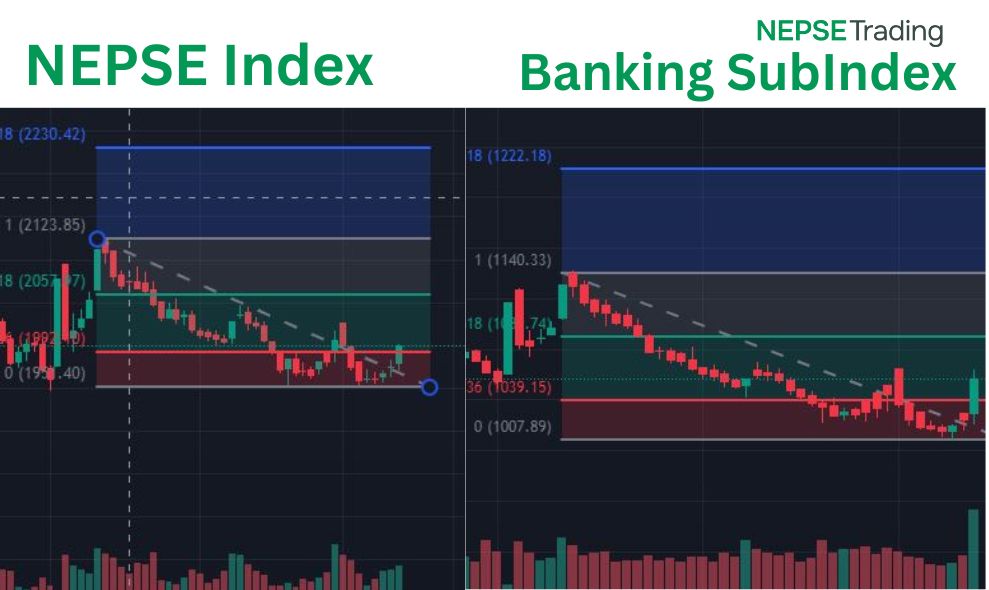
      नेपाली शेयर बजारको मुख्य सुचक नेप्सेले सोमबारको बजार पछि बाई दिएको देखिन्छ । हामिले एआई को माध्यमबाट फागुन ३० पछिको बजार हेर्दा नेप्सेले बाई दिएको हो । नेप्से सुचकले १ हजार ९ सय ९२ विन्दु पार गरेको छ । जसलाई प्राविधिक विश्लेषण गर्दा बाई दिएको हो । अब लगानीकर्ताले किन्नु पर्छ भनेर फिबोनाचीले बताएको छ । त्यसपछिको पहिलो टार्गेट भने २ हजार ५७ रहेको देखिन्छ । त्यो विन्दु पनि यदि नेप्सेले पार गर्छ भने दोस्रो टार्गेट २ हजार १२३ रहेको देखिन्छ । त्यस्तै नेप्से सुचकको तेस्रो टार्गेट भने २ हजार २ सय ३० रहेको छ जुन यो चाटमा समेत देखिन्छ । NEPSE, the main index of the Nepali stock market, seems to have given a bye after Monday's market. When we look at the market after February 30 through AI, NEPSE has given a bye. The NEPSE index has crossed 1,992 points. Which is given bye during technical analysis. Fibonacci has said that investors should buy now. The first target after that is 2 thousand 57. If NEPSE crosses that point, then the second target is 2 thousand 123. Likewise, the third target of the NEPSE index is 2,230, which is also visible in this chart.

      NEPSE trading·13 May, 2024·1 min read
    • १० प्रतिशतले घट्यो ब्रोकर कमिसन, अव कती तिर्नु पर्छ ?
      Popular News

      १० प्रतिशतले घट्यो ब्रोकर कमिसन, अव कती तिर्नु पर्छ ? Broker commission reduced by 10 percent, how much should be paid ?

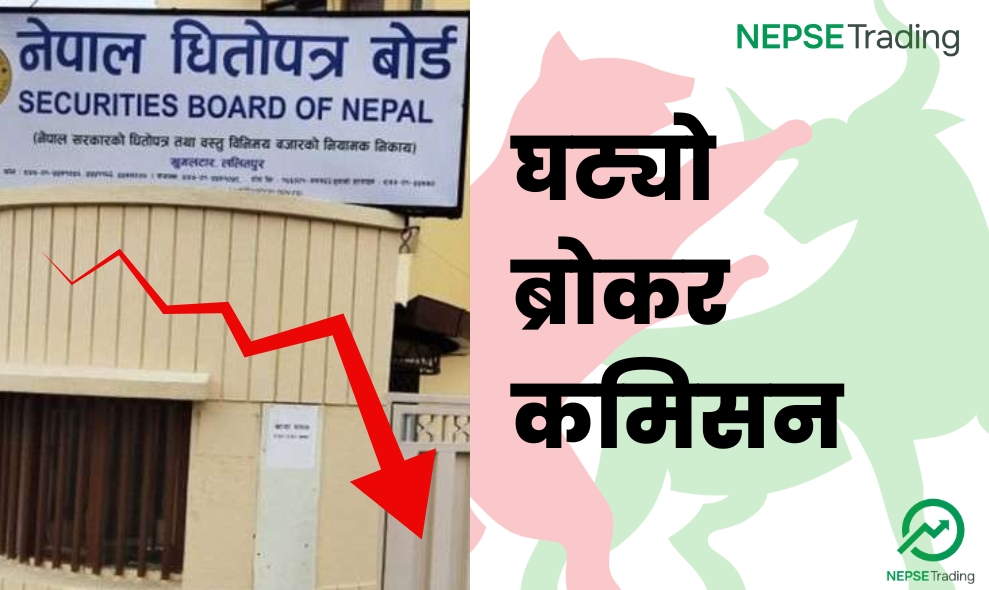
      १० प्रतिशतले घट्यो ब्रोकर कमिसन, अव कती तिर्नु पर्छ ? शेयर कारोबारमा लाग्दै आएको ब्रोकर कमिसन घटेको छ । धितोपत्र बोर्डको बोर्ड बैठकले ब्रोकर कमिसन साविकको दरभन्दा १० प्रतिशतले घटाउने निर्णय गरेको हो । यद्यपि सबै सञ्चालकको हस्ताक्षर बाँकी भएकोले यसलाई आधिकारिक रुपमा सार्वजनिक गर्न भने बाँकी छ । जेठपछि ५० हजारसम्मको कारोबारका लागि ०‍३६ प्रतिशत, ५० हजारदेखि ५ लाखसम्मको कारोबारमा ०‍३३ प्रतिशत, ५ लाख भन्दा माथि २० लाख रुपैयाँसम्मको कारोबारमा ०‍३१ प्रतिशत, २० लाख भन्दा माथि १ करोड सम्मको कारोबारमा ०‍२७ प्रतिशत र १ करोड भन्दा माथि जतिसुकैको कारोबारमा ०‍२४ प्रतिशत शुल्क लाग्नेछ । The broker commission for share trading has decreased. The board meeting of the Securities Board has decided to reduce the broker commission by 10 percent from the previous rate. However, it is yet to be officially released as all the directors' signatures are pending. After May, 036 percent will be charged for transactions up to 50,000, 0.33 percent for transactions between 50,000 and 5 lakhs, 031 percent for transactions above 5 lakhs up to 20 lakhs, 027 percent for transactions above 2 million rupees and 024 percent for transactions above 10 million rupees.

      Dipesh Ghimire ·7 May, 2024·<1 min read
    • आर्थिक रूपान्तरणमा गति दिन सरकार प्रतिबद्ध छ : प्रचण्ड
      Economy

      आर्थिक रूपान्तरणमा गति दिन सरकार प्रतिबद्ध छ : प्रचण्ड The government is committed to accelerating economic transformation: Prachanda

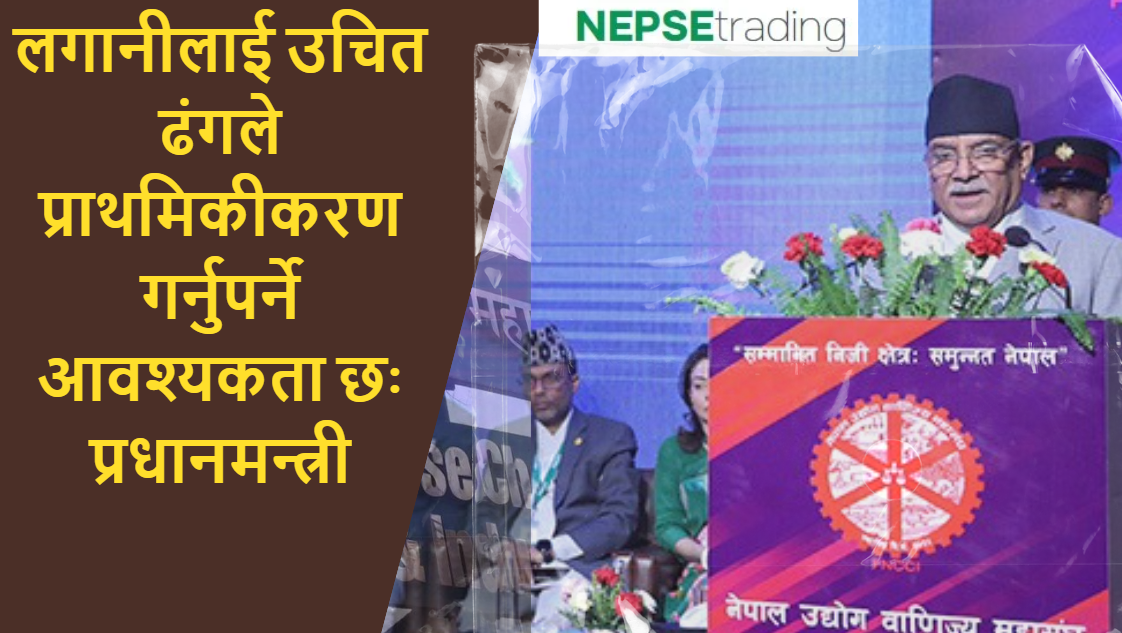
      आर्थिक रूपान्तरणमा गति दिन सरकार प्रतिबद्ध छ : प्रचण्ड प्रधानमन्त्री पुष्पकमल दाहाल ‘प्रचण्ड’ले उद्योगी–व्यवसायी लगायत लगानीकर्ताको मनोबल उच्च राख्दै देशको आर्थिक रूपान्तरणमा गति दिन सरकार प्रतिबद्ध रहेको बताएका छन् । नेपाल उद्योग वाणिज्य महासङ्घको ५८ औँ वार्षिक साधारणसभालाई सम्बोधन गर्दै प्रधानमन्त्री प्रचण्डले वित्तीय प्रणालीको स्वस्थ र सवल नियमनलाई उच्च प्राथमिकतामा राख्ने र निजी क्षेत्रलाई उच्च मनोबलका साथ काम गर्ने वातावरण बनाउन सरकार प्रतिबद्ध रहेका बताए ।The government is committed to accelerating economic transformation: Prachanda Prime Minister Pushpa Kamal Dahal 'Prachanda' has said that the government is committed to accelerating the economic transformation of the country by keeping the morale of investors including industrialists high. Addressing the 58th Annual General Meeting of the Confederation of Nepalese Industry and Commerce, Prime Minister Prachanda said that the government is committed to making the healthy and proper regulation of the financial system a top priority and creating an environment where the private sector can work with high morale.

      Dipesh Ghimire ·10 Apr, 2024·<1 min read
    • देशको अर्थतन्त्रका विषयमा निजी क्षेत्रको माग
      Economy

      देशको अर्थतन्त्रका विषयमा निजी क्षेत्रको माग Demands of the private sector regarding the country's economy

      नेपाल उद्योग वाणिज्य महासंको ५८ औँ वार्षिक साधारण सभालाई सम्बोधन गर्दै नेपाल उद्योग वाणिज्य महासंघका अध्यक्ष चन्द्रप्रसाद ढकालले अर्थतन्त्रका समस्याका विषयमा आफ्ना धारणा राखेका छन् । त्यसको सम्पादकिय अंस यहाँ प्रस्तुत गरेका छौ ।। अहिले विदेशी मुद्राको सञ्चिति हालसम्मकै उच्च छ । अर्थात करिव साढे १२ महिनाको वस्तु तथा सेवा आयात गर्न पर्याप्त छ । बैंकहरुमा पनि तत्काल कर्जाका रुपमा दिन सकिने करिब ६ खर्ब रुपैयाँ छ । उद्यमी व्यवसायीले व्यवसाय विस्तार गर्न नसक्दा कर्जाको माग न्युन छ । भुक्तानी सन्तुलन र चालु खाता समेत वचतमा हुँदा सकारात्मक सन्देश जान्छ । तर यस अवधिमा एक खर्ब रुपैयाँको निर्यात हुँदा ८० अर्ब रुपैयाँ त विद्यार्थीहरु विदेश जाँदा बाहिरिएको छ । नेपाल विश्व व्यापार संगठनको सदस्य बने यता निर्यात तीन गुणासम्म बढेको छ भने आयात १० गुणा बढेको छ । वैदेशिक लगानी कुल गार्हस्थ्य उत्पादनको शुन्य दशमलव २ प्रतिशत हाराहारीमात्रै छ । वैदेशिक अनुदान निरन्तर घट्दो छ । वित्तीय व्यवस्थापन खर्च पूँजीगत खर्च भन्दा झन्डै दोब्बर भएको छ । आन्तरिक स्रोत बढाउन सकिएन भने नेपाल अतिकम विकसित मुलुकबाट स्तरोन्नति हुँदै जाने क्रममा ऋणको भार थप बढ्ने सम्भावना देखिएको छ । निर्यात लगानी, सहायता सबै कम हुँदा पनि वाह्य क्षेत्र सबल हुनुको कारण रेमिट्यान्स हो । रेमिट्यान्स मात्रै मुलुक धान्न आधार बनेको दशकौँ भइसकेको त हामीलाई विदितै छ । रेमिट्यान्सले मात्रै निरन्तर अर्थतन्त्र धान्न सक्ने सम्भावना न्युन हुन्छ । विगतमा बढदो रेमिट्यान्सले माग बढाउँदा सरकारको राजश्व पनि बढेको थियो । राजश्व अपेक्षित रुपमा बढ्न सकेको छैन् । न्युन पूँजीगत खर्च हुँदा पनि सरकार घाटामा रहनुले आगामी दिन थप जटिल हुने देखिन्छ । नेपालको अर्थतन्त्र कमजोर हुनुमा वाह्य भन्दा आन्तरिक कारण नै प्रमुख हुन् । किनभने यस अवधिमा भारत बंगलादेश लगायतका मुलुकको वृद्धिदर उच्च छ । विश्व बैंकले नेपालको आर्थिक वृद्धि चालु वर्षमा ३.३ प्रतिशत मात्र हुने अनुमान सार्वजनिक गरेको छ । जब कि बंगालादेशको ५.६ प्रतिशत र भारतको ७.५ प्रतिशत वृद्धि हुने प्रक्षेपण छ । गत वर्ष पनि नेपालको वृद्धि दुई प्रतिशत भन्दा कम हुँदा भारत र बंगलादेशको अर्थतन्त्र ६ प्रतिशत भन्दा बढिले बिस्तार भएको थियो । म व्यक्तिगत रुपमा हरेक क्षेत्र र प्रयासलाई सकारात्मक रुपमा हेर्ने व्यक्ति हुँ । मैले सकेसम्म होइन, छैन र हुँदैन भन्ने शब्द प्रयोग पनि गर्दिन । हामी आफैँमा सम्पन्न र सक्षम छौँ । हाम्रो अर्थतन्त्र सानो भएकाले रिकभर हुन सजिलो पनि छ । त्यसैले हाम्रा रणनीतिहरु कुनै बाहिरी प्रभाव भन्दा पनि हाम्रो माटो र हाम्रो स्थिति परिस्थिति सुहाउँदो हुनुपर्छ भन्ने मेरो धारणा हो । त्यसैले आज पनि म भन्छु, हामीले लिने साना तर सकारात्मक प्रयासहरुले पनि हामीलाई ठूलो प्रतिफल दिनेछन् । यसका लागि सबैको सकारात्मक सोच र शतप्रयास आवश्यक छ । हाम्रा युवाहरुका सपना खाडीमा खेर जान नदिऔँ । उद्यमीको मोहरलाई रुपैयाँ बनाउने अवसर दियौँ । रित्तिएका पहाड र बस्तीको माटो हराभरा बन्नसक्छ । यसका लागि पनि नेपालको निजी क्षेत्रलाई थप हौसला प्रदान गर्नुपर्छ । हामी भूकम्पपछि कसरी उठ्यौं ? अनि कोभिड पछि कसरी तंग्रियौं ? यी दुःखबाट पनि हामीले प्रेरणा लिनसक्छौँ । मुलुकको निजी क्षेत्र विकास र समृद्धिको नेतृत्व लिन तयार छ, मात्र वातावरणको खाँचो छ । सबै मिलेर यही वातावरण निर्माण गरौँ र आजैदेखि अर्थतन्त्रलाई सबल बनाऔँ भनेर हामीले आजको यस गरिमामय सभामा यहाँहरु सामु पाँच बुँदे प्रतिवद्धतापत्र पेश गरेका छौ । यसमा हामी यहाँहरुको प्रतिवद्धताको अपेक्षा गरेका छौँ ।। Addressing the 58th Annual General Meeting of the Federation of Nepal Chamber of Commerce and Industry, Chandra Prasad Dhakal, President of the Federation of Nepal Chamber of Commerce and Industry, expressed his views on the economic problems. We have presented the editorial part of it here. Currently, foreign exchange reserves are at an all-time high. That is, it is enough to import goods and services for about 12 and a half months. Banks also have around 6 trillion rupees that can be given as immediate loans. The demand for credit is low because entrepreneurs cannot expand their business. A positive message is sent when the balance of payments and current account are also in the forecast. But during this period, 80 billion rupees were exported while students went abroad. Since PAL became a member of the World Trade Organization, exports have tripled and imports have increased tenfold. Foreign investment is only around 0.2 percent of the gross domestic product. Foreign subsidies are constantly decreasing. Financial management expenditure is almost twice as much as capital expenditure. If the internal resources cannot be increased, there is a possibility that the burden of debt will increase as Nepal is being upgraded from a least developed country. Remittances are the reason why the external sector is strong even though export investment and aid are all low. It is known to us that remittances alone have been the basis for supporting the country for decades. Remittances alone are unlikely to sustain the economy. In the past, increasing remittances increased the demand and the revenue of the government also increased. The revenue has not increased as expected. Even with low capital expenditure, it seems that the government will continue to incur losses in the coming days. Nepal's economy is weak due to internal rather than external reasons. Because during this period the growth rate of countries including India and Bangladesh is high. The World Bank has released an estimate that Nepal's economic growth will be only 3.3 percent in the current year. While Bangladesh is projected to grow by 5.6 percent and India by 7.5 percent. Even last year, the growth of Nepal was less than 2 percent, while the economy of India and Bangladesh expanded by more than 6 percent. I personally am a person who looks at every field and endeavor positively. As much as I can, I don't even use the words no, no and not. We are self-sufficient and capable. Since our economy is small, it is easy to recover. Therefore, I believe that our strategies should suit our soil and our situation rather than any external influence. So even today I say, the small but positive efforts we take will give us great rewards. For this, everyone's positive thinking and hard work is necessary. Don't let the dreams of our youth go to waste. We gave an opportunity to make the seal of an entrepreneur into rupees. The soil of vacant hills and settlements can become green. For this too, Nepal's private sector should be given more encouragement. How did we wake up after the earthquake? And how are we tight after covid? We can also take inspiration from these sorrows. The private sector of the country is ready to take the lead in development and prosperity, but the environment is in need. We have submitted a five-point pledge in this dignified meeting today so that we can build this environment together and make the economy strong from today. We are expecting your commitment in this.

      Dipesh Ghimire ·10 Apr, 2024·3 min read
    • घाँटी हेरेर हाड निल्नु : राष्ट्र बैंक
      Economy

      घाँटी हेरेर हाड निल्नु : राष्ट्र बैंक Looking at the throat and swallowing a bone : Rashtra Bank

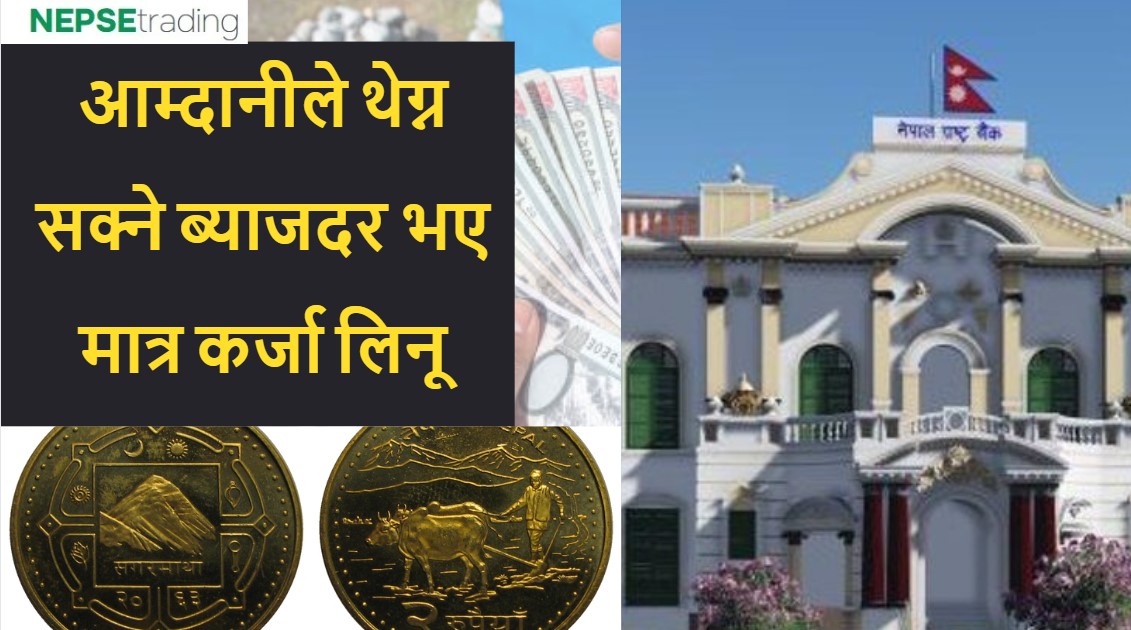
      नेपाल राष्ट्र बैंकले आम्दानीले थेग्ने ब्याजदर भए मात्र कर्जा लिन नेपाल राष्ट्र बैंकले आग्रह गरेको छ । आज भोली आम्दानी भन्दा ज्यादा बढी ऋण लिने र तिर्न नसक्ने परिपाटी बढ्दै गएपछि बैंकले जनतालाई सचेत गराएको हो । बैंकले सूचना नै निकालेर आम्दानी र ब्याजको तालमेल मिलाएर कर्जा निु भनेको छ । नियमित रूपमा निश्चित आम्दानी गर्ने व्यक्तिले मात्र कर्जा लिन बैंकले आग्रह गरेको छ । पछिल्लो समय हचुवाका तालमा आम्दानी नभए पनि जग्गा राखेर कर्जा लिने परिपार्टि भएको केन्द्रीय बैंकको ठहर गरेको छ । कर्जाको विषयमा समेत ज्ञान लिन केन्द्रीय बैंकले भनेको छ । NEPSE trading Nepal Rastra Bank has requested to take loans only if the interest rate is sufficient for the income. Today, the bank has alerted the public as the practice of borrowing more than tomorrow's income and not being able to pay is increasing. The bank has taken out the notice and said to take the loan by matching the income and interest. The bank has requested that only people who have a fixed income on a regular basis should take the loan. Recently, the central bank has determined that Hachuwaka lake has no income, but there is a situation where the land is kept and the loan is taken. The central bank has asked to get knowledge about loans. NEPSE trading NEPSE trading NEPSE trading NEPSE trading

      Dipesh Ghimire ·9 Apr, 2024·1 min read
    • लगानी सम्मेलन गर्ने उचित समय अहिले होइन !
      Economy

      लगानी सम्मेलन गर्ने उचित समय अहिले होइन ! Now is not the right time to hold an investment conference !

      सरकारले लगानी सम्मेलन गर्ने उचित समय होइन । निजी क्षेत्र खुशी छैन । किसानहरु खुशी छैनन् । लघुवित्त,सहकारी, मिटरब्याज पीडित भनिएको छ । किसानहरुले सडकमा दुध फालिएको अवस्था छ । बैंकमा पैसा थुप्रिएको छ । ६ खर्ब बराबरको तरलता छ । बंैकको ब्याजदर १७ प्रतिशतबाट ११ प्रतिशतमा आयो । अबको दुई तीन महिनामा एकल अंकमा आउँछ । ऋण लिन गइरहेका छैनन् । जब मुलुकभित्रका लगानीकर्तालाई विश्वास छैन । विदेशी लगानीकर्ता आएर नेपालका लगानी गर्ने सम्भावना छैन । त्यसमा पनि सरकार समिकरण फेरिएको छ । अन्तर्राष्ट्रिय क्षेत्रमा नेपालको राम्रो सन्देश गएको छैन । केही महिना पहिला उद्योगहरुको विद्युत कटौती भएको छ ।It is not the right time for the government to hold an investment conference. The private sector is not happy. Farmers are not happy. Microfinance, cooperatives, metered interest are said to be victims. Farmers are throwing milk on the road. Money is piled up in the bank. 6 trillion worth of liquidity. The interest rate of the bank came from 17 percent to 11 percent. It will come in single digits in the next two to three months. They are not going to take loans. When investors within the country do not have faith. There is no possibility of foreign investors coming and investing in Nepal. In that too, the government has changed. Nepal's good message has not gone out in the international arena. A few months ago, there was a power cut in industries.

      NEPSE trading ·5 Apr, 2024·2 min read
    • शेयर बजारमा ट्रेडरले हैन इन्भेष्टरले किन्ने बेला आयो : सन्दीपकुमार चौधरी
      Top

      शेयर बजारमा ट्रेडरले हैन इन्भेष्टरले किन्ने बेला आयो : सन्दीपकुमार चौधरी The time has come for investors not traders to buy in the stock market: Sandeep Kumar Chaudhary

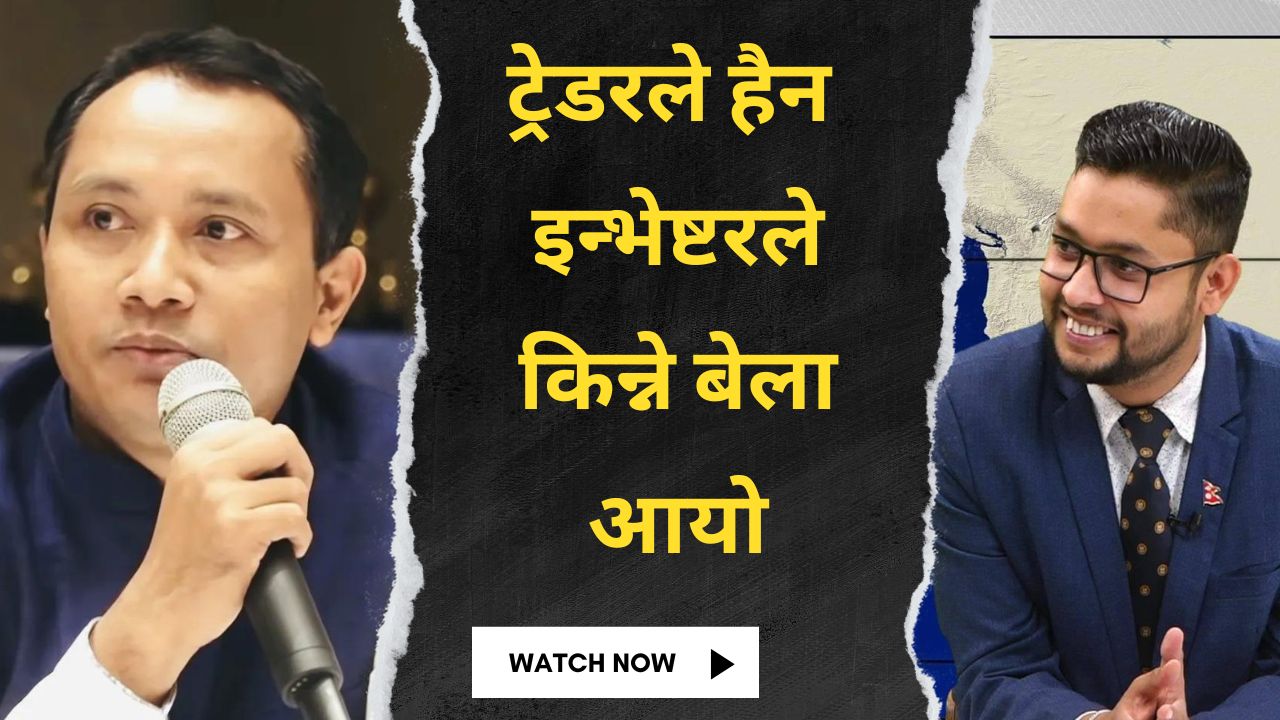
      नेपालको शेयर बजारमा पछिल्लो समय प्राविधिक विश्लेषणलाई आत्मसात् गरेर लगानी गर्नेको संख्या दिन प्रतिदिन बढीरहेको छ । बजार तिब्र उतारचढावमा रहँदा लगानीकर्तालाई अफ्टेरो पर्न सक्छ । त्यसमा सहयोग प्राविधिक चाट हरुले गर्ने गरेको विश्लेषकले दावी गर्ने गरेका छन् । यसै  सन्दर्भमा हाम्रा सहकर्मी दिपेश घिमिरेले शेयर बजारका प्राविधिक विश्लेषक सन्दीपकुमार चौधरीसँग वर्तमान नेपाली शेयर बजारको बारेमा सोधेका छन्  । त्यहि कुराकानीको सार : १. तपाईँको नजरमा नेपाली शेयर बजारमा किन्ने बेला आएको हो ? नेप्सेको अहिलेको अवस्था हेर्दा साइडवेजमा बजार चलेको देखिन्छ । मार्केट १९७० बाट बाउन्स भएको पहिलो पटक हो । यो साइडवेजमा यो भन्दा पहिला घट्दा १८०० र बढ्दा २२०० सम्म जाने गरेको थियो । त्यहि भएर अहिलको बजार अलीक फरक देखेको छु । त्यसको लागी बजारले २२ सयको विन्दु पुरा गरे, नेप्से सुचक माथी जाने र बजारले किन्न अवसर दिएको बुझ्न सकिने थियो । २. फन्डामेन्टल रुपमा बजारको विश्लेषण गर्दा चाहि के पाउनु भएको छ ? दिपेश जि, अहिलेको बजारमा अवसर भने देखिन्छ । किन कि आर्थिक सुचक सकारात्मक हुदै गएका छन् । नयाँ अर्थमन्त्रीसँग लगानीकर्ताको आशा पनि अत्याधिक देखिन्छ, नियामक निकाय समेत सकारात्म देखिन्छन् । त्यसमा पनि धितोपत्र बोर्ड, नेप्से र सीडीएसले अर्थमन्त्रीलाई पूँजीबजार सुधारका उपाय सहितको प्रतिवेदन बुझाएका छन् । त्यहि कारणले पनि बजार प्रति सबै सरोकारवाला निकाय सक्रिय भएको र बजार बढ्छ भन्ने मनोविज्ञान लगानीकर्तामा प्रवाह हुने देखिन्छ । ३. लगानीकर्ताले २२ सय सुचक पुग्ने बेला सम्म कुर्नु पर्ने हो ? त्यो त बच्चा बच्चीलाई समेत थाहा भै सक्यो, २२ सय कट्नु पर्छ भन्ने । नेपालको बजार यती धेरै साइडवेज गयो कि लगानीकर्ता २२ सय कुर्दा कुर्दा दिक्क भै सकेका छन् ।   ४. ठ्याकै भनिदिनुस् । १९७० लााई सपोर्ट मानेर लगानी गर्दा उपयुक्त हुन्छ ? १८ सय देखि २२ सय विन्दुमा ट्रेडरले हैन इन्भेष्टरले त जहिले किने पनि घाटा छैन नी । तर बुलको सुनिश्चितता जव हुन्छ त्यसपछि त जसरी भए पनि बजारमा छिर्नै पर्ने हुन्छ । मेरो पहिले देखिकै भनाई के हो भने बजार वियरिस ट्रेण्डमा छ भन्ने लागे २० प्रतिशत शेयर राखेर निस्कीने र बुल कन्फम भएको आफुलाई लागे ८० प्रतिशत थप शेयर किन्ने । अब ८० प्रतिशतले थप शेयर किन्ने बेला भने अहिले आएको छैन् । ५. अहिले उपसुचक हरुले चाँहि बाइ दिएका छन कि छैनन् ? उपसुचकहरु धेरै अप टे«ण्ड मै छन् । एक महिनाको प्राविधिक चाट हेर्दा अहिले बैंकीङ लगायत केहि सुचक ले मात्र अप टे«ण्ड कन्फम गर्न सकेका छैनन् । तर अधिकांस सुचक जस्तै  फाइनान्स, विकास बैंक, होटल लगायतले अप टे«ण्ड कम्फम गरेको देखिन्छ । तर बुल भने आएको देखिदैन् । ६. बुल भने कहिले कन्फम हुन्छ त उपसुचक को ? बुल त दिपेश जी नेप्से सुचकले कन्फम गर्ने हो । उपसुचक र स्टकले बुल कन्फम गर्ने वित्तीकै बजारमा प्रवेस गर्नु हुदैन ।The number of people investing in Nepal's stock market is increasing day by day by assimilating technical analysis. As the market fluctuates sharply, investors may suffer. Analysts have claimed that technical licks are helping in that. In this context, our colleague Dipesh Ghimire has asked the stock market technical analyst Sandeep Kumar Chaudhary about the current Nepali stock market. The gist of that conversation:   1. Do you think it is time to buy Nepali stock market? Looking at the current situation of NEPSE, it seems that the market is moving sideways. This is the first time the market has bounced since 1970. Before this, it used to go up to 1800 when decreasing and 2200 when increasing. That's why I've seen a recent difference in the current market. For that, the market reached the point of 2200, it could be understood that the NEPSE index went up and the market gave an opportunity to buy. 2. Fundamentally analyzing the market, what have you got? Dipesh ji, there is an opportunity in the current market. Because economic indicators are becoming positive. Investors' hopes for the new finance minister are also high, regulatory bodies are also positive. Also, the Securities Board, NEPSE and CDS have submitted a report to the finance minister with measures to improve the capital market. For the same reason, it seems that the psychology of all concerned bodies are active towards the market and the market will grow. 3. Should the investor wait until the index reaches 2200? Even the child knows that 2200 should be cut. Nepal's market has gone sideways so much that investors are fed up with waiting for 2200. 4. Tell me exactly. Is 1970 suitable for investment? At 1800 to 2200 points, traders, not investors, do not lose any time they buy. But when the bull is sure, then it has to enter the market anyway. What I have always said is that if I think the market is in a bearish trend, I will leave with 20% shares and I will buy 80% more shares if I feel bullish. Now is not the time for 80 percent to buy more shares.   5. Now sub-instructors have really given bye or not? The tips are very up trend. Looking at the technical chart of a month, only some indicators including banking have not been able to confirm the up trend. But most of the indicators like finance, development bank, hotel, etc. seem to be comfortable with the up trend. But the bull does not seem to come. 6. When is the bull confident? Bul Te ​​Dipesh ji Nepse Suchak will confirm. Sub-indicators and stocks should not enter the market as soon as they confirm the bull.

      NEPSE trading·4 Apr, 2024·2 min read
    • दोस्रो त्रैमासमा आर्थिक वृद्धिदरमा सुधार, ४ प्रतिशत पुग्यो
      Economy

      दोस्रो त्रैमासमा आर्थिक वृद्धिदरमा सुधार, ४ प्रतिशत पुग्यो Economic growth improved to 4 percent in the second quarter

      दोस्रो त्रैमासमा आर्थिक वृद्धिदरमा सुधार, ४ प्रतिशत पुग्यो आर्थिक वर्षको दोस्रो त्रैमास अर्थात कात्तिक, मंसिर र पुसमा आर्थिक वृद्धिदरमा सुधार देखिएको छ । राष्ट्रिय तथ्यांक कार्यालयले भनेको छ : दोस्रो त्रैमासमा चार प्रतिशतले आर्थिक वृद्धिदर भयो । गत आर्थिक वर्षको दोस्रो त्रैमासमा आर्थिक वृद्धिदर १ दशमलव १ प्रतिशतले ऋणात्मक थियो भने चालु वर्षको पहिलो त्रैमासमा ३ दशमलव २ प्रतिशतको वृद्धिदर थियो । अर्थतन्त्रमा सबभन्दा ठूलो हिस्सा रहेको व्यापार क्षेत्रको वृद्धिदर कम र उत्पादनमूलक उद्योग क्षेत्रको वृद्धिदर ऋणात्मक भए पनि समग्र वृद्धिदर ४ प्रतिशतको पुग्ने देखिएको तथ्यांक कार्यालयको प्रारम्भिक प्रक्षेपण छ । तथ्यांक कार्यालयले सार्वजनिक गरेको विवरणअनुसार धानलगायत अन्नबाली र अरु कृषि उत्पादनमा भएको वृद्धि तथा पर्यटन आगमनमा भएको वृद्धिसँगै होटल क्षेत्रको कुल मूल्य अभिवृद्धिमा भएको बढोत्तरीले आर्थिक वृद्धिदरमा सुधार ल्याएको हो । पछिल्लो समय आर्थिक क्रियाकलाप बढ्दै गए पनि औद्योगिक र व्यापार क्षेत्रको वृद्धि भने सन्तोषजनक नरहेको कार्यालयले सार्वजनिक गरेको तथ्यांकले देखाएको छ ।Improvement in the economic growth rate has been seen in the second quarter of the financial year i.e. October, November and January. The National Statistics Office said: In the second quarter, the economic growth rate was four percent. In the second quarter of the last financial year, the economic growth rate was negative by 1.1 percent, while in the first quarter of the current year, the growth rate was 3.2 percent. Although the growth rate of the business sector, which is the largest part of the economy, is low and the growth rate of the manufacturing industry sector is negative, the overall growth rate is seen to reach 4 percent, according to the preliminary forecast of the data office. According to the information released by the Statistics Office, the increase in the total value added of the hotel sector along with the increase in rice and other agricultural products and the increase in tourism arrivals has improved the economic growth rate. Although the economic activity has been increasing recently, the growth of the industrial and business sector is not satisfactory, according to the data released by the office. 000

      NEPSE trading ·3 Apr, 2024·1 min read
    • अग्राधिकार शेयर र डिवेञ्चर भनेको के हो ?
      Economy

      अग्राधिकार शेयर र डिवेञ्चर भनेको के हो ? What are preference shares and debentures ?

      अग्राधिकार शेयर कम्पनीले आर्जन गरेको मुनाफाबाट तोकिएको दरमा लाभांश वितरण गर्ने गरी जारी गरिएको शेयरलाई अग्राधिकार शेयर भनिन्छ । कम्पनीले वितरण गर्ने लाभांश सम्बन्धमा साधारण शेयरवालाको भन्दा अग्र अधिकार हुने हुनाले नै यसलाई अग्राधिकार शेयर भनिएको हो । यस्तै कम्पनी खारेजीमा जाने भएमा पनि आफ्नो लगानी र सञ्चित लाभांश प्राप्त गर्ने सम्बन्धमा अग्राधिकार शेयरवालाहरुको अग्राधिकार हुन्छ । यसै कारण अग्राधिकार शेयरमा गरिने लगानीलाई तुलनात्मकरुपमा कम जोखिमपूर्ण मानिएको छ । तर सम्बन्धित कम्पनीले कुनै वर्ष नाफा आर्जन गर्न नसकेमा अग्राधिकार शेयरवालाहरुले तोकिएको दरमा लाभांश प्राप्त गर्न सक्दैनन् । अर्कोतर्फ कम्पनीले जतिसुकै नाफा आर्जन गरेता पनि अग्राधिकार शेयरवालाहरुले तोकिएको दरभन्दा बढी लाभांश प्राप्त गर्न सक्दैनन् । यस प्रकार अग्राधिकार शेयरमा गरिने लगानीमा जोखिम पनि कम र प्रतिफल पनि कम हुन्छ । अग्राधिकार शेयरवालाहरुले आफ्नो हकहितसँग सम्बन्धित विषयमा छलफल हुने अवस्थामा वाहेक अन्य अवस्थामा कम्पनीको वार्षिक साधारण सभामा भाग लिन पाउँदैनन् । अग्राधिकार शेयरलाई मिश्रित प्रकृतिको धितोपत्र को रुपमा लिइन्छ किनभने यसमा साधारण शेयर तथा डिवेञ्चर दुवैको विशेषता पाइन्छ । अग्राधिकार शेयरहरु सञ्चयशील (कुनै वर्ष कम्पनी नोक्सानमा गई लाभांश भुक्तानी गर्न नसक्दा लाभांश सञ्चय भै आगामी वर्षको नाफाबाट भुक्तानी गर्नुपर्ने) वा असञ्चयशील, विमोच्य (निश्चित समयावधि पछि फिर्ता भुक्तानी दिइने) वा अविमोच्य र परिवर्तनशील (निश्चित समयावधि पछि साधारण शेयरमा परिवर्तन गर्न सकिने) वा अपरिवर्तनशील प्रकृतिका हुन्छन् । डिवेञ्चर तोकिएको दर र समयमा साँवा तथा ब्याज भुक्तानी गर्ने शर्तमा जारी गरिएको धितोपत्रलाई डिवेञ्चर भनिन्छ । यसको अंकित मूल्य साधारणतः रु. १००० हुन्छ । डिवेञ्चरवालाहरुले आफूले गरेको लगानी रकममा तोकिएको दरमा वार्षिक वा अर्धवार्षिकरुपमा ब्याज प्राप्त गर्दछन् । साधारण शेयर र अग्राधिकार शेयरमा लाभांश दिनु अघि नै डिवेञ्चरवालाहरुले ब्याज प्राप्त गर्दछन् । संगठित संस्था नोक्सानीमा गए पनि डिवेञ्चरवालाहरुले तोकिएको ब्याज प्राप्त गर्न कुनै वाधा पर्दैन । डिवेञ्चरवाला र संगठित संस्थाको सम्बन्ध साहु र ऋणीको जस्तो हुन्छ । कथंकदाचित कम्पनीले तोकिएको दर र समयमा ब्याज प्रदान गर्न असमर्थ भएमा डिवेञ्चरवालाहरुले कम्पनी खारेजीमा पठाउन कार्यवाही चालाउन सक्छन् । डिवेञ्चरमा प्रायः जोखिम लिन नचाहने लगानीकर्ताहरु (च्ष्कप ब्खभचतभच) लगानी गर्न रुचाउँदछन् । डिवेञ्चरवालाहरुलाई कम्पनीको वार्षिक साधारण सभामा सहभागी हुने अवसर र मतदान अधिकार प्राप्त हुँदैन । डिवेञ्चरहरु सुरक्षित (कम्पनीको सम्पत्ति जमानत वा बन्धक राखी निष्काशन हुने) वा असुरक्षित, विमोच्य (निश्चित समयावधि पछि फिर्ता भुक्तानी दिइने) वा अविमोच्य र परिवर्तनशिल (निश्चित समयावधि पछि साधारण शेयरमा परिवर्तन गर्न सकिने) वा अपरिवर्तनशील प्रकृतिका हुन्छन् । Preference shares Shares issued by the company to distribute dividends at a fixed rate from the profits earned by the company are called preference shares. It is called preference share because it has priority rights over ordinary shareholders in relation to dividends distributed by the company. Similarly, even if the company goes into liquidation, the priority shareholders have the priority to receive their investment and accumulated dividends. For this reason, investment in preference shares is considered relatively less risky. But if the concerned company does not earn profit in any year, the preference shareholders cannot get the dividend at the specified rate. On the other hand, no matter how much profit the company earns, the preference shareholders cannot receive more than the specified rate of dividend. In this way, the risk of investing in preference shares is low and the return is also low. Preference shareholders are not allowed to participate in the annual general meeting of the company, except when discussing matters related to their rights and interests. Preference shares are considered as securities of mixed nature because they have features of both ordinary shares and debentures. Preference shares can be cumulative (if the company has made a loss in a year and cannot pay dividends, then dividends must be saved and paid out of the next year's profits) or non-cumulative, redeemable (paid back after a certain period of time) or non-redeemable and convertible (can be converted into ordinary shares after a certain period of time) or non-convertible. They are natural.   Debenture A debenture is a bond issued on the condition of paying principal and interest at a specified rate and time. Its face value is usually Rs. 1000 is. Debenture holders receive interest on their investment amount annually or semi-annually at a fixed rate. Debenture holders receive interest on ordinary shares and preference shares before dividends are paid. Even if the organization is in loss, the debenture holders will not have any problem in getting the prescribed interest. The relationship between the venturer and the organization is like that of a creditor and a debtor. If the company is unable to provide interest at the specified rate and time, the debenture holders can initiate proceedings to send the company into liquidation. Investors who do not want to take risk often prefer to invest in debentures. The debenture holders do not get the opportunity to participate in the company's annual general meeting and do not have voting rights. Debentures are secured (issued against the assets of the company as security or pledge) or unsecured, redeemable (repaid after a fixed period of time) or irredeemable and convertible (convertible into ordinary shares after a fixed period) or non-convertible in nature.

      NEPSE trading ·3 Apr, 2024·2 min read
    • वारेन्ट र ब्लू चिप शेयर भनेको के हो ?
      Economy

      वारेन्ट र ब्लू चिप शेयर भनेको के हो ? What are warrants and blue chip shares ?

      वारेन्ट कुनै निश्चित समयमा तोकिएको संख्या र मूल्यमा साधारण शेयर खरीद गर्न सकिने गरी जारी गरिएको धितोपत्र औजारलाई वारेन्ट भनिन्छ । अर्को शब्दमा भविष्यमा कम्पनीको साधारण शेयर खरीद गर्न लगानीकर्ताहरुलाई दिइएको अधिकारनै वारेन्ट हो । सामान्यतः बण्डको निष्काशनलाई लगानीकर्ताहरु समक्ष आकर्षक गराउन बण्डसँगै वारेन्ट पनि दिइन्छ । भविष्यमा गएर वारेन्ट प्रयोग गरी साधारण शेयर लिने वा नलिने विकल्प सम्बन्धमा निर्णय लिन लगानीकर्ता स्वतन्त्र हुन्छ । वारेन्ट प्रयोग गर्दा यो साधारण शेयरमा परिवर्तन हुन्छ तर बण्ड भने जस्ताको तस्तै रहन्छ । वारेन्ट निष्काशन गर्दा भविष्यमा साधारण शेयर खरीद गर्नका लागि भुक्तानी गर्नुपर्ने मूल्य, वारेन्ट प्रयोग गरी साधारण शेयर प्राप्त गर्न सकिने अनुपात र वारेन्ट प्रयोग गरिसक्नुपर्ने समयावधि जस्ता कुराहरु खुलाइएको हुन्छ । ब्लू चिप शेयर संगठित संस्थाको कुशल ब्यवस्थापन गरी लामो समयदेखि नाफा कमाउँदै र लगानीकर्ताहरुलाइ लाभांश प्रदान गर्दै आउनुको साथै लगानीकर्ताहरुप्रतिको जवाफदेहिताप्रति सजग हुदै लगानीकर्ताहरुको विश्वास समेत जित्न सफल हुने संस्थाको शेयरलाई ब्लू चिप शेयर भनिन्छ । यस प्रकारका शेयरहरुको प्रायः बढी मूल्य कायम भै रहेको हुन्छ भने लाभांश मध्यमस्तरको प्राप्त भैरहेको हुन्छ ।।A security instrument issued to purchase common shares at a specified number and price at a specified time is called a warrant. In other words, a warrant is the right given to investors to buy common shares of the company in the future. Generally, warrants are also given along with bonds to make bond issuance attractive to investors. Blue chip shares are the shares of organizations that have been earning profits for a long time through the efficient management of organized organizations and have been providing dividends to investors. These types of shares usually have a high value, while the dividend yield is moderate.

      NEPSE trading ·3 Apr, 2024·1 min read
    • बुक बिल्डिङ भन्नाले के बुझिन्छ र कसरी गरिन्छ ?
      Economy

      बुक बिल्डिङ भन्नाले के बुझिन्छ र कसरी गरिन्छ ? What is meant by book building and how is it done?

      बुक बिल्डिङ विधि एक प्रक्रिया हो जसमा निष्काशनकर्ताले, अन्डरराइटर्सको सहायतामा, प्रारम्भिक सार्वजनिक निष्काशनको लागि प्रस्ताव तयार गर्छन्। बुक बिल्डिङको लागि प्रक्रिया निम्नलिखित चरणमा छ: निष्काशनकर्ताले, अन्डरराइटर्सको सहायतामा, निष्काशनको लागि प्रारम्भिक प्रोस्पेक्टस तयार गर्छ। यस प्रोस्पेक्टसलाई योग्य संस्थागत लगानीकर्ताहरूसँग साझा गरिन्छ र उनीहरूको सहभागितामा चर्चा गर्दछ, र तत्कालिन प्रतिक्रिया अनुसार, निष्काशन र बिक्री प्रबन्धकको सहभागितामा, बोर्डबाट अनुमति प्राप्त गरिन्छ। उनले उपायको मौजूदा मूल्य, आशय मूल्य, र मूल्यांकन विधिलाई सहित प्रारम्भिक प्रोस्पेक्टसमा सुझाव माग्दछन्। योग्य संस्थागत लगानीकर्ताहरूबाट प्राप्त आशय मूल्यको आधारमा, निष्काशनकर्ताले, अन्डरराइटर्सको सहायतामा, धितोपत्रको बिक्री मूल्य सीमा निर्धारण गर्छन्, र त्यही मूल्य सीमा भित्र धितोपत्र बेच्छन्। यदि कुनै योग्य संस्थागत लगानीकर्ताले प्रस्तावित मूल्यको लागि आवेदन गर्न सक्दैन भने, उनीहरूले बोलकबोल प्रक्रियामा सहभागी हुन सक्दैनन् जस्तै कुनै एक योग्य संस्थागत लगानीकर्ताले प्रस्तावित धितोपत्रको २० प्रतिशत भन्दा बढी धितोपत्रको लागि बोलकबोल प्रस्ताव पेश गर्ने। यसैगरी, धितोपत्र बेच्दा, संगठित संस्थाले ४० प्रतिशत धितोपत्र योग्य संस्थागत लगानीकर्तालाई र ६० प्रतिशतलाई सामान्य जनतालाई बिक्री गर्नुपर्दछ।Book building is a process where the issuer, with the help of underwriters, prepares an initial prospectus for the primary public offering. The process for book building involves the following steps: The issuer, with the assistance of underwriters, prepares an initial prospectus for the offering. This prospectus is then shared with eligible institutional investors to solicit their participation. The organized institution conducts discussions with them, and, based on the feedback, conducts a program of discussion with the participation of the issuance and sales manager and obtains approval from the board. They negotiate with eligible institutional investors about the minimum purchase quantity desired by them, the issue price, and the method of evaluation, including the method of valuation. Based on the issue price derived from the basis of the value presented by eligible institutional investors, the issuer, with the help of underwriters, determines the selling price limit of the debenture and sells the debenture within the price limit. If any eligible institutional investor is not able to apply for the issue price presented, they will not be able to participate in the bidding process unless one eligible institutional investor submits a bid for more than 20% of the issued debentures than applied for. Thus, when selling debentures, the organized institution must issue 40% of the debentures to eligible institutional investors and 60% to the general public.

      NEPSE trading ·2 Apr, 2024·1 min read
    • साधारण, अग्राधिकार र बोनस सेयर के हो ? ऋणपत्रमा कसरी कारोबार गर्ने ?
      Education

      साधारण, अग्राधिकार र बोनस सेयर के हो ? ऋणपत्रमा कसरी कारोबार गर्ने ? What are ordinary, preference and bonus shares? How to deal in bonds?

      साधारण सेयरहरू कम्पनीमा स्वामित्वको प्रतिनिधित्व गर्दछन् र नाफा प्राथमिकता धराएर प्रतिफल वितरण गरिसकेपछि जारी गरिन्छन्। लगानीकर्ताहरूलाई कम्पनीमा आफ्नो प्रतिष्ठानको अनुसार लाभ प्राप्त हुन्छ। प्राथमिकता शेयरहरूले निश्चित लाभहरू लाभान्तर प्राप्त गर्ने हक राख्छन्, तर यसको बाहेक साधारण सेयरधारकहरूलाई सबै अधिकारहरू हुँदैन। बोनस शेयरहरू थप शेयरहरू हुन् जब कम्पनीले बचत लाभलाई पुँजीमा परिवर्तन गर्छ। डिबेन्चरहरू निश्चित मितिमा निश्चित लाभ प्रदान गर्ने ऋण उपकरणहरू हुन् ।Common shares represent ownership in a company and are issued after distributing profits to preference shareholders. Investors receive dividends based on their proportionate investment in the company. Preference shares entitle holders to specific benefits, but they may not have all the rights of common shareholders. Bonus shares are additional shares given to existing shareholders when a company converts retained earnings into capital. Debentures are debt instruments that provide fixed returns or returns at a specified rate on a specified date.

      NEPSE trading ·2 Apr, 2024·1 min read